

Make fluffy, flavorful pancakes from scratch with this easy recipe! Learn simple techniques for amazing flavor and perfect texture, turning your breakfast into a delight with basic pantry staples.
Ever wonder why some homemade pancakes taste a little flat, while others are bursting with delicious flavor and have that perfect fluffy texture? It’s a common kitchen puzzle for many home cooks, and it can feel a bit daunting to get right.
But don’t worry, making truly amazing pancakes from scratch is simpler than you think! With a few key tips and a straightforward recipe, you’ll be whipping up golden-brown delights that will impress everyone.
Today, we’re going to walk through everything you need to know, from the best ingredients to the simplest steps for achieving pancake perfection. Get ready to discover the secret to amazing flavor, right in your own kitchen!
The Secret to Amazing Pancake Flavor: It’s All About the Basics
The “best from scratch pancake recipe” isn’t about fancy ingredients or complicated techniques. It’s about understanding how simple, fresh ingredients come together to create something truly special. We’ll focus on a classic recipe that relies on good quality staples you likely already have.
The goal is to build layers of flavor and achieve a light, airy texture that’s satisfying without being heavy. We’ll cover why each ingredient matters and how to handle them to get the most out of them.
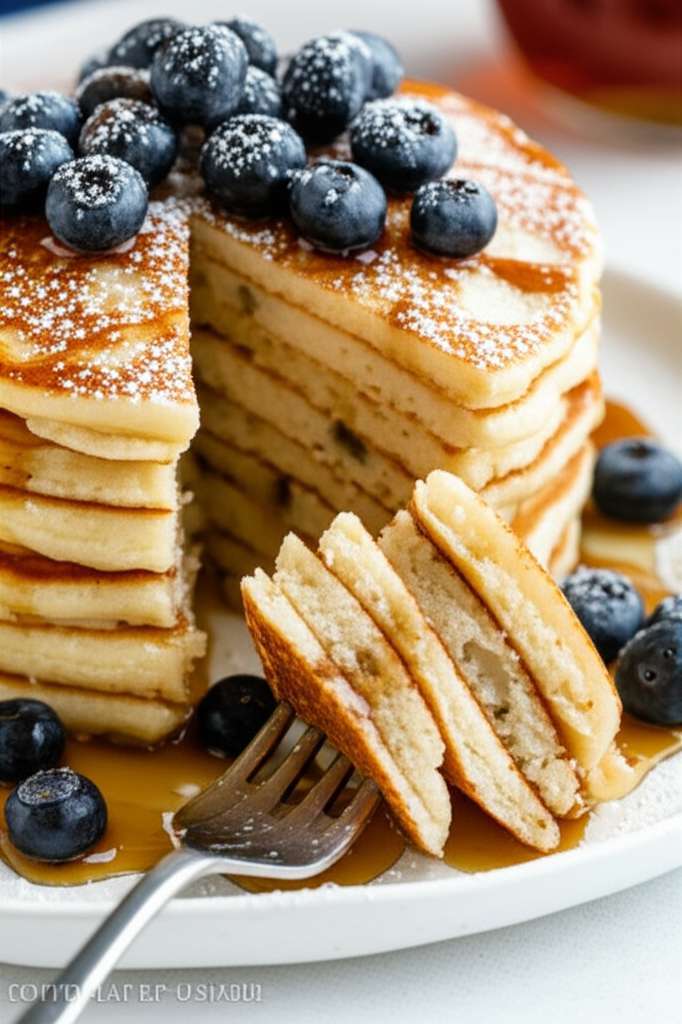
Your Essential Shopping List: Ingredients for Amazing Pancakes
Gathering your ingredients is the first step to pancake success! This list focuses on everyday items that, when combined correctly, create that sought-after amazing flavor.
Dry Ingredients: The Foundation of Flavor
- All-Purpose Flour: About 1.5 cups. This is the base of our pancakes, providing structure.
- Granulated Sugar: 2 tablespoons. Just a touch of sweetness to balance the flavors.
- Baking Powder: 2 teaspoons. This is our leavening agent, crucial for fluffy pancakes!
- Baking Soda: 1/2 teaspoon. Works with the baking powder for an extra lift.
- Salt: 1/2 teaspoon. Salt enhances all the other flavors, making them pop.
Wet Ingredients: Bringing it All Together
- Milk: 1.25 cups. Whole milk often gives the richest flavor, but any milk works.
- Egg: 1 large. Eggs bind the ingredients and add richness.
- Melted Butter: 3 tablespoons, plus more for greasing the pan. Butter adds incredible flavor and helps create tender pancakes.
- Vanilla Extract: 1 teaspoon. A little vanilla goes a long way to boost that “homemade” taste.
Tools of the Trade: Your Pancake Toolkit
You don’t need a lot of special equipment to make great pancakes. These are the basics that will help you get the job done easily and efficiently.
- Large Mixing Bowl: For combining your dry ingredients.
- Medium Mixing Bowl: For whisking your wet ingredients.
- Whisk: Essential for smoothly combining ingredients and avoiding lumps.
- Measuring Cups and Spoons: For accurate ingredient measurements.
- Spatula: For folding ingredients and flipping pancakes.
- Griddle or Large Non-Stick Skillet: Your cooking surface! A flat, even surface is key.
- Ladle or 1/4-Cup Measuring Cup: For portioning batter onto the griddle.
Step-by-Step: Crafting Your Best From Scratch Pancakes
Now for the fun part! Follow these simple steps, and you’ll be enjoying delicious, fluffy pancakes in no time. We’ll focus on gentle mixing to ensure a light texture.
Step 1: Combine the Dry Ingredients
In your large mixing bowl, add the flour, sugar, baking powder, baking soda, and salt. Whisk them together really well. This ensures that the leavening agents and salt are evenly distributed, which is super important for consistent fluffiness and flavor in every bite.
Step 2: Whisk the Wet Ingredients
In your medium mixing bowl, crack the egg and whisk it lightly. Then, add the milk, melted butter, and vanilla extract. Whisk these together until they are just combined. Don’t overmix; we want everything to be blended without creating too much air just yet.
Step 3: Gently Combine Wet and Dry
Now, pour the wet ingredients into the bowl with the dry ingredients. Using your whisk or spatula, gently mix everything together until it’s just combined. It’s okay if there are still a few small lumps! Overmixing is the enemy of fluffy pancakes, so stop as soon as you don’t see any dry flour streaks.
A few lumps are perfectly fine and actually a good sign that you haven’t overdeveloped the gluten, which can lead to tough pancakes. A slightly lumpy batter promises a tender result.
Step 4: Heat Your Griddle
Place your griddle or skillet over medium heat. You want it to be hot enough to cook the pancakes through but not so hot that they burn on the outside before the inside is cooked. A good test is to flick a drop of water onto the surface; it should sizzle and evaporate quickly.
Lightly grease the hot surface with a little butter or cooking spray. This prevents sticking and adds a lovely golden-brown color and a hint of buttery flavor to your pancakes.
Step 5: Cook the First Side
Using a ladle or a 1/4-cup measuring cup, pour the batter onto the hot griddle. Leave some space between each pancake so they don’t run into each other. Cook for about 2–3 minutes on the first side.
You’ll know it’s time to flip when you see bubbles forming on the surface of the pancake and the edges start to look set and slightly dry. This is your cue that the first side is perfectly golden and ready for its flip.
Step 6: Flip and Cook the Second Side
Carefully slide your spatula under a pancake and flip it over. Cook the second side for another 1–2 minutes, or until it’s also golden brown and cooked through. The pancake should feel slightly firm to the touch and spring back gently when pressed.
Repeat this process with the remaining batter, adding a little more butter to the griddle between batches if needed. You’ll quickly get into a rhythm, and soon your griddle will be piled high with delicious pancakes.
Tips for Extra Amazing Flavor and Texture
Want to elevate your “best from scratch pancake recipe” even further? Here are a few expert tips that make a world of difference.
- Don’t Overmix: We’ve said it before, but it bears repeating! Lumps are good. Overmixing develops gluten, making pancakes tough and chewy instead of light and fluffy.
- Let the Batter Rest: If you have a few extra minutes, letting the batter rest for 5–10 minutes can help the baking powder start to work its magic and hydrate the flour for a tenderer pancake.
- Room Temperature Ingredients: Using room temperature milk and eggs helps them incorporate more smoothly into the batter, leading to a more uniform texture.
- The Right Heat: Medium heat is your friend. Too high, and you get burnt outsides with raw insides. Too low, and they become pale and flat.
- Butter for Flavor: While oil works, melted butter adds a richness and depth of flavor that you just can’t beat for that “amazing flavor” profile.
Ingredient Substitutions: Flexibility in the Kitchen
Life happens, and sometimes you might be missing an ingredient or have dietary needs. Here are some common substitutions that can still yield delicious results.
| Ingredient | Substitution | Notes |
|---|---|---|
| Milk | Plant-based milk (almond, soy, oat) | May slightly alter richness and flavor, but generally works well. |
| Butter | Vegetable oil or melted coconut oil | Will result in a slightly different flavor profile, less rich than butter. |
| Egg | Flax egg (1 tbsp flaxseed meal + 3 tbsp water, let sit 5 mins) or applesauce (1/4 cup per egg) | Best for binding; may affect texture slightly. |
| Granulated Sugar | Brown sugar or maple syrup | Will add a slightly different flavor and moisture. Adjust liquid if using syrup. |
Griddle Temperature Guide
Getting your griddle temperature just right is key to evenly cooked, perfectly golden pancakes. Here’s a simple guide:
| Temperature Setting | Expected Result | Visual Clues |
|---|---|---|
| Low Heat (around 275-300°F / 135-150°C) | Pancakes cook very slowly, may become pale and dense. | Water droplets evaporate slowly or not at all. |
| Medium-Low Heat (around 300-325°F / 150-160°C) | Pancakes take longer, can be slightly pale. | Water droplets sizzle gently. |
| Medium Heat (around 325-350°F / 160-175°C) | Ideal for golden-brown, fluffy pancakes. | Water droplets sizzle and evaporate quickly. |
| Medium-High Heat (around 350-375°F / 175-190°C) | Pancakes cook quickly, may brown too fast on the outside. | Water droplets disappear almost instantly with aggressive sizzling. |
| High Heat (above 375°F / 190°C) | Pancakes burn on the outside before cooking through. | Severe, rapid sizzling; smoke may appear. |
For precise temperature control, an infrared thermometer can be a great tool, but the water drop test is a reliable method for home cooks. Ensure your cooking surface is evenly heated before you start pouring batter.
Frequently Asked Questions About From Scratch Pancakes
Here are answers to some common questions beginner cooks have about making pancakes from scratch.
- Why are my pancakes tough or chewy?
- This is almost always due to overmixing the batter. Once the wet and dry ingredients are combined, mix just until there are no dry streaks of flour left. A few lumps are perfectly fine and lead to tender pancakes!
- How do I get my pancakes golden brown and not pale?
- This comes down to griddle temperature and fat. Make sure your griddle is heated to medium heat and is properly greased with butter or oil. The butter not only helps prevent sticking but also contributes to that lovely golden color and delicious flavor.
- Can I make the batter ahead of time?
- It’s best to make the batter right before you plan to cook. Baking powder is activated by moisture and heat, so letting the batter sit for too long can cause it to lose its leavening power, resulting in flatter pancakes. If you must prepare it early, mix the dry and wet ingredients separately and combine them just before cooking.
- What are some easy ways to add more flavor?
- Beyond vanilla extract, try adding a pinch of cinnamon to your dry ingredients, or a little lemon or orange zest to the wet ingredients. A tiny bit of nutmeg can also be lovely. For a richer flavor, using buttermilk instead of regular milk is a classic trick.
- My pancakes stick to the griddle. What am I doing wrong?
- This usually means your griddle isn’t hot enough, or it needs more grease. Ensure the griddle is preheated to medium heat, and don’t be shy with the butter or oil. Re-greasing lightly between batches also helps a lot.
- How do I know when to flip my pancake?
- Look for bubbles! When the surface of the pancake is covered in small bubbles, and the edges appear set and slightly dry, it’s usually the perfect time to flip. Gently lift an edge with your spatula to check for a golden-brown color underneath.
Conclusion: Your New Favorite Breakfast Awaits
See? Making the “best from scratch pancake recipe” is absolutely achievable, even for beginners! By understanding the role of each ingredient and focusing on gentle mixing and the right cooking temperature, you’ve unlocked the secret to incredibly flavorful and wonderfully fluffy pancakes.
This recipe is your foundation for countless delicious breakfasts. Don’t be afraid to experiment with toppings, add-ins, or even try variations like buttermilk pancakes. The kitchen is your canvas, and with this simple recipe, you’re ready to create something amazing.
Happy cooking, and enjoy every delicious bite!