
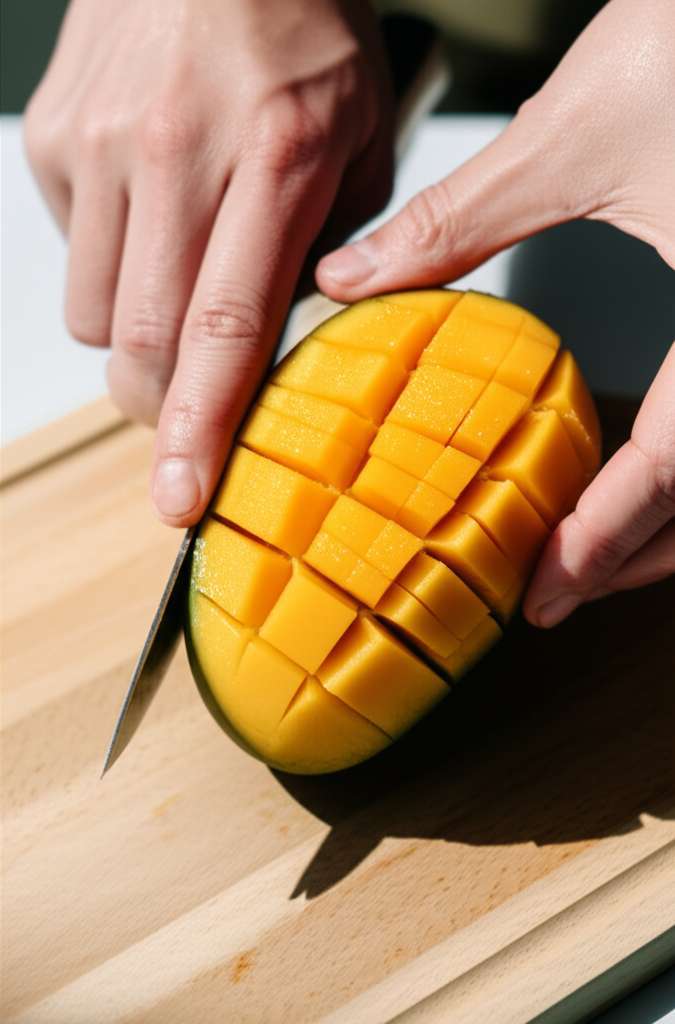
Cut a mango perfectly, mess-free, in minutes with this easy hack! Learn the simple technique to slice and dice your tropical fruit like a pro, avoiding sticky fingers and wasted pulp.
Tired of Mango Mess? Let’s Fix That!
Ah, the mango. That juicy, sweet tropical delight! But let’s be honest, cutting one can feel like wrestling an octopus. The slippery skin, the giant pit, and the inevitable sticky juice everywhere can make even experienced cooks a little hesitant. It’s totally normal to feel a bit intimidated when you’re just starting out, or even if you’ve tried before and ended up with more mango on your shirt than on your plate.
Don’t worry! This guide is here to turn that sweet fruit into a delightful snack, not a kitchen disaster. We’ll walk through a super simple method that’s beginner-friendly, safe, and surprisingly clean. By the end, you’ll know exactly which tools to use, how to handle that slippery fruit with confidence, and how to get the most delicious mango flesh without all the fuss. Get ready to enjoy mangoes like never before!
Your Mango-Cutting Toolkit
Before we dive into the fun part, let’s gather what you’ll need. Having the right tools makes all the difference, and for this hack, you probably already have them!
- A ripe, but still firm, mango
- A sharp chef’s knife or a good paring knife
- A cutting board
- A small bowl (optional, for the seeds)
Why a Sharp Knife? A sharp knife is actually safer than a dull one. It cuts through the mango’s skin and flesh easily, requiring less force. This means less chance of the knife slipping. If your knives have been sitting in a drawer for a while, giving them a quick sharpen can make a world of difference. For food safety tips, check out the USDA Food Safety guidelines.

The Easiest Way to Cut a Mango: Step-by-Step
This method is all about working with the mango’s shape, not against it. It’s often called the “hedgehog” or “hedgehog” method, and it’s a game-changer for avoiding mess.
- Wash Your Mango: Just like any fruit, give your mango a good rinse under cool water. Gently rub its skin to remove any dirt or residue. Pat it dry with a clean towel. This step is important for cleanliness and also helps to get a better grip on the fruit.
- Find the Pit: Mangoes have a large, flat, oval-shaped pit in the center. Hold the mango upright and imagine it has two flat sides and two thinner sides. The pit runs lengthwise, from top to bottom, in the center.
- Slice Off the “Cheeks”: Hold the mango steady on your cutting board. Position your sharp knife parallel to the pit, about a quarter-inch away from the center. Slice downwards, cutting through the flesh to remove one of the larger sides, called a “cheek.” The goal here is to cut along the pit without hitting it. Repeat on the other side to get the second cheek.
- Score the Flesh: Take one mango cheek and place it cut-side down on your cutting board. Now, use your knife to make vertical cuts into the flesh, stopping just before you reach the skin. Imagine drawing a grid on the flesh. Make parallel cuts in one direction, then turn the cheek and make perpendicular cuts. This creates cubes.

- Scoop or Invert: Once you’ve scored the flesh, you have two options. You can gently push the skin from the underside to invert the cheek, making the cubes pop out like a little hedgehog. Then, carefully slice the cubes off the skin with your knife. Alternatively, you can use a spoon to scoop the cubes directly out of the skin.
- Handle the Ends: You’ll be left with the two flat sides where the pit was, and the top and bottom ends. You can carefully trim away the remaining flesh from these sides with your knife, cutting around the pit. Be mindful that this area can be a bit trickier and may be more fibrous. You can also slice these parts and eat them as you go, or add them to smoothies!
Common Beginner Mistake: Trying to slice the mango without first locating the pit. This often leads to hitting the pit and making uneven cuts.
Quick Fix: Always feel for the pit first and orient your knife parallel to it. It’s better to take an extra second to find the pit than to make a messy cut.
Pro Tips for Mango Mastery
Here are a few extra nuggets of wisdom to make your mango-cutting experience even smoother:
- Choose Wisely: Select mangoes that are ripe but still firm to the touch. Overly soft mangoes will be mushy and harder to cut cleanly. A ripe mango will have a sweet, fruity aroma.
- Don’t Fear the Pit: The pit is large and in the center. Think of it like a flat obstacle course. Cutting “cheeks” away from it is the key.
- Embrace the Peel: If you’re really struggling with slicing, you can peel the mango first like an apple using your knife. Then, you can slice the flesh away from the pit. This can be a bit messier but is an option if knife skills are a concern.
- Knife Comfort: Use a knife that feels comfortable and balanced in your hand. A knife that feels awkward will be harder to control.
- Clean as You Go: Keep a damp cloth or paper towel handy. Wiping your knife and hands between cuts can help maintain a good grip and prevent juice from spreading.
- Seed Saving: The mango pit can be saved and washed. If you’re feeling adventurous, you can try to grow your own mango tree!
Knife Options for Mango Slicing
When it comes to cutting a mango, the tool you use can impact your ease and safety. Here’s a quick look at common knife choices:
| Knife Type | Blade Length | Best For | Pros | Cons |
|---|---|---|---|---|
| Chef’s Knife | 8-10 inches | All-purpose cutting, including mango cheeks. | Versatile, stable, good control for larger fruits. | Can be a bit large for smaller hands or very small mangoes. |
| Paring Knife | 3-4 inches | Detail work, trimming flesh from the pit, peeling. | Easy to maneuver, great for precise cuts. | May be too small for slicing large mango cheeks efficiently. |
| Serrated Knife | 6-8 inches | Cutting through tough skins (like tomatoes or citrus). | Can grip slippery skins well. | Can tear softer flesh if not careful; less precise than a chef’s knife. |
For the “hedgehog” method, a sharp chef’s knife is generally the best all-around choice because it provides good control and leverage for slicing the cheeks. A paring knife is excellent for trimming any leftover flesh from the pit area.
Frequently Asked Questions About Cutting Mangoes
Is there a special tool for cutting mangoes?
Yes, there are mango splitters available. These tools are designed to cut around the pit and slice the mango into halves. However, a sharp knife and this simple hack work just as well and don’t require purchasing an extra gadget!
My mango is very ripe and soft. How can I cut it without it turning to mush?
For very ripe mangoes, chilling it in the refrigerator for about 30 minutes can firm up the flesh slightly, making it easier to cut. You can also switch to a spoon to scoop out the flesh after scoring, which is more forgiving with softer fruits.
How do I avoid cutting myself when cutting a mango?
Always use a sharp knife, keep your fingers curled away from the blade (the “claw” grip), and ensure your cutting board is stable. Cut on a flat surface, and never try to cut a mango while holding it in the air. If the mango is slippery, pat it dry thoroughly before starting.
What’s the best way to store cut mango?
Store cut mango in an airtight container in the refrigerator. It’s best to eat it within 2-3 days for the freshest flavor and texture. You can also freeze mango chunks for smoothies or other frozen treats.
My mango is fibrous. How do I deal with that?
Some mango varieties are naturally more fibrous. The “hedgehog” method helps, but if you encounter tough fibers, you can carefully trim them away with your paring knife after cubing, or simply enjoy them as part of the experience! Blending fibrous mango into a smoothie can also mask the texture.
Can I cut a mango if I don’t have a cutting board?
While a cutting board is highly recommended for safety and stability, in a pinch, you could try cutting it over a large plate or even directly over a bowl if you’re very careful. However, a stable surface is crucial for safe knife work. For more on kitchen safety, refer to the CDC’s kitchen safety guidelines.
You’ve Got This!
See? Cutting a mango doesn’t have to be a sticky ordeal. By following this simple “hedgehog” hack, you can easily get to all that sweet, delicious flesh without making a huge mess. Remember, the key is a sharp knife, understanding where the pit is, and letting the knife do the work. Every time you practice this, you’ll get a little more comfortable and a little faster. So grab a mango, take a deep breath, and enjoy the process!