
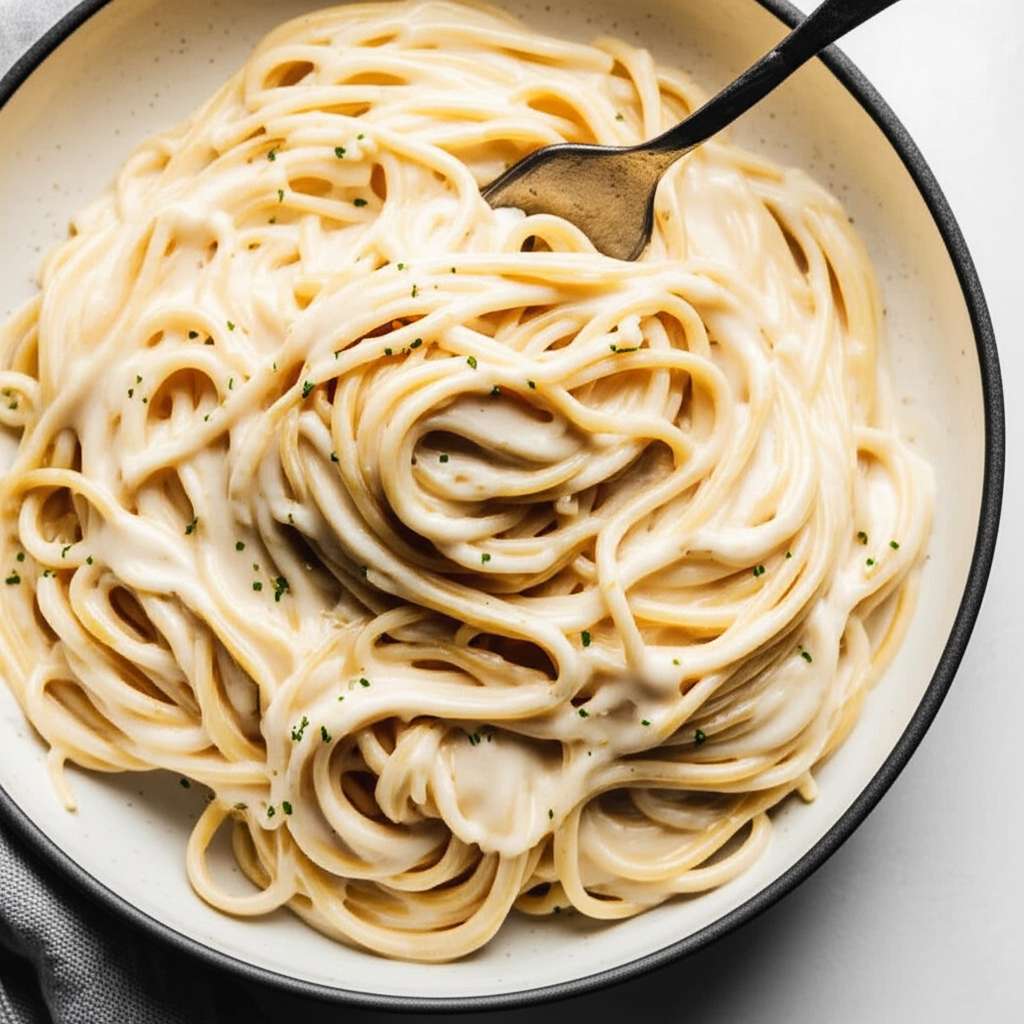
Learn how to make perfect white sauce for pasta with this easy, beginner-friendly recipe. Achieve a creamy, delicious sauce every time!
Mastering White Sauce: Your Secret to Creamy Pasta Perfection
Making white sauce, often called béchamel, can seem a little daunting at first. You might worry about lumps or getting the consistency just right. It’s totally understandable! Many beginner cooks find this basic sauce a bit mysterious.
But don’t you worry! This guide is designed to be your friendly kitchen companion. We’ll break down every single step, from gathering your simple ingredients to achieving a silky-smooth sauce. You’ll learn about the tools you need, common pitfalls to avoid, and how to troubleshoot if something goes a little sideways. By the end, you’ll have the confidence to whip up this delicious sauce whenever the pasta craving strikes!
What is White Sauce (Béchamel) Anyway?
White sauce is one of the foundational “mother sauces” in cooking. It’s a simple mixture of butter, flour, and milk, cooked together to create a thick, creamy base. Think of it as a blank canvas for flavor! You can add cheese to make it a Mornay sauce for mac and cheese, or herbs and spices to complement any pasta dish.

The magic happens when butter and flour are cooked together to form a “roux.” This roux then thickens the milk as it heats. Getting the right ratio of butter, flour, and milk is key to a smooth, lump-free sauce. We’ll focus on that precise balance to ensure your success.
Gather Your Simple Ingredients
The beauty of white sauce is its simplicity. You probably already have most of these items in your kitchen pantry!
- Butter: Unsalted butter is best so you can control the salt level.
- All-Purpose Flour: This is your thickening agent.
- Milk: Whole milk gives the richest flavor and creamiest texture, but 2% or even skim milk will work.
- Salt: Just a pinch to enhance the flavors.
- Black Pepper: Freshly ground pepper adds a nice subtle bite.
- Optional Flavor Boosters: A pinch of nutmeg, a bay leaf steeped in the milk, or a sprinkle of garlic powder can add wonderful depth.
Essential Tools for White Sauce Success
You don’t need fancy equipment for this! Just a few common kitchen tools will do the trick.
- Medium Saucepan: A heavy-bottomed saucepan helps distribute heat evenly, preventing scorching.
- Whisk: This is your best friend for making a smooth sauce. A balloon whisk is ideal for incorporating air and breaking up lumps.
- Measuring Cups and Spoons: Accuracy is important for getting the right consistency.
- Wooden Spoon or Heatproof Spatula: For stirring and scraping down the sides of the pan.
- Sieve or Fine-Mesh Strainer (Optional): For an extra-smooth sauce, you can strain it at the end.
Step-by-Step: How To Make White Sauce For Pasta
Let’s get cooking! Follow these simple steps, and you’ll be enjoying creamy pasta in no time.

-
Melt the Butter
Place your medium saucepan over medium-low heat. Add the butter and let it melt completely. Swirl the pan gently to coat the bottom. You want the butter to be melted and slightly bubbly, but not browned.
-
Whisk in the Flour
Once the butter is melted, sprinkle the flour evenly over the melted butter. Immediately start whisking. Keep whisking constantly for about 1 to 2 minutes. This is your roux! You’re cooking out the raw flour taste and creating a smooth paste. It should look like wet sand and smell slightly nutty.
-
Gradually Add Milk
Now, slowly begin adding the milk, about a quarter cup at a time. Whisk continuously after each addition. It might look thick and clumpy at first, but keep whisking! As you add more milk, the mixture will start to smooth out. This gradual addition is crucial for preventing lumps. Warm milk incorporates more easily, but cold milk works too if you whisk diligently.
-
Simmer and Thicken
Once all the milk is incorporated and the sauce is smooth, increase the heat slightly to medium. Continue to whisk or stir constantly. Let the sauce simmer gently for about 5 to 8 minutes. You’ll see it start to thicken. It should coat the back of a spoon nicely. Don’t let it boil vigorously; a gentle simmer is perfect.
-
Season Your Sauce
Remove the saucepan from the heat. Stir in your salt and freshly ground black pepper. Taste and adjust the seasoning as needed. If you’re adding any optional ingredients like nutmeg or garlic powder, stir them in now. Your white sauce is ready to be tossed with your favorite pasta!
Troubleshooting Common White Sauce Mistakes
Even with the best intentions, sometimes things don’t go perfectly. Here are a few common issues and how to fix them:
- Lumps: This is the most common worry! If you see lumps, don’t panic. Continue whisking vigorously. If they persist, pour the sauce through a fine-mesh sieve. For future batches, ensure you add milk very gradually and whisk constantly.
- Too Thick: If your sauce is too thick, simply whisk in a little more milk, a tablespoon at a time, until you reach your desired consistency.
- Too Thin: If your sauce is too thin, you can let it simmer gently for a few more minutes, whisking often, to allow more liquid to evaporate. Alternatively, you can make a “slurry” by mixing a teaspoon of flour or cornstarch with a tablespoon of cold water, then whisking that into the simmering sauce until thickened.
- Scorched Bottom: If you notice a burnt smell or taste, the sauce might have scorched. Try to carefully pour the sauce into a clean pan, leaving the burnt bits behind. Stir in a bit of fresh milk to help mask the scorched flavor. Using a heavy-bottomed pan and medium-low heat helps prevent this.
Pro Tips for Béchamel Brilliance
Want to elevate your white sauce game? Here are a few tips from the pros:
- Use Warm Milk: While not strictly necessary, using warmed milk (gently heated on the stovetop or in the microwave) helps it incorporate more smoothly into the roux, reducing the risk of lumps.
- Don’t Rush the Roux: Cooking the flour and butter together for at least a minute or two (the roux) is essential. It cooks out the raw flour taste and creates a more stable thickening agent.
- Constant Whisking is Key: Especially in the initial stages of adding milk and during simmering, constant whisking prevents lumps from forming and ensures a silky-smooth texture.
- Low and Slow is Best: Cook your sauce over medium-low to medium heat. High heat can cause the milk to scorch or the sauce to separate.
- Taste and Adjust: Always taste your sauce before serving. A pinch of salt, a grind of pepper, or even a tiny grating of nutmeg can make a big difference.
- Flavor Variations: Once you’ve mastered the basic white sauce, experiment! Add shredded cheese for a Mornay sauce, sautéed garlic for a garlic béchamel, or finely chopped herbs for added freshness.
Understanding Your Tools: A Quick Guide to Saucepans
Choosing the right pot can make a big difference in your cooking. For sauces like béchamel, a good saucepan is essential for even heating and preventing scorching. Here’s a quick look at common saucepan types and their uses:
| Saucepan Type | Key Features | Best For | Considerations |
|---|---|---|---|
| Heavy-Bottomed Stainless Steel | Thick base, durable, non-reactive, excellent heat distribution. | Sauces, simmering, boiling, reducing liquids. Ideal for béchamel. | Can be heavier; may stick if heat is too high. |
| Non-stick | Coated interior for easy release, easy cleanup. | Delicate sauces, eggs, pancakes. | Coating can scratch; not ideal for high-heat searing or metal utensils. Less durable for béchamel where constant whisking is needed. |
| Copper Core | Copper layer for superior heat conductivity and control. | Precise temperature control for delicate sauces and candy making. | Expensive; requires specific cleaning; can react with acidic foods if not lined. |
| Enameled Cast Iron | Durable, retains heat well, non-reactive. | Simmering stews, soups, sauces. | Very heavy; requires careful handling to avoid chipping. |
For making white sauce, a heavy-bottomed stainless steel saucepan is your best bet. Its even heat distribution helps prevent hot spots that can scorch your delicate sauce, and its durability means it can handle all the whisking you’ll do.
Frequently Asked Questions About White Sauce
Why is my white sauce lumpy?
Lumps usually happen when the milk isn’t added gradually enough or when the flour isn’t whisked into the butter smoothly to form the roux. Ensure you add the milk a little at a time, whisking constantly. If lumps appear, a good whisking or straining through a sieve can usually fix it.
My sauce is too thick, what can I do?
If your white sauce is thicker than you’d like, simply whisk in a little more milk, a tablespoon at a time, until you achieve the desired consistency. Heat it gently while whisking to ensure it blends in smoothly.
My sauce is too thin, how do I fix it?
A thin sauce can be thickened by simmering it for a few more minutes over low heat, allowing some of the liquid to evaporate. Alternatively, you can make a slurry (1 tsp flour or cornstarch mixed with 1 tbsp cold water) and whisk it into the simmering sauce until thickened.
How should I store leftover white sauce?
Let the sauce cool completely before storing it in an airtight container in the refrigerator. It’s best used within 2-3 days. You can reheat it gently on the stovetop over low heat, whisking occasionally. You may need to add a splash of milk to loosen it up.
Can I add cheese to white sauce?
Absolutely! Adding shredded cheese (like cheddar, Gruyère, or Parmesan) to white sauce is a classic. Stir the cheese in after removing the sauce from the heat, whisking until it’s melted and smooth. This transforms it into a delicious Mornay sauce!
Can I use something other than milk?
For a classic béchamel, milk is traditional. However, you can experiment with unsweetened plant-based milks like almond or soy milk for a dairy-free version. The texture and flavor might vary slightly. Water is not recommended as it won’t provide the creamy richness.
What does “medium-low heat” mean for sauces?
This refers to a gentle heat setting on your stove. It’s hot enough to cook the ingredients and thicken the sauce but not so hot that it will scorch or boil rapidly. Think of it as a gentle simmer, where small bubbles occasionally rise to the surface. Always watch your sauce and adjust the heat as needed.
Enjoy Your Creamy Creation!
You’ve done it! You’ve learned how to make a foundational white sauce that’s smooth, creamy, and absolutely delicious. Remember, cooking is a journey, and every dish you make builds your confidence and skill. Don’t worry if your first attempt isn’t “perfect” – each time you practice, you’ll get even better.
This simple sauce is your ticket to countless pasta dishes, gratins, and so much more. So go ahead, toss it with your favorite pasta, add some veggies, and savor the wonderful meal you’ve created with your own two hands!