
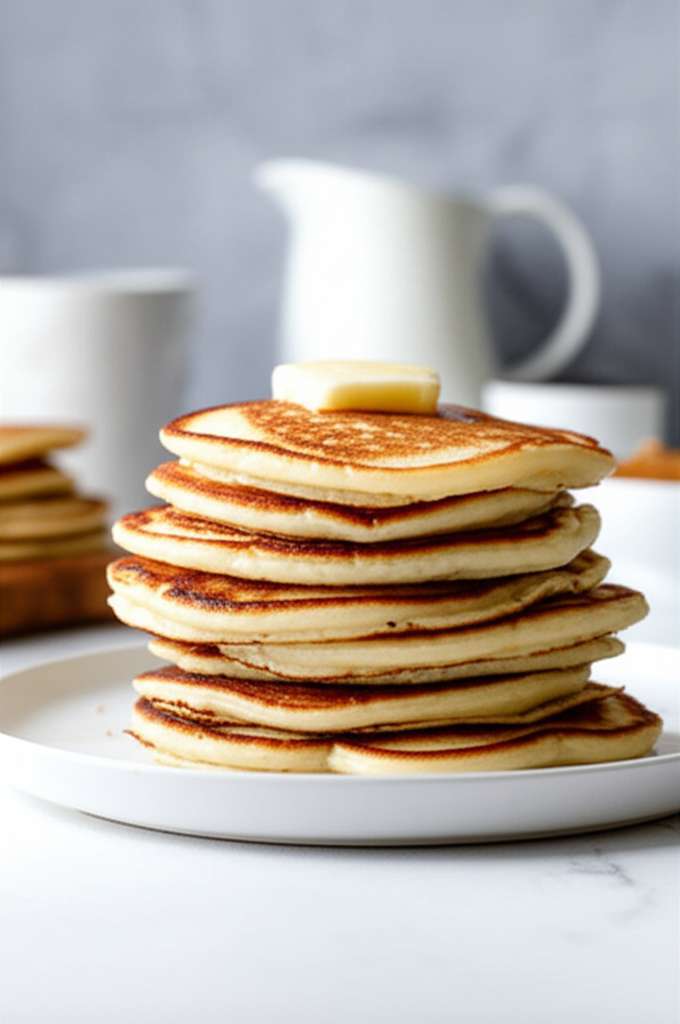
A recipe ensures consistently fluffy and delicious pancakes every single time, transforming your breakfast from hit-or-miss to reliably amazing. Following precise measurements and instructions is the secret to achieving perfect texture and flavor, batch after batch.
Ever stared at a pancake recipe, wondering if you’re doing it right? It’s a common feeling for many home cooks! Sometimes pancakes turn out flat and sad, other times they’re tough and rubbery. It can be confusing to figure out why some batches are amazing while others are just… okay.
Don’t worry, I’m here to help make your pancake mornings consistently wonderful. We’ll break down exactly how following a recipe leads to those “amazing results” you’re craving. Get ready to master the art of the perfect pancake, one delicious batch at a time!
Why Following a Recipe Matters for Perfect Pancakes
A well-written recipe is like a trusted guide, especially when you’re learning. It takes the guesswork out of cooking, providing clear instructions and exact measurements. For something as seemingly simple as pancakes, a recipe ensures all the ingredients work together perfectly.
Think of it this way: baking and cooking are a bit like science. When you mix flour, eggs, milk, and leavening agents, their proportions matter. A recipe has been tested to find that sweet spot, ensuring your pancakes rise beautifully and have a delightful texture.

The Essential Ingredients for Amazing Pancakes
Gathering your ingredients is the first crucial step. Having everything ready before you start mixing makes the whole process smoother and helps prevent mistakes. For a classic batch of amazing pancakes, you’ll typically need:
- All-purpose flour: This is the base of your pancake structure.
- Sugar: For a touch of sweetness and to help with browning.
- Baking powder: The magic ingredient that makes pancakes fluffy!
- Salt: Balances the sweetness and enhances overall flavor.
- Eggs: Bind the ingredients and add richness.
- Milk: Provides moisture and helps create a smooth batter.
- Melted butter or oil: Adds tenderness and flavor, and prevents sticking.
Sometimes, recipes might call for vanilla extract for extra flavor, or even a pinch of cinnamon. Always check your specific recipe for any unique additions!
Essential Tools for Your Pancake Success
You don’t need a lot of fancy equipment to make great pancakes. Most of these items are probably already in your kitchen!
- Large mixing bowl: For combining your dry and wet ingredients.
- Whisk: To thoroughly mix the batter and get rid of lumps.
- Measuring cups and spoons: Precision is key for consistent results.
- Spatula: For gently folding ingredients and flipping pancakes.
- Griddle or non-stick frying pan: Your cooking surface.
- Ladle or 1/4 cup measuring cup: For portioning out the batter.
Step-by-Step: Crafting Your Perfect Pancake Batch
Now, let’s get to the fun part! Following these steps, as outlined in most good recipes, will lead you to pancake perfection.
Step 1: Combine the Dry Ingredients
In your large mixing bowl, whisk together the flour, sugar, baking powder, and salt. This ensures the leavening agent (baking powder) is evenly distributed, which is vital for fluffy pancakes. Properly mixing the dry ingredients prevents pockets of baking powder, which can lead to uneven rising or a bitter taste.

Step 2: Combine the Wet Ingredients
In a separate, smaller bowl or a large measuring cup, whisk together the eggs, milk, and melted butter (or oil). Make sure the butter is melted but not hot, so it doesn’t cook the eggs. This step ensures all the wet components are well incorporated before meeting the dry ingredients.
Step 3: Combine Wet and Dry Ingredients
Pour the wet ingredients into the bowl with the dry ingredients. Now, here’s a tip that’s often in recipes: mix until just combined. A few small lumps are perfectly fine and actually desirable! Overmixing develops the gluten in the flour, which can result in tough, chewy pancakes instead of light and tender ones.
Gently fold the ingredients together with your whisk or spatula. Stop mixing as soon as you don’t see streaks of dry flour. It’s better to undermix slightly than to overmix. This gentle handling is key to that amazing, airy texture.
Step 4: Preheat Your Cooking Surface
Place your griddle or non-stick pan over medium heat. A good recipe will often specify the heat level. Too high, and your pancakes will burn on the outside before cooking through. Too low, and they won’t get that lovely golden-brown color and might spread too much.
You can test if it’s ready by flicking a few drops of water onto the surface. If they sizzle and evaporate quickly, it’s likely ready. Some recipes suggest lightly greasing the pan with butter or oil, while others rely on the non-stick surface. Follow your recipe’s guidance here.
Step 5: Cook the Pancakes
Using a ladle or a 1/4 cup measuring cup, pour batter onto the hot griddle. Don’t overcrowd the pan; leave enough space between each pancake so they have room to spread and you can easily flip them. A recipe guides you on portion size for consistent results.
Cook for about 2–3 minutes on the first side, or until you see bubbles forming on the surface and the edges look set. This is your cue that it’s time to flip. A recipe’s timing is a helpful guide, but watching for these visual cues is also important.
Step 6: Flip and Finish Cooking
Carefully slide your spatula under a pancake and flip it over. Cook for another 1–2 minutes on the second side, until golden brown and cooked through. You can gently press the center with your finger; it should spring back slightly. If it feels too soft or gooey, it needs a little more time.
Repeat this process with the remaining batter. Keep the cooked pancakes warm on a plate in a low oven (around 200°F or 93°C) while you finish the batch, if needed.
Tips for Ingredient Substitutions and Variations
While following a recipe is key, sometimes you might need to make a small substitution or want to try a variation. Knowing how ingredients behave can help you adapt with confidence. Here are a few common swaps that often work well:
| Original Ingredient | Possible Substitution | Notes |
|---|---|---|
| Milk | Buttermilk, Almond Milk, Soy Milk, Oat Milk | Buttermilk adds a tangy flavor and extra tenderness. Non-dairy milks work well but may slightly alter texture or flavor. |
| Butter | Vegetable Oil, Coconut Oil, Canola Oil | These are usually 1:1 substitutions. Melted coconut oil can add a subtle tropical flavor. |
| All-Purpose Flour | Whole Wheat Flour (partial substitution), Gluten-Free Flour Blend | Replacing all AP flour with whole wheat can make pancakes denser. GF blends vary; follow package directions or recipe notes. |
For example, if you’re out of milk, using buttermilk can actually make your pancakes even more tender and flavorful! If you want to add fruit, like blueberries, gently fold them into the batter just before cooking. Recipes often give guidance on how to incorporate add-ins without affecting the batter’s consistency too much.
The Science Behind Fluffy Pancakes: Leavening Agents
Have you ever wondered what makes pancakes so light and airy? It’s all thanks to leavening agents, and baking powder is the star player in most pancake recipes. Baking powder is a chemical leavener that creates carbon dioxide gas when it reacts with liquid and heat.
When the batter hits the hot griddle, the baking powder starts its magic. It produces tiny bubbles of gas that get trapped within the batter. As these bubbles expand, they push the batter upwards, creating that wonderful fluffy texture we love. The recipe’s measurement for baking powder is crucial; too little, and your pancakes will be flat. Too much, and they might have a metallic taste or rise too quickly and then collapse.
For more information on food safety and ingredient handling, you can always refer to resources like the FoodSafety.gov website, which offers comprehensive guidelines for home cooks.
Achieving the Perfect Golden Brown Color
That beautiful golden-brown hue on pancakes isn’t just about looks; it’s also an indicator of proper cooking. The sugar in the batter undergoes caramelization and the Maillard reaction when exposed to heat, creating that appealing color and depth of flavor. A recipe’s recommended cooking temperature is your best friend here.
Cooking at medium heat ensures the sugars brown gently without burning. If your pan is too hot, the outside will darken rapidly while the inside remains raw. Conversely, if the heat is too low, the browning process will be slow, and your pancakes might lose moisture and become dry before they get a nice color.
Understanding Batter Consistency
The consistency of your pancake batter is a direct result of the ingredient ratios in the recipe and how you mix them. A good pancake batter should be thick but pourable, with a few small lumps. It shouldn’t be as thin as crepe batter, nor should it be as stiff as cookie dough.
If your batter seems too thick, you can add a tablespoon or two more milk until it reaches the right consistency. If it’s too thin, a tablespoon of flour can help thicken it up. However, it’s always best to start with the recipe’s measurements and mix as little as possible, as mentioned earlier. The less you work the batter, the better your chances of light, fluffy pancakes.
Keeping Pancakes Warm
Making a big batch of pancakes can be a challenge if you want them all to be served hot. Fortunately, there are easy ways to keep them warm while you finish cooking the rest. The most common method is to place cooked pancakes on a baking sheet in a preheated oven set to a low temperature, typically around 200-250°F (93-121°C).
You can also layer them on a plate and loosely tent it with foil. This allows steam to escape slightly, preventing them from becoming soggy. Some people even use a warming drawer if their oven has one. Following this tip from a recipe ensures everyone at the table gets a warm, delicious pancake.
Frequently Asked Questions About Pancake Recipes
Q1: Why are my pancakes flat and dense?
Flat pancakes are usually a sign of a few things: not enough leavening agent (baking powder), expired baking powder, or overmixing the batter. Overmixing develops gluten, making the pancakes tough and flat. Always ensure your baking powder is fresh and try to mix the batter only until just combined.
Q2: My pancakes are sticking to the pan. What am I doing wrong?
This can happen if the pan isn’t hot enough, if you haven’t used enough fat (butter or oil), or if your non-stick pan is worn out. Make sure your griddle or pan is properly preheated over medium heat and is lightly greased if your recipe calls for it. Don’t be afraid to add a little more butter or oil if needed.
Q3: How can I make my pancakes taste more flavorful?
A good recipe already includes salt and sugar for balanced flavor. For extra taste, try adding a teaspoon of vanilla extract to the wet ingredients, or a pinch of cinnamon or nutmeg to the dry ingredients. Using buttermilk instead of regular milk can also add a lovely tang.
Q4: Can I make pancake batter ahead of time?
It’s generally best to make pancake batter just before cooking. While some recipes might suggest resting the batter for a few minutes, making it too far in advance can cause the baking powder to lose its potency. If you must make it ahead, store it in the refrigerator and be prepared for potentially less fluffy pancakes.
Q5: What is the best heat setting for cooking pancakes?
Medium heat is usually the sweet spot. It allows the pancakes to cook through evenly without burning the exterior. If you see your pancakes browning too quickly, turn the heat down slightly. If they’re not browning at all and just seem to be cooking slowly, the heat might be too low.
Q6: My pancakes are cooked on the outside but gooey in the middle. How do I fix this?
This typically means the heat was too high. The outside cooked and browned very quickly, but the inside didn’t have enough time to cook through. Try reducing your heat to medium-low and giving them a bit more time on each side. Ensure you’re using the correct batter-to-pan ratio as per your recipe.
Conclusion: Enjoy Your Perfectly Crafted Pancakes!
See? Making amazing pancakes every single batch is totally achievable! By understanding the role of each ingredient and following the simple steps laid out in a good recipe, you’re setting yourself up for breakfast success. It’s all about the right proportions, gentle mixing, and a little patience with your cooking temperature.
Don’t be afraid to try it! Grab your apron, gather your ingredients, and follow that recipe. You’ll be amazed at how consistently delicious your pancakes can be. Happy cooking, and enjoy every fluffy, golden bite!