

Began Pancake Recipe: Amazing & Easy
This beginner pancake recipe is your ultimate guide to fluffy, delicious pancakes from scratch. We’ll break down every step, making it incredibly easy for anyone to master the art of homemade pancakes, ensuring a perfect breakfast every time.
Ever stared at a pancake recipe and felt a little lost? You’re not alone! Making perfect pancakes from scratch can seem tricky, but it doesn’t have to be. We’ll guide you through each simple step, turning a potentially confusing task into a fun and rewarding kitchen adventure. Get ready to impress yourself and your loved ones with amazing, homemade pancakes.
Why This Beginner Pancake Recipe Works Wonders
Pancakes are a breakfast classic for a reason! They’re comforting, customizable, and surprisingly simple to make once you know a few basic tricks. This recipe is designed with absolute beginners in mind, focusing on common ingredients you likely already have in your pantry. We’ll explain why each step is important, so you don’t just follow instructions, you understand them.
This recipe focuses on creating light and fluffy pancakes without any fancy equipment or techniques. We’ll cover everything from mixing the batter to getting that perfect golden-brown color. By the end, you’ll feel confident making pancakes anytime the craving strikes.
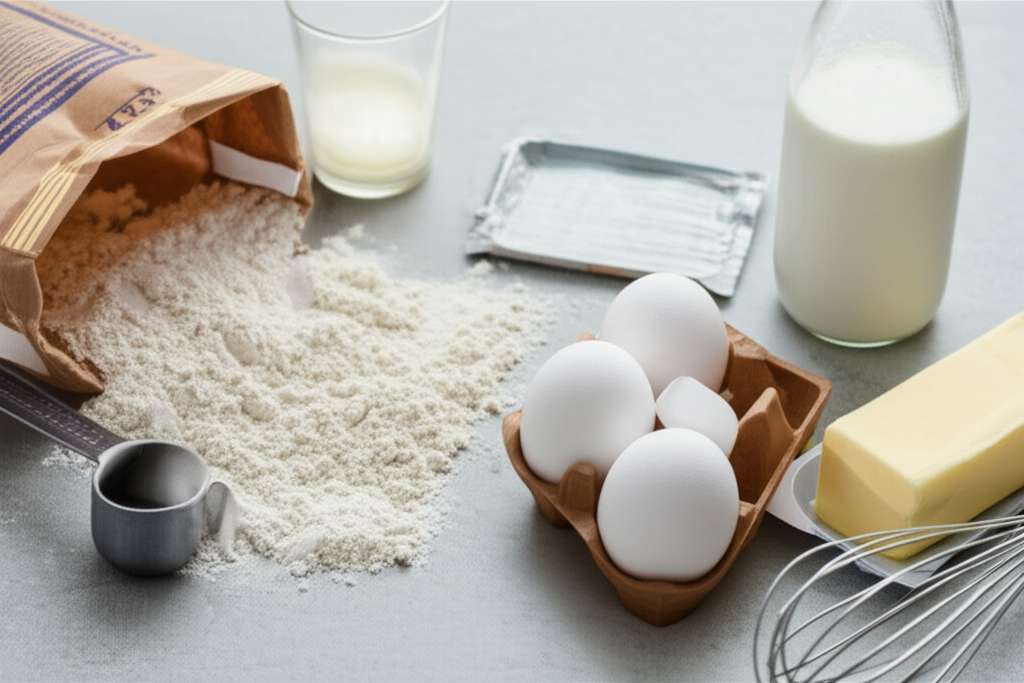
What You’ll Need: Your Pancake Toolkit
Gathering your ingredients and tools beforehand is the secret to a stress-free cooking experience. Having everything ready means you can move smoothly through the recipe without any last-minute dashes to the store. It’s all about making the process as enjoyable as the final result!
Pancake Ingredients: The Essentials
Here’s a list of what you’ll need to make a wonderful batch of pancakes. These are common pantry staples, so you might already have them on hand!
1 ½ cups all-purpose flour
3 ½ teaspoons baking powder
1 teaspoon salt
1 tablespoon white sugar
1 ¼ cups milk
1 egg
3 tablespoons butter, melted
Essential Pancake Tools
Don’t worry if you don’t have a professional kitchen setup! These basic tools are all you need to whip up a fantastic batch of pancakes.
Large mixing bowl
Whisk
Measuring cups and spoons
Small bowl (for melting butter)
Spatula
Griddle or large non-stick frying pan
Ladle or ¼ cup measuring cup for pouring batter
Step-by-Step: Crafting Your Perfect Pancakes
Now, let’s get cooking! Follow these simple steps, and you’ll be enjoying delicious, homemade pancakes in no time. Remember, the key is to not overmix the batter, and to be patient as they cook.
Step 1: Combine the Dry Ingredients
In your large mixing bowl, whisk together the flour, baking powder, salt, and sugar. This step ensures that all the dry ingredients are evenly distributed. Evenly distributed leavening agents, like baking powder, are crucial for fluffy pancakes.
Step 2: Mix the Wet Ingredients
In a separate small bowl or directly into the dry ingredients, add the milk and the egg. Whisk them together until just combined. This prevents the egg from cooking when it hits the hot pan later and ensures it’s well incorporated.
Step 3: Gently Combine Wet and Dry
Pour the wet ingredients into the bowl with the dry ingredients. Add the melted butter at this stage as well. Stir everything together with your whisk or a fork until just combined. A few lumps are perfectly okay! Overmixing develops the gluten in the flour, which can lead to tough, flat pancakes. We want tender, fluffy ones!
Step 4: Let the Batter Rest (Optional but Recommended!)
Allow the batter to rest for about 5–10 minutes. This short break lets the flour absorb the liquid and the baking powder start to work its magic. It helps create a lighter, fluffier pancake. While you wait, you can preheat your griddle.
Step 5: Preheat Your Griddle or Pan
Heat your griddle or non-stick frying pan over medium heat. You can test if it’s ready by flicking a few drops of water onto the surface; they should sizzle and evaporate quickly. Lightly grease the surface with a little butter or cooking spray.
Step 6: Pour the Batter
Using a ladle or a ¼ cup measuring cup, pour the batter onto the hot griddle. Aim for about ¼ cup of batter per pancake. Don’t overcrowd the pan; leave enough space between each pancake so you can easily flip them.
Step 7: Cook the First Side
Cook for about 2–3 minutes, or until you see bubbles forming on the surface of the pancake and the edges look set. This is your cue that it’s time to flip. Resist the urge to peek too early!
Step 8: Flip and Cook the Second Side
Gently slide your spatula under the pancake and flip it over. Cook for another 1–2 minutes, or until golden brown and cooked through. The second side usually cooks a bit faster.
Step 9: Serve and Enjoy!
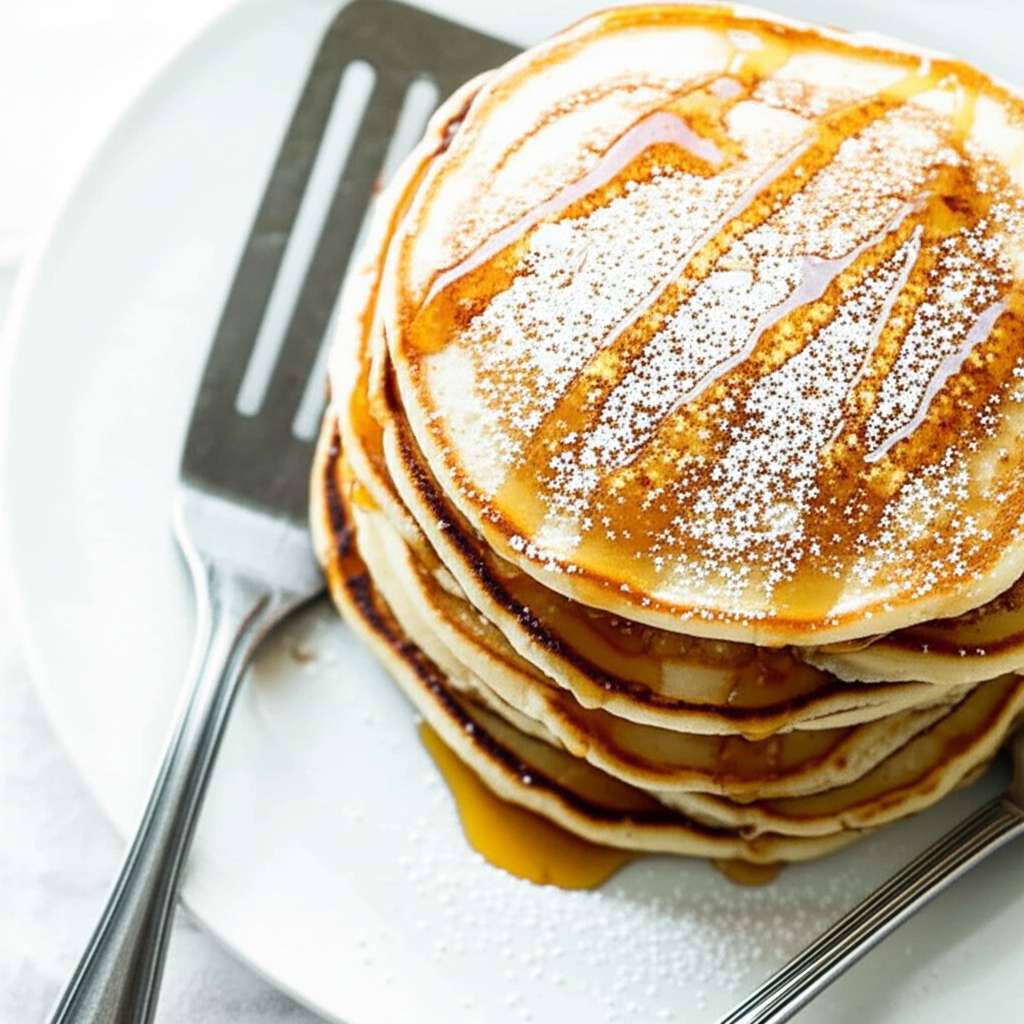
Remove the pancakes from the griddle and serve immediately. Add your favorite toppings like butter, syrup, fresh fruit, or whipped cream. You can keep cooked pancakes warm in a low oven (around 200°F or 90°C) on a baking sheet while you cook the rest of the batch.
Tips for Pancake Perfection
Even simple recipes can have little secrets to make them even better. Here are a few tips to elevate your pancake game from good to absolutely amazing!
Don’t Overmix: Seriously, this is the biggest tip! A few lumps in your batter are a good thing. Overmixing makes pancakes tough.
Medium Heat is Key: Too high heat will burn the outside before the inside cooks. Too low, and they won’t get golden brown. Medium heat is your sweet spot.
Know When to Flip: Look for those bubbles! When they pop and stay open, it’s time for the flip.
Keep Them Warm: If you’re making a big batch, place cooked pancakes on a baking sheet in a preheated oven at 200°F (90°C). This keeps them warm without overcooking.
Fresh Baking Powder: Ensure your baking powder is fresh for the best lift. You can test it by adding a teaspoon to a little hot water; it should bubble vigorously.
Ingredient Variations and Substitutions
Once you’ve mastered the basic recipe, feel free to experiment! Pancakes are wonderfully versatile. Here are a few ideas for simple swaps and additions.
| Ingredient | Substitution / Variation | Notes |
| :—————- | :—————————————————– | :—————————————————————————————————————————————————————————————————————————- |
| All-Purpose Flour | Whole Wheat Flour | Use a 1:1 ratio, but you might need a splash more milk as whole wheat flour can be denser. Pancakes might be slightly heavier. |
| Milk | Buttermilk | Adds a lovely tang and extra tenderness. Use a 1:1 ratio. |
| Milk | Almond Milk / Soy Milk / Oat Milk | Use a 1:1 ratio for a dairy-free option. Ensure it’s unsweetened if you’re controlling the sugar content. |
| Egg | Flax Egg (1 tbsp flax meal + 3 tbsp water, let sit) | For an egg-free vegan option. Mix and let it gel for about 5 minutes before adding to the batter. |
| Butter | Vegetable Oil / Coconut Oil | Use a 1:1 ratio for melted fat. Coconut oil will add a subtle flavor. |
| Sugar | Honey / Maple Syrup | Use slightly less if using liquid sweeteners, as they can affect batter consistency. Adjust to your sweetness preference. |
| Add-ins | Blueberries, chocolate chips, banana slices | Gently fold into the batter after combining wet and dry ingredients, just before cooking. Don’t overmix! |
Understanding Pancake Science: Why It Matters
Ever wonder why a recipe calls for specific ingredients or techniques? Understanding the “why” can make you a more confident cook. For pancakes, it all comes down to creating a delicate balance that results in that perfect fluffy texture.
The Role of Baking Powder
Baking powder is a chemical leavening agent. When it gets wet and then heated, it releases carbon dioxide gas. These tiny gas bubbles get trapped in the batter’s gluten structure, causing the pancake to puff up and become light and airy. This is why using fresh baking powder is so important, and why we whisk it into the dry ingredients first.
The Importance of Not Overmixing
Flour contains proteins that form gluten when mixed with liquid. While gluten is essential for bread structure, too much gluten in pancakes makes them tough and chewy, rather than tender and fluffy. Stirring the batter just* until the ingredients are combined, leaving a few lumps, is crucial. These lumps will eventually smooth out during cooking, but overworking them creates too much gluten.
Temperature Control for Golden Brown Perfection
Cooking pancakes at the right temperature ensures they cook evenly. If the griddle is too hot, the outside will burn before the inside is cooked through. If it’s too cool, the pancakes will cook slowly, absorb too much fat, and won’t develop that desirable golden-brown crust. Medium heat allows the pancake to cook through gently while developing a beautiful exterior.
For more information on food safety, including proper cooking temperatures for various foods, you can refer to the USDA Food Safety and Inspection Service. While pancakes aren’t typically a food safety concern in terms of internal temperature like meats, understanding heat and cooking is fundamental.
Frequently Asked Questions About Pancakes
Got questions? We’ve got answers! Here are some common queries beginners have about making pancakes.
Q1: My pancakes are flat and dense. What did I do wrong?
This is most likely due to overmixing the batter. Remember, a few lumps are a good sign! Also, check if your baking powder is fresh. Old baking powder won’t provide enough lift.
Q2: Why do my pancakes stick to the pan?
There are a few reasons: the pan might not be hot enough, you might not have used enough cooking fat (butter or oil), or your pan might not be truly non-stick anymore. Ensure your griddle is preheated to medium heat and lightly greased.
Q3: Can I make pancake batter ahead of time?
You can make the dry ingredients ahead of time and store them in an airtight container. It’s best to mix the wet ingredients and combine them just before cooking. If you mix the full batter ahead, the baking powder can lose its potency, and the texture might suffer.
Q4: How do I get my pancakes perfectly round?
Use a measuring cup or ladle to pour a consistent amount of batter for each pancake. Pour gently in the center of the pan and let the batter spread naturally. Don’t try to shape it too much with your spatula.
Q5: What are the best toppings for pancakes?
The classics include maple syrup, butter, fresh berries, sliced bananas, whipped cream, and chocolate chips. You can also try fruit compotes, nuts, or even a sprinkle of cinnamon or powdered sugar.
Q6: My pancakes are cooked on the outside but gooey in the middle. How do I fix this?
This usually means your griddle was too hot. The outside cooked and browned quickly before the inside had time to cook through. Try reducing the heat slightly to medium or medium-low and give them a little more time.
Q7: Can I freeze leftover pancakes?
Yes! Let the pancakes cool completely, then stack them with parchment paper in between to prevent sticking. Place them in a freezer-safe bag or container. Reheat them in a toaster, oven, or microwave.
Conclusion: Your Journey to Amazing Pancakes Begins Now!
See? Making delicious, fluffy pancakes from scratch is totally achievable, even for the newest cook. You’ve learned how to mix your batter perfectly, cook them to golden-brown perfection, and even troubleshoot common issues. Remember, cooking is about practice and enjoyment, not perfection.
So, grab your apron, gather those simple ingredients, and give this recipe a try. You’ve got this! Enjoy the process, savor the aroma filling your kitchen, and most importantly, enjoy every bite of your amazing homemade pancakes. Happy cooking!