

Whip up an amazing chili seasoning recipe at home with this easy guide! You’ll create a deeply flavorful, customizable blend that elevates any chili dish, ditching the bland store-bought packets for truly delicious results.
Ever opened a packet of chili seasoning and felt a little… underwhelmed? You’re not alone! Many store-bought mixes can taste a bit one-dimensional, lacking the depth and warmth that truly great chili deserves. It’s easy to feel a bit lost when trying to replicate that perfect chili flavor at home, wondering which spices to use and how much.
But don’t worry, creating a fantastic chili seasoning is simpler than you might think! It’s all about combining a few key spices in the right proportions to unlock incredible flavor. Today, we’re going to walk through building your very own chili seasoning blend, step-by-step.
Get ready to transform your chili from ordinary to extraordinary with a homemade seasoning that’s bursting with amazing flavor!
Why Homemade Chili Seasoning Wins Every Time
Making your own chili seasoning is like unlocking a secret level of deliciousness for your favorite chili recipes. You get to control exactly what goes in, ensuring fresh, vibrant flavors that simply can’t be matched by pre-made blends.

Plus, it’s incredibly cost-effective! Buying individual spices in bulk is often much cheaper than repeatedly purchasing those little packets. And the aroma that fills your kitchen as you mix it? Pure culinary magic!
The Building Blocks: Essential Spices for Amazing Flavor
The heart of any great chili seasoning lies in its spice blend. We’re aiming for a balance of warmth, a touch of heat, savory depth, and aromatic notes. Here are the core ingredients you’ll need:
Chili Powder: The Foundation
This is your star player! When we say “chili powder,” we’re usually referring to a blend of dried, ground chili peppers (like ancho, pasilla, or New Mexico chiles) mixed with other spices. Look for a good quality, pure chili powder for the best flavor base.
Cumin: Earthy Warmth
Cumin brings a distinctive, smoky, and earthy flavor that is absolutely crucial for chili. It adds a savory depth that makes the chili taste rich and satisfying.
Smoked Paprika: Smoky Sweetness
While regular paprika is good, smoked paprika is a game-changer. It adds a beautiful smoky note without needing to actually smoke anything, along with a mild sweetness and gorgeous color.

Oregano: Herbal Aromatic
Dried oregano, particularly Mexican oregano if you can find it, adds a lovely herbaceous and slightly peppery note. It complements the other spices beautifully and adds complexity.
Garlic Powder & Onion Powder: Savory Boosters
These pantry staples provide an instant savory punch. They are convenient and distribute evenly throughout the seasoning, ensuring flavor in every bite.
Cayenne Pepper: For a Little Kick
This is where you control the heat! Cayenne pepper is pure ground chili pepper, so it adds straightforward heat. Start with a small amount and add more if you like it spicier.
Salt & Black Pepper: The Essentials
Don’t forget the basics! Salt enhances all the other flavors, and freshly ground black pepper adds a subtle pungent kick.
Optional Additions for Extra Flair
Once you’ve mastered the basic blend, you can start experimenting with additions to customize your chili seasoning. These can add unique layers of flavor:
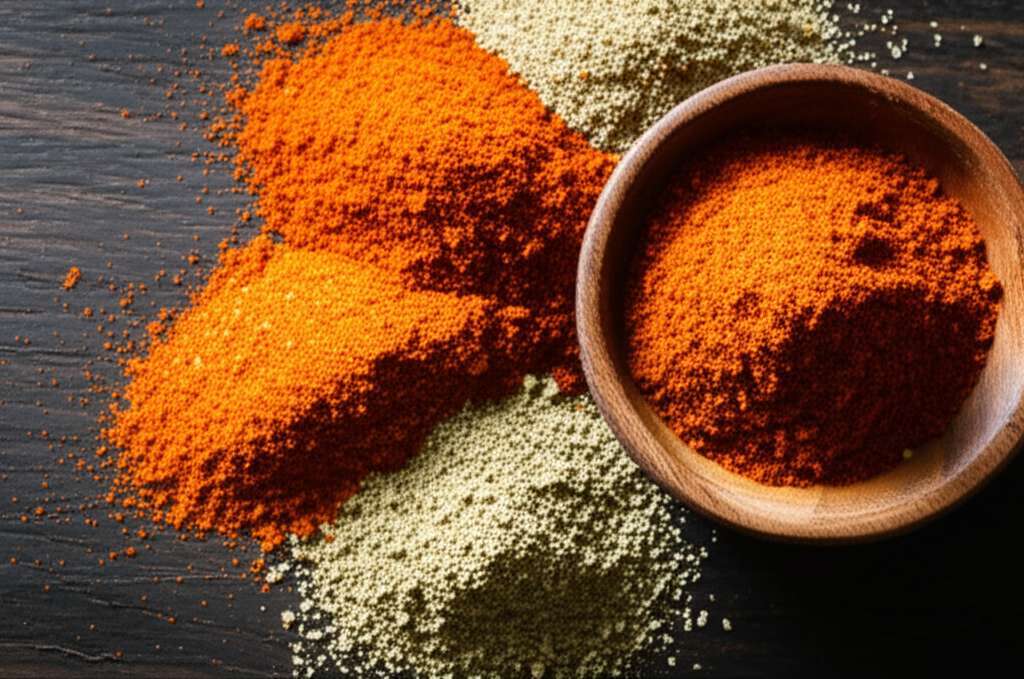
- Coriander: Adds a bright, citrusy, and slightly floral note.
- Cocoa Powder (unsweetened): A small amount can add incredible depth and richness without making the chili taste chocolatey.
- Cinnamon: Just a pinch can add a subtle warmth and complexity, especially in hearty beef chilis.
- Clove: Use very sparingly; a tiny amount adds a warm, pungent note.
- Allspice: Similar to clove, it has a warm, sweet, and pungent flavor.
Your Perfect Chili Seasoning Recipe: The Master Blend
Here’s a fantastic starting point for a chili seasoning recipe that delivers amazing flavor. This recipe makes enough for about 2 pounds of meat or beans, perfect for a standard batch of chili. You can easily double or triple it to keep on hand!
Yields: Approximately 1/4 cup (enough for 2 lbs of meat/beans)
Prep time: 5 minutes
Ingredients:
- 3 tablespoons chili powder
- 1 tablespoon ground cumin
- 1 teaspoon smoked paprika
- 1 teaspoon dried oregano
- 1 teaspoon garlic powder
- 1 teaspoon onion powder
- 1/4 teaspoon cayenne pepper (or more, to taste)
- 1/2 teaspoon salt
- 1/4 teaspoon black pepper
Tools You’ll Need:
- Small bowl
- Whisk or fork
- Measuring spoons
- Airtight container (like a small jar or zip-top bag) for storage
Step-by-Step: How to Make Your Chili Seasoning
Making this seasoning is as simple as mixing ingredients. Let’s get started!
- Gather Your Spices: Measure out all your ingredients carefully into the small bowl. Accuracy is key here to get the balance just right.
- Combine Thoroughly: Use your whisk or fork to mix all the spices together. Make sure there are no clumps and that everything is evenly distributed. This step is important for consistent flavor in your chili.
- Taste and Adjust (Optional but Recommended): If you have a tiny bit of the blend, you can mix it with a tablespoon of water and taste it. This helps you gauge the heat and salt level before adding it to your main dish. Adjust cayenne, salt, or other spices as needed.
- Store Properly: Transfer your amazing chili seasoning blend into an airtight container. Store it in a cool, dark place, like your pantry.
Storing Your Homemade Chili Seasoning
Proper storage is key to keeping your homemade chili seasoning fresh and flavorful. Spices lose their potency over time, especially when exposed to light, heat, and air.
Your homemade blend will stay at its best for about 6 to 12 months. After that, the flavors will start to fade, though it will still be safe to use. Always check the aroma; if it doesn’t smell vibrant, it’s time to make a new batch!
For best results, keep your container sealed tightly and away from the stove or direct sunlight. This simple care will ensure you always have that amazing flavor ready to go.
How to Use Your Amazing Chili Seasoning
Using your homemade chili seasoning is straightforward. For a standard chili recipe using about 1 pound of ground meat or 2 cups of beans, start with 2 tablespoons of your blend. You can always add more to taste as your chili simmers.
If you’re making a larger batch or a richer chili, you might want to use up to 3 tablespoons. It’s a good idea to add half the seasoning during the initial cooking of your meat or aromatics, and then add the remaining half during the simmering stage to keep the flavors bright.
Spice Level Adjustment Table
Heat is a personal preference! Here’s a guide to adjusting the spice level of your chili seasoning. Remember, you can always add more heat later, but you can’t take it away!
| Desired Heat Level | Cayenne Pepper Amount (for the recipe above) | Notes |
|---|---|---|
| Mild | 1/8 teaspoon (a tiny pinch) | Just a hint of warmth, very approachable. |
| Medium | 1/4 teaspoon | A pleasant, balanced warmth that most people enjoy. |
| Spicy | 1/2 teaspoon | For those who like a noticeable kick. |
| Very Spicy | 1 teaspoon or more | Use with caution! Consider adding a pinch of sugar to balance extreme heat. |
Understanding Your Chili Powder
The type of chili powder you use can significantly impact your final seasoning blend. Most common “chili powders” in the U.S. are already a blend of ground chiles and other spices like cumin, oregano, and garlic. If you use a pure ground chile powder (like ancho or chipotle), you’ll need to adjust the other spices accordingly.
For this recipe, we’re assuming you’re using a standard American-style chili powder. If your chili powder is very mild, you might want to increase the cayenne. If it’s already quite spicy, you might reduce it. Always check the label or taste your chili powder if you’re unsure!
To learn more about the different types of chili powders and chiles, the USDA offers great resources on food safety and understanding ingredients, which can be helpful when selecting your components. You can find general information on food ingredients on the FDA website.
Chili Seasoning Variations: Get Creative!
Once you’re comfortable with the basic recipe, don’t hesitate to play around! Chili is all about personal preference, and your seasoning can be too.
Smoky & Deep Flavor
- Increase smoked paprika to 1.5 tablespoons.
- Add 1/2 teaspoon chipotle powder (for smoky heat).
- Add 1/2 teaspoon unsweetened cocoa powder.
Herby & Bright Flavor
- Add 1 teaspoon ground coriander.
- Increase oregano to 1.5 tablespoons.
- Add a pinch of dried thyme.
Sweet & Savory Notes
- Add 1/4 teaspoon ground cinnamon.
- Add 1/8 teaspoon ground clove (use very sparingly!).
Experimenting with these additions will help you discover your signature chili flavor. Remember, the goal is to build layers of taste that complement your main ingredients.
Common Questions About Chili Seasoning
Q1: How much of this homemade chili seasoning should I use?
A1: For about 1 pound of ground meat or 2 cups of beans, start with 2 tablespoons of your homemade blend. You can always add more to taste as your chili cooks. It’s better to start with less and build up the flavor!
Q2: Can I make this seasoning gluten-free?
A2: Yes! All the spices in this recipe are naturally gluten-free. Just ensure that any pre-made chili powder you use is also certified gluten-free if you have a severe sensitivity.
Q3: My chili is too bland. What did I do wrong?
A3: This is a common issue! Ensure you’re using enough seasoning (start with 2 tbsp per pound of ingredients). Also, make sure your spices are fresh – old spices lose their potency. Toasting whole spices before grinding can also boost flavor significantly.
Q4: Can I make a vegetarian/vegan chili seasoning?
A4: Absolutely! This seasoning blend is already vegan. It works wonderfully for vegetarian chilis made with beans, lentils, or vegetables. The spices provide all the hearty flavor you need.
Q5: How long does homemade chili seasoning last?
A5: Stored in an airtight container in a cool, dark place, your chili seasoning should stay fresh and flavorful for about 6 to 12 months. You’ll notice the aroma fading over time, which is a good indicator it’s time to make a new batch.
Q6: What’s the difference between chili powder and cayenne pepper?
A6: Chili powder is typically a blend of ground chili peppers and other spices (like cumin, oregano, garlic). Cayenne pepper is simply ground cayenne chiles and is primarily used to add heat. They serve different flavor and heat roles in a recipe.
Q7: Can I use fresh spices instead of dried?
A7: While you can use fresh ingredients for some recipes, for dried spice blends like this, using dried spices is best. Fresh garlic and onions will be cooked separately in your chili. Dried herbs and ground spices offer concentrated flavor that distributes evenly in the mix.
Conclusion: Flavor Your World with Homemade Spice!
See? Creating your own amazing chili seasoning recipe is a straightforward and incredibly rewarding process. You’ve learned the essential spices, how to balance them for incredible flavor, and even how to customize it to your own taste preferences.
This homemade blend is more than just a collection of spices; it’s your ticket to consistently delicious chili, whether it’s a quick weeknight meal or a slow-simmered weekend feast. Don’t be afraid to experiment and make this recipe your own. The kitchen is your canvas, and delicious flavor is your masterpiece!
So go ahead, mix up a batch, and get ready to enjoy chili that truly sings with flavor. Happy cooking!