
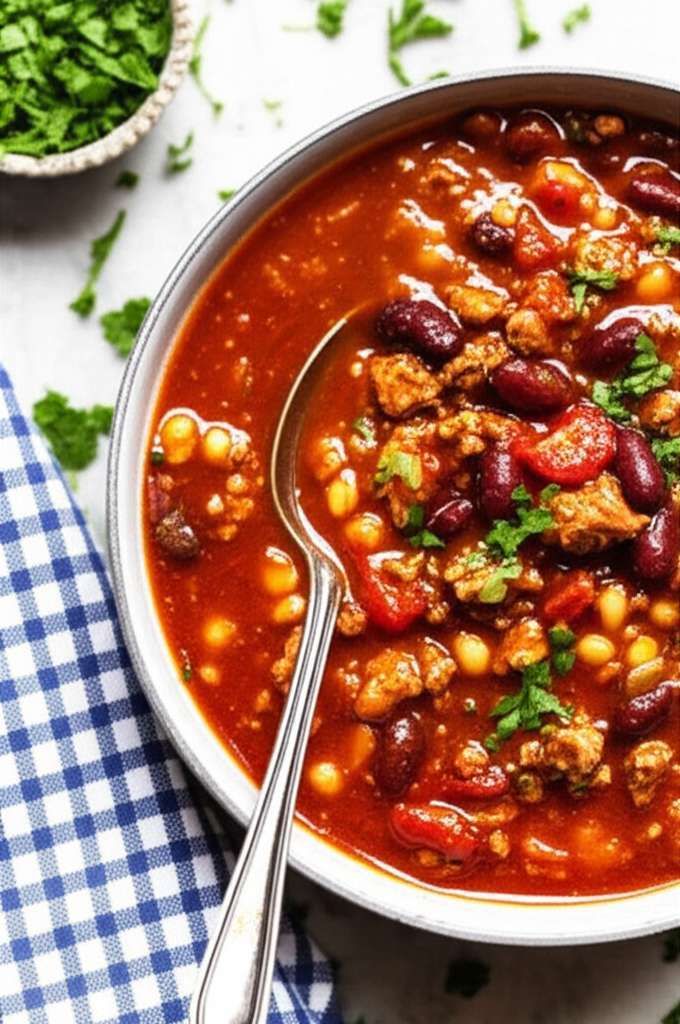
Cowboy Chili Recipe: Amazing Flavorful Bowl
Whip up a hearty and incredibly flavorful cowboy chili with this easy-to-follow recipe. Perfect for beginners, it delivers a rich, satisfying bowl that’s sure to become a family favorite.
Hey there, kitchen adventurers! Henry here from CookCanvas. Today, we’re diving into a dish that’s practically synonymous with comfort and deliciousness: cowboy chili. It’s a classic for a reason, but sometimes, the thought of making a big pot of chili can feel a little daunting, right? You might wonder about the right spices, how to get that deep flavor, or even just where to start.
But don’t you worry! Making a truly amazing cowboy chili is simpler than you think. We’re going to break it down step-by-step, from gathering your ingredients to savoring that first incredible bite. It’s all about building layers of flavor in a way that’s easy to understand and even easier to execute.
By the end of this guide, you’ll have a delicious, hearty cowboy chili that’s perfect for a cozy night in, a game day gathering, or whenever you need a bowl of pure comfort. We’ll cover everything you need to know, so let’s get cooking!
What Makes This Cowboy Chili So Amazing?
Cowboy chili, at its heart, is a hearty, no-nonsense dish. It’s typically characterized by its rich, savory flavor, often featuring ground meat, beans, and a robust tomato base. Unlike some other chili varieties that might include more exotic ingredients or a lengthy simmering process, cowboy chili aims for deep, satisfying flavor with approachable components.

This recipe focuses on building flavor from the ground up, using simple techniques that even beginner cooks can master. We’ll achieve that amazing taste through a thoughtful combination of spices, aromatics, and a good simmer that allows everything to meld beautifully. It’s the kind of meal that warms you from the inside out and makes your kitchen smell absolutely divine.
Gather Your Cowboy Chili Ingredients
The beauty of a good cowboy chili lies in its straightforward ingredients. You’ll find most of these in your pantry or at your local grocery store. Having everything prepped and ready makes the cooking process smooth and enjoyable. Let’s get our mise en place ready!
- 2 tablespoons olive oil or vegetable oil
- 2 pounds ground beef (80/20 or 85/15 is great for flavor)
- 1 large yellow onion, chopped
- 2 bell peppers (any color), chopped
- 3-4 cloves garlic, minced
- 2 tablespoons chili powder
- 1 tablespoon ground cumin
- 1 teaspoon smoked paprika
- 1/2 teaspoon dried oregano
- 1/4 teaspoon cayenne pepper (optional, for a little heat)
- 1 teaspoon salt, plus more to taste
- 1/2 teaspoon black pepper, plus more to taste
- 1 (28 ounce) can crushed tomatoes
- 1 (15 ounce) can diced tomatoes, undrained
- 1 (15 ounce) can kidney beans, rinsed and drained
- 1 (15 ounce) can pinto beans, rinsed and drained
- 1 cup beef broth or water
- Optional toppings: shredded cheddar cheese, sour cream, chopped fresh cilantro, sliced jalapeños, tortilla chips
Essential Tools for Your Cowboy Chili
You don’t need fancy equipment to make this chili. A few basic kitchen tools will have you well on your way to a delicious bowl. Having the right tools makes cooking so much easier and more enjoyable, especially when you’re starting out.
- Large pot or Dutch oven (at least 5-6 quart capacity)
- Wooden spoon or spatula
- Cutting board
- Chef’s knife
- Measuring spoons and cups
- Can opener
- Colander (for rinsing beans)
Step-by-Step: Crafting Your Cowboy Chili
Now for the fun part! We’ll walk through each step to build those amazing flavors. Don’t rush; enjoy the process of creating something delicious from scratch. Each step plays a role in developing the rich taste of our cowboy chili.
Step 1: Sauté the Aromatics
Start by heating the olive oil in your large pot or Dutch oven over medium heat. Once the oil is shimmering, add your chopped onion and bell peppers. Cook, stirring occasionally, until they begin to soften, which usually takes about 5-7 minutes. This gentle cooking process releases their natural sweetness and lays the foundation for our chili’s flavor profile.
Step 2: Brown the Beef
Add the ground beef to the pot with the softened vegetables. Break it up with your spoon and cook until it’s nicely browned. We want to cook out all the pink. Once browned, drain off any excess grease. This step is crucial for developing a savory depth that will permeate the entire chili.

Step 3: Add Garlic and Spices
Stir in the minced garlic and cook for about 1 minute until fragrant. Be careful not to burn the garlic, as it can turn bitter. Now, add your chili powder, cumin, smoked paprika, oregano, cayenne pepper (if using), salt, and black pepper. Stir everything together to coat the meat and vegetables. Toasting these spices for a minute or two awakens their aromas and deepens their flavor.
Step 4: Introduce the Tomatoes and Beans
Pour in the crushed tomatoes and diced tomatoes (with their juice). Add the rinsed and drained kidney beans and pinto beans. Stir well to combine all the ingredients. The tomatoes will provide the liquid base and a touch of acidity that balances the richness of the meat and spices.
Step 5: Simmer and Meld Flavors
Pour in the beef broth or water. Bring the chili to a gentle simmer, then reduce the heat to low, cover the pot, and let it cook for at least 30 minutes, stirring occasionally. For an even richer flavor, you can simmer it for up to 1.5 to 2 hours. The longer it simmers, the more the flavors will meld together beautifully.
Step 6: Taste and Adjust
Before serving, give your chili a taste. This is your chance to make it perfect for you! Add more salt, pepper, or a pinch more chili powder if needed. If it’s a bit too thick, you can stir in a little more beef broth or water. If you like it spicier, a dash more cayenne can do the trick.
Step 7: Serve and Enjoy!
Ladle the hot cowboy chili into bowls. Now comes the best part: adding your favorite toppings! Shredded cheese, a dollop of sour cream, some fresh cilantro, or even a few jalapeño slices can elevate your chili experience. Serve with some crusty bread or tortilla chips for dipping, and savor your amazing, flavorful creation!
Tips for Perfect Cowboy Chili Every Time
Even with a simple recipe, a few pro tips can make your cowboy chili truly shine. These little adjustments can elevate your dish from good to absolutely outstanding. Think of these as secret weapons in your chili-making arsenal!
- Quality Ingredients Matter: Using good quality ground beef and fresh vegetables will make a noticeable difference in the final flavor.
- Don’t Skip Toasting Spices: Briefly toasting your spices with the garlic before adding liquids helps to release their full aroma and flavor potential.
- Simmering is Key: While you can eat this chili after 30 minutes, letting it simmer longer allows the flavors to deepen and meld together, creating a more complex taste.
- Bean Variety: Feel free to swap out the kidney and pinto beans for other favorites like black beans or even add a can of corn for a touch of sweetness.
- Spice Level Control: The cayenne pepper is optional. If you’re sensitive to heat, leave it out. If you love spice, add a bit more, or even a pinch of red pepper flakes.
Cowboy Chili Ingredient Variations & Substitutions
Sometimes you might be missing an ingredient or want to try a slightly different flavor profile. Don’t be afraid to experiment! Here are a few common substitutions and variations that work wonderfully in cowboy chili.
| Ingredient | Substitution/Variation | Notes |
|---|---|---|
| Ground Beef | Ground turkey, ground chicken, ground pork, or a mix. For a vegetarian option, use plant-based crumbles or extra beans and vegetables. | Adjust cooking time as needed for different meats. Vegetarian options will have a lighter flavor profile. |
| Kidney Beans/Pinto Beans | Black beans, cannellini beans, chickpeas, or a mix. | Ensure beans are rinsed and drained well. |
| Beef Broth | Chicken broth, vegetable broth, or water. | Beef broth adds the most depth, but others work in a pinch. |
| Yellow Onion | White onion, red onion, or shallots. | Each will impart a slightly different subtle flavor. |
| Bell Peppers | Other vegetables like celery, zucchini, or even a sweet potato (diced small). | Consider how the added vegetable will affect the cooking time and texture. |
Cowboy Chili: Cooking Time and Temperature Guide
Understanding cooking times and temperatures can help you achieve the best results. While chili is forgiving, a little attention to these details can make a big difference. The goal is to ensure everything is cooked through and the flavors have had time to develop properly.
| Stage | Temperature | Approximate Time | Notes |
|---|---|---|---|
| Sautéing Aromatics | Medium Heat | 5-7 minutes | Until softened and translucent. |
| Browning Ground Beef | Medium-High Heat | 8-10 minutes | Until no pink remains; drain fat. |
| Toasting Spices | Medium Heat | 1-2 minutes | Until fragrant; do not burn. |
| Simmering (Minimum) | Low Heat | 30 minutes | Covered, stirring occasionally. Flavors begin to meld. |
| Simmering (Recommended) | Low Heat | 1.5 – 2 hours | Covered, stirring occasionally. Flavors deepen significantly. |
| Reheating | Low to Medium Heat | 15-20 minutes | Stir frequently until heated through. |
Food Safety Considerations
When cooking with ground meat, it’s always important to follow food safety guidelines. Ensuring your meat is cooked to the correct internal temperature helps prevent foodborne illnesses. For ground beef, the U.S. Department of Agriculture (USDA) recommends cooking it to an internal temperature of 160°F (71°C).
While we’re not using a thermometer for this recipe since we’re cooking until no pink remains, it’s a good general guideline to keep in mind for other meat dishes. Always make sure to drain off any excess fat after browning the meat. Properly storing leftovers in the refrigerator within two hours of cooking is also key. You can find more detailed information on safe cooking temperatures at the USDA Food Safety website.
Frequently Asked Questions about Cowboy Chili
Have questions about your cowboy chili? You’re not alone! Many home cooks have similar curiosities. Let’s tackle some of the most common ones to help you feel even more confident in your chili-making journey.
Q1: Can I make cowboy chili ahead of time?
Yes, absolutely! Cowboy chili often tastes even better the next day after the flavors have had more time to meld together. Let it cool completely, then store it in an airtight container in the refrigerator for up to 3-4 days. Reheat gently on the stovetop or in the microwave.
Q2: How do I make my chili thicker?
If your chili is too thin, you can uncover the pot and let it simmer on low heat for an extra 15-30 minutes, stirring occasionally. This allows some of the liquid to evaporate. You can also mash some of the beans against the side of the pot before simmering, as their starches will help thicken the chili.
Q3: My chili seems a little bland. What can I do?
Don’t worry, this is easily fixed! Taste your chili and add more salt and black pepper. A pinch of sugar can also help balance the flavors and bring out the sweetness in the tomatoes. If you want more depth, a dash of Worcestershire sauce or a splash of vinegar (like apple cider vinegar) can brighten things up. Don’t forget that a little more chili powder or cumin can also boost the flavor!
Q4: Can I freeze cowboy chili?
Yes, cowboy chili freezes beautifully! Once cooled, portion it into freezer-safe containers or heavy-duty freezer bags. It can be stored in the freezer for up to 3 months. Thaw it in the refrigerator overnight and reheat as usual.
Q5: What are some other topping ideas for cowboy chili?
Beyond the classics, consider adding diced avocado, a sprinkle of crushed tortilla chips for crunch, a dollop of Greek yogurt (a lighter alternative to sour cream), or even a drizzle of hot sauce for an extra kick. A sprinkle of sharp cheddar or a few pickled jalapeños can also add a nice tang.
Q6: How do I make this recipe spicier?
To increase the heat, add more cayenne pepper, a pinch of red pepper flakes, or even a diced fresh jalapeño or serrano pepper along with the onions and bell peppers. You could also add a dash of your favorite hot sauce towards the end of cooking.
Conclusion: Your Cowboy Chili Adventure Awaits!
There you have it – a simple, step-by-step guide to creating an incredibly flavorful cowboy chili right in your own kitchen. We’ve covered everything from selecting your ingredients to understanding the magic of simmering, ensuring you have the confidence to make this hearty dish your own.
Remember, cooking is a journey, and every pot of chili you make will teach you something new. Don’t be afraid to adjust the spices, experiment with toppings, or even try different beans. The goal is to create a meal that brings you comfort and joy, and this cowboy chili recipe is a fantastic starting point.
So, gather your ingredients, put on your apron, and get ready to fill your home with the irresistible aroma of delicious, homemade cowboy chili. Enjoy every single spoonful of this flavorful bowl – you’ve earned it!