

Easy camping meals make outdoor adventures delicious and stress-free with simple recipes for delicious outdoor cooking. Focus on minimal prep, few ingredients, and versatile cooking methods to enjoy fantastic food without the fuss.
Ready for Delicious Outdoor Feasts? Let’s Go Camping!
Planning a camping trip is exciting, but the thought of cooking outdoors can sometimes feel a little daunting. Many people worry about complicated recipes or not having the right equipment, leading to less-than-delicious meals or relying on pre-packaged options. But don’t let that stop you from enjoying some truly tasty food under the stars!
Camping cuisine doesn’t need to be complicated. With a few simple ideas and smart planning, you can create meals that are both incredibly easy to make and wonderfully satisfying. We’re going to explore how to make your outdoor cooking experience a breeze, focusing on deliciousness and simplicity.
In this guide, we’ll cover everything from essential gear to fantastic, no-fuss recipes. Get ready to discover how to whip up delightful meals that will make your next camping adventure a culinary success!
The Foundation of Easy Camping Meals: Smart Planning
The secret to effortless outdoor cooking is preparation. Thinking ahead about your meals and ingredients makes a huge difference when you’re away from your home kitchen. This means fewer surprises and more time to enjoy nature.
Before you even pack your bags, take some time to plan your menu. Consider how many meals you’ll need and what types of food are easiest to transport and prepare. Simple, hearty dishes are usually the best bet for camping.
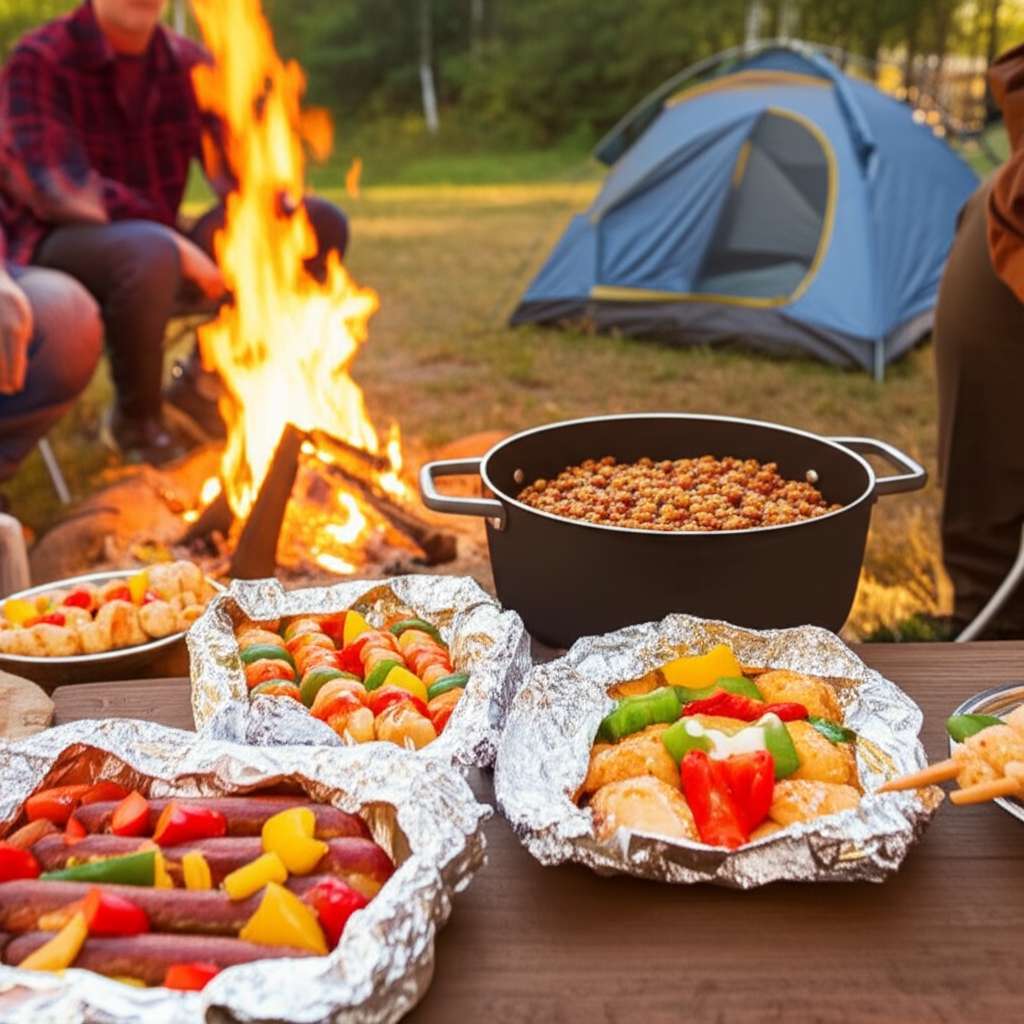
Thinking about pre-chopping vegetables or pre-mixing spices at home can save you a lot of time and effort at the campsite. These little steps make a big impact on your overall cooking experience.
Essential Gear for Delicious Outdoor Feasts
You don’t need a gourmet kitchen to cook great food outdoors. A few key pieces of equipment will make preparing your easy camping meals much more enjoyable. Focusing on versatile items means you can handle a variety of recipes.
A sturdy camp stove is a must-have for reliable cooking, especially if campfires aren’t always an option or are restricted. Look for one that’s easy to set up and operate.
Don’t forget a good set of pots and pans. Lightweight, durable cookware that can handle direct heat is ideal. And of course, basic utensils, plates, and cups are essential for serving and eating.
Must-Have Camping Kitchen Items:
- Camp stove with fuel
- Lighter or matches
- One or two pots with lids
- One skillet or frying pan
- Cutting board
- Sharp knife
- Utensils (spatula, spoon, tongs)
- Plates, bowls, and cutlery
- Biodegradable soap and sponge for cleaning
- Water bottles or a water jug
- Cooler for perishable items
Simple & Satisfying Camping Recipes
Now for the fun part – the food! These recipes are designed to be incredibly easy, using common ingredients and requiring minimal steps. They’re perfect for beginners and seasoned campers alike.
1. One-Pot Campfire Chili
This hearty chili is a classic for a reason. It’s flavorful, filling, and made entirely in one pot, which means easy cleanup. It’s a perfect meal for a cool evening.
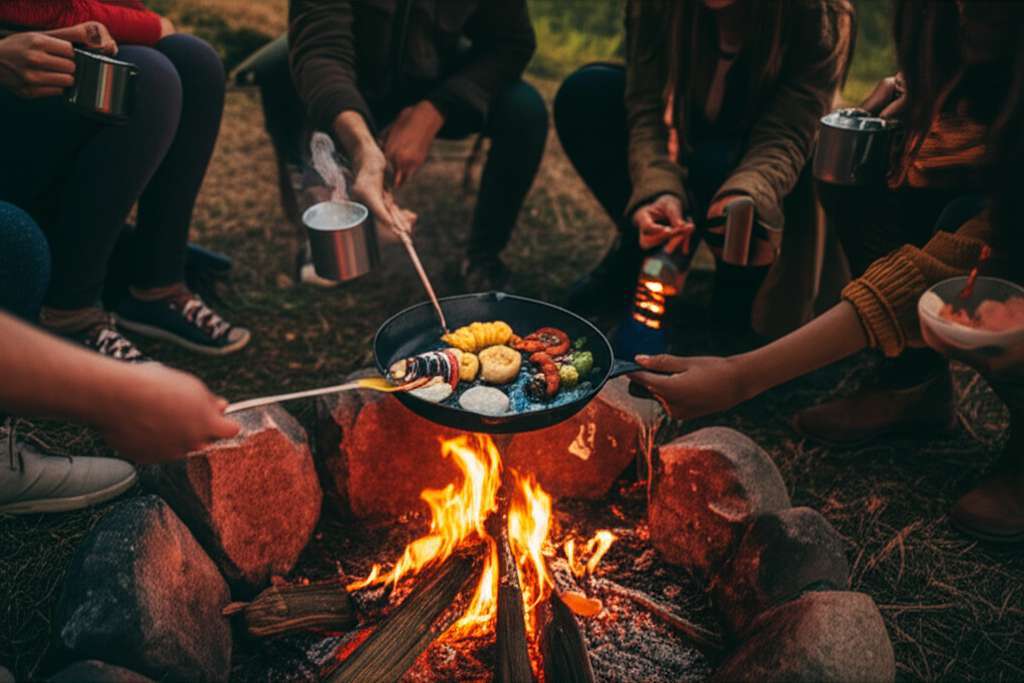
Ingredients:
- 1 lb ground beef or turkey (or vegetarian crumbles)
- 1 large onion, chopped
- 2 cloves garlic, minced
- 1 (15 oz) can diced tomatoes, undrained
- 1 (15 oz) can kidney beans, rinsed and drained
- 1 (15 oz) can black beans, rinsed and drained
- 1 (8 oz) can tomato sauce
- 2 tablespoons chili powder
- 1 teaspoon cumin
- Salt and pepper to taste
- Optional toppings: shredded cheese, sour cream, chopped cilantro
Instructions:
- Brown the ground meat (or crumbles) in a large pot or Dutch oven over medium heat. Drain off any excess fat.
- Add the chopped onion and cook until softened, about 5 minutes. Stir in the minced garlic and cook for another minute until fragrant.
- Pour in the diced tomatoes, kidney beans, black beans, and tomato sauce.
- Stir in the chili powder and cumin. Season with salt and pepper.
- Bring the chili to a simmer, then reduce heat and let it cook for at least 20-30 minutes, stirring occasionally. For deeper flavor, simmer longer.
- Serve hot with your favorite toppings.
2. Foil Packet Salmon with Veggies
Foil packet meals are a camper’s dream! They cook directly in the campfire coals or on a grill, meaning no dishes to wash. This recipe is healthy, delicious, and incredibly customizable.
Ingredients:
- 4 (6 oz) salmon fillets
- 2 tablespoons olive oil
- 1 lemon, thinly sliced
- 1 pound mixed vegetables, cut into bite-sized pieces (e.g., broccoli florets, bell pepper strips, zucchini slices, asparagus spears)
- 1 teaspoon dried dill
- Salt and pepper to taste
Instructions:
- Tear off four large pieces of heavy-duty aluminum foil.
- Place one salmon fillet in the center of each foil piece.
- Drizzle each fillet with olive oil, then season with salt, pepper, and dill.
- Arrange the mixed vegetables around the salmon.
- Top each fillet with a couple of lemon slices.
- Bring the edges of the foil together and crimp tightly to create a sealed packet.
- Place the packets directly on the hot coals of a campfire or on a preheated grill.
- Cook for 12-15 minutes, or until the salmon is cooked through and flakes easily with a fork. Cooking time will vary depending on the heat of your coals/grill.
- Carefully open the packets (watch out for steam!) and serve immediately.
3. Campfire Quesadillas
These are so quick and easy, you can make them for breakfast, lunch, or dinner! They’re versatile and always a crowd-pleaser.
Ingredients:
- Large flour tortillas
- Shredded cheese (cheddar, Monterey Jack, or a blend)
- Optional fillings: pre-cooked chicken or beans, sautéed onions and peppers, corn
- Butter or cooking spray for the pan
Instructions:
- Heat a skillet over medium heat on your camp stove or grill.
- Lightly butter one side of a tortilla or spray the pan with cooking spray. Place the tortilla, butter-side down, in the skillet.
- Sprinkle cheese and any desired fillings over half of the tortilla.
- Fold the other half of the tortilla over the filling.
- Cook for 2-3 minutes per side, until golden brown and the cheese is melted.
- Slide onto a plate and cut into wedges.
4. Breakfast Scramble Burritos
Start your day right with a warm and filling breakfast. These burritos are easy to assemble and provide sustained energy for a day of adventure.
Ingredients:
- 6-8 eggs
- Splash of milk or water
- Salt and pepper to taste
- 1 tablespoon butter or oil
- 1/2 cup chopped bell peppers and onions (pre-chopped at home is best)
- 1/2 cup cooked breakfast sausage or bacon bits (optional)
- 4-6 large flour tortillas
- Shredded cheese
Instructions:
- In a bowl, whisk together eggs, milk/water, salt, and pepper.
- Heat butter or oil in a skillet over medium heat. Add peppers and onions and cook until softened, about 5 minutes.
- If using, add sausage or bacon bits and cook for another minute.
- Pour the egg mixture into the skillet. Cook, stirring gently, until the eggs are set but still slightly moist.
- Warm the tortillas slightly.
- Spoon the egg mixture onto one half of each tortilla. Top with shredded cheese.
- Fold the tortillas around the filling to create burritos.
- You can eat them as is, or for an extra treat, briefly grill them in a clean, lightly oiled skillet until golden brown on both sides.
Tips for Delicious & Safe Outdoor Cooking
Beyond the recipes, a few general tips can elevate your camping cooking experience. Safety is paramount when cooking outdoors, especially with campfires.
Always ensure your cooking area is clear of flammable materials. When cooking over a campfire, use established fire rings and be mindful of wind conditions. Never leave an open flame unattended.
Proper food storage is also crucial. Use a good cooler with plenty of ice or ice packs to keep perishable foods at safe temperatures. The United States Department of Agriculture (USDA) recommends keeping cold food at 40°F (4°C) or below to prevent bacterial growth.
After cooking, wash all dishes and utensils thoroughly with soap and water. Dispose of dishwater responsibly, away from water sources, following Leave No Trace principles. Proper cleanup helps prevent attracting unwanted wildlife.
Temperature and Cooking Times for Common Campfire Foods
Understanding cooking times and temperatures can make a big difference, especially when cooking over an open flame which can be less predictable than a stove. Here’s a general guide for campfire cooking.
| Food Item | Estimated Cooking Time (over medium coals) | Internal Temperature (for safety) | Notes |
|---|---|---|---|
| Hot Dogs/Sausages | 5-10 minutes | 160°F (71°C) | Turn frequently for even cooking. |
| Steak (1-inch thick) | 4-5 minutes per side | 130-135°F (54-57°C) for medium-rare | Adjust time for desired doneness. |
| Chicken Breast (boneless) | 6-8 minutes per side | 165°F (74°C) | Ensure fully cooked through. |
| Fish Fillets (like salmon) | 10-15 minutes (in foil packet) | 145°F (63°C) | Cook until opaque and flakes easily. |
| Vegetables (e.g., corn on the cob, potatoes) | 15-30 minutes (depending on item and preparation) | N/A | Can be cooked in foil packets or directly on grill grates. |
Remember that these times are estimates. The actual heat of your campfire coals or grill will significantly impact cooking duration. Using a food thermometer is the most reliable way to ensure food is cooked to a safe internal temperature. For more detailed food safety guidelines, you can refer to the FoodSafety.gov website.
Ingredient Substitutions for Camping Flexibility
Sometimes you might not have every ingredient on hand, or you might want to adapt a recipe to suit your tastes or what you have available. Camping is a great time to be flexible!
Many ingredients can be swapped out without much fuss. For example, if you don’t have kidney beans for chili, pinto beans or even cannellini beans will work perfectly well. The key is to keep the spirit of the recipe.
Here are a few common substitutions that work great for easy camping meals:
| Original Ingredient | Substitution Options | Notes |
|---|---|---|
| Ground Beef/Turkey | Ground chicken, sausage, vegetarian crumbles, lentils | Adjust cooking time if using different types of protein. |
| Onion | Shallots, leeks, onion powder (use sparingly) | Fresh onion adds the best flavor if possible. |
| Broccoli | Cauliflower, green beans, snap peas, asparagus | Choose vegetables that cook relatively quickly. |
| Salmon | Trout, cod, chicken breast, firm tofu | Adjust cooking time based on the thickness and type of protein. |
| Dill | Parsley, thyme, chives, or omit | Herbs add flavor, but the dish will still be good without them. |
Frequently Asked Questions About Easy Camping Meals
It’s natural to have questions when you’re new to camping or cooking outdoors. Here are some common queries to help you feel more prepared and confident.
Q1: How do I keep food cold in a cooler for several days?
A1: Start with a well-insulated cooler. Pre-chill your cooler overnight. Use block ice or frozen water bottles, as they melt slower than cubed ice. Pack your cooler tightly, filling any empty spaces with more ice or even crumpled newspaper. Keep the cooler in the shade and open it only when necessary. Consider using separate coolers for drinks and food, as the drink cooler is opened more often.
Q2: What if I don’t have a campfire? Can I still make these meals?
A2: Absolutely! All of these recipes can be easily adapted for a camp stove. The campfire chili and quesadillas are perfect for a stove. For the foil packet salmon, you can cook it on a grill grate over your camp stove burner or in a cast-iron skillet on the stove. Just adjust cooking times as needed.
Q3: How can I minimize waste when camping and cooking?
A3: Plan your meals carefully to avoid overbuying. Repackage ingredients into reusable containers or bags before you leave home to reduce bulky packaging. Opt for reusable utensils, plates, and cups instead of disposable ones. Bring a trash bag and pack out everything you pack in, ensuring you leave your campsite cleaner than you found it.
Q4: What are some good, non-perishable snacks for camping?
A4: Great non-perishable options include trail mix, nuts, dried fruit, jerky, granola bars, crackers, peanut butter, and applesauce pouches. These are easy to pack and provide quick energy between meals and activities.
Q5: How do I safely clean up after cooking outdoors?
A5: Use biodegradable soap and a sponge. Wash dishes away from natural water sources, ideally in a designated wash basin. Strain food scraps from the dishwater and pack them out with your trash. Rinse the wash basin thoroughly. For more detailed guidance on responsible disposal, check out Leave No Trace principles.
Q6: Can I prepare ingredients for camping meals ahead of time?
A6: Yes, and this is highly recommended for easy camping meals! Chop vegetables, pre-cook meats (like ground beef for chili), measure out spices, and marinate items at home. Store them in airtight containers or zip-top bags in your cooler. This saves significant time and effort at the campsite.
The Joy of Cooking Outdoors
Camping is a wonderful opportunity to connect with nature and enjoy simple pleasures, and that includes delicious food. With these easy camping meals and smart planning tips, you can create memorable outdoor feasts without the stress.
Remember, cooking outdoors is an adventure in itself. Embrace the simplicity, enjoy the process, and savor the flavors. Whether it’s the smoky aroma of campfire chili or the perfectly cooked salmon in a foil packet, these meals are designed to be enjoyed.
So, pack your bags, gather your ingredients, and get ready to experience the joy of easy, delicious outdoor cooking on your next adventure. Happy camping and happy cooking!