

Yes, you can absolutely make incredibly fluffy pancakes even if you’re out of baking powder! This guide reveals simple pantry staples and techniques to achieve light, airy pancakes with amazing results every time. Learn how basic ingredients like eggs and a touch of acidity can create that perfect rise and texture, making your pancake dreams a reality without a special trip to the store.
Pancakes for breakfast or brunch are a classic comfort. But what happens when you’re all set to whip up a batch, only to discover your baking powder container is empty? It’s a common kitchen quandary, and it can feel a bit disheartening when you’re craving those golden, fluffy delights.
Don’t let a missing ingredient stop your pancake party! There are wonderful, time-tested ways to get those towering, airy stacks. You likely have everything you need right in your pantry already.
This guide is here to show you exactly how. We’ll walk through simple, effective methods that rely on common ingredients and easy techniques to achieve amazing, fluffy pancakes, no baking powder required. Get ready to impress yourself with your newfound pancake-making prowess!
The Magic Behind Fluffy Pancakes
Before we dive into the “how-to,” let’s quickly chat about why pancakes get fluffy in the first place! It’s a bit of kitchen science, but it’s super simple to understand.
When you make pancakes, you’re creating a batter. This batter contains ingredients that, when heated, produce little gas bubbles. These bubbles get trapped in the batter as it cooks, making the pancakes rise and become light and airy.
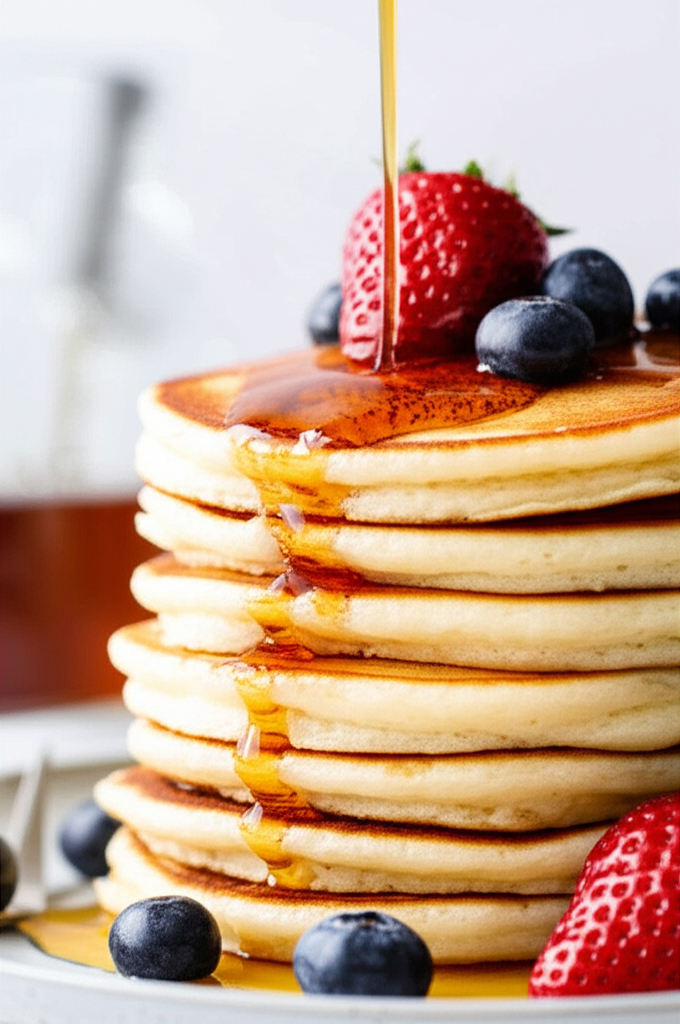
Traditionally, baking powder is the star ingredient for this leavening action. It’s a chemical leavener that reacts with liquid and heat to produce carbon dioxide gas. But fear not, there are other ways to get those bubbles going!
Understanding Leavening Without Baking Powder
So, if we can’t use baking powder, what else can create those delightful air pockets? The answer lies in a few clever alternatives:
Mechanical Leavening: This is all about trapping air physically. Think whipping egg whites to stiff peaks – that’s pure trapped air!
Chemical Reactions (Other Than Baking Powder): Some ingredients in your pantry can react with others (like acids and bases) to create gas. For example, baking soda can be a leavener when it reacts with an acid.
Fermentation: Longer resting times for batters can sometimes allow natural yeasts to form, but this is less common for quick fluffy pancakes.
We’ll focus on the first two, which are quick and effective for achieving that fluffy texture.
Method 1: The Egg White Powerhouse
This is perhaps the most classic and reliable way to get super fluffy pancakes without baking powder. It relies heavily on the power of whipped egg whites!
Why This Works
When you whip egg whites, you incorporate a lot of air into them. This creates a stable foam. When you gently fold this foamy egg white mixture into your pancake batter, it introduces all those air bubbles, giving your pancakes an incredible lift and a wonderfully delicate, fluffy texture. It’s a bit like incorporating tiny balloons into your batter!
Ingredients You’ll Need
You’ll need your basic pancake ingredients, plus a little extra care with the eggs.
1 ½ cups All-Purpose Flour
2 tablespoons Granulated Sugar
½ teaspoon Salt
2 large Eggs, separated (yolks and whites in different bowls)
1 ½ cups Milk (whole milk or 2% works best for richness)
2 tablespoons Melted Butter or Vegetable Oil, plus more for cooking
1 teaspoon Vanilla Extract (optional, but adds great flavor)
Tools You’ll Need
Two medium-sized mixing bowls
One large mixing bowl
Whisk
Electric mixer (handheld or stand mixer recommended for egg whites) or a strong arm and a whisk!
Spatula
Measuring cups and spoons
Griddle or frying pan
Ladle or ¼ cup measuring cup for pouring batter
Step-by-Step Guide to Fluffy Pancakes with Whipped Egg Whites
Follow these steps carefully, and you’ll be rewarded with incredibly light pancakes.
1. Combine Dry Ingredients: In your large mixing bowl, whisk together the flour, sugar, and salt. This ensures everything is evenly distributed.
2. Mix Wet Ingredients (Except Egg Whites): In a separate medium bowl, lightly beat the egg yolks. Then, whisk in the milk, melted butter (make sure it’s not too hot, or it might cook the yolks!), and vanilla extract, if using.
3. Combine Wet and Dry: Pour the wet ingredients into the bowl with the dry ingredients. Stir just until combined. It’s okay if there are a few lumps; overmixing will make your pancakes tough.
4. Whip the Egg Whites: Now for the magic! In a clean, dry medium bowl, add your egg whites. Using an electric mixer on medium-high speed (or whisking vigorously by hand), beat the egg whites until they form stiff peaks. This means when you lift the whisk, the peaks stand up straight and don’t flop over. This step is crucial for lift!
Tip: Make sure your bowl and whisk are completely clean and free of any grease. Fat can prevent egg whites from whipping properly.
5. Gently Fold: This is another important step for fluffiness. Take about one-third of the whipped egg whites and gently fold them into the batter using your spatula. The goal here is to lighten the batter. Don’t overmix; just fold until mostly combined.
6. Fold in Remaining Egg Whites: Add the rest of the whipped egg whites to the batter. Now, very gently fold them in until just combined and no large streaks of white remain. Be as gentle as possible to keep as much air in the batter as you can. The batter should look light and airy.
7. Heat Your Griddle: Place your griddle or frying pan over medium heat. Add a little butter or oil. You know it’s ready when a drop of water sizzles and evaporates quickly.
8. Cook the Pancakes: Pour about ¼ cup of batter per pancake onto the hot griddle. Cook for about 2-3 minutes per side, or until golden brown and cooked through. You’ll see small bubbles forming on the surface before it’s time to flip.
9. Serve Immediately: Fluffy pancakes are best served hot off the griddle! Top with your favorite syrup, fruit, or whipped cream.
Method 2: The Baking Soda & Acid Boost
If whipping egg whites feels like too much work, or you’re just looking for a quicker alternative, using baking soda with an acidic ingredient is a great second option.
Why This Works
Baking soda is a base. When it meets an acid, it creates a chemical reaction that releases carbon dioxide gas bubbles. These bubbles cause the batter to rise, making your pancakes fluffy. Common pantry acids that work well include buttermilk, yogurt, lemon juice, or even vinegar when combined with milk.
Ingredients You’ll Need
1 ½ cups All-Purpose Flour
2 tablespoons Granulated Sugar
½ teaspoon Salt
½ teaspoon Baking Soda
1 ½ to 1 ¾ cups Buttermilk OR 1 ½ cups Milk + 1 tablespoon Lemon Juice/Vinegar (let sit for 5 minutes to “sour”)
2 large Eggs
3 tablespoons Melted Butter or Vegetable Oil, plus more for cooking
1 teaspoon Vanilla Extract (optional)
Tools You’ll Need
One large mixing bowl
One medium mixing bowl
Whisk
Spatula
Measuring cups and spoons
Griddle or frying pan
Ladle or ¼ cup measuring cup for pouring batter
Step-by-Step Guide to Fluffy Pancakes with Baking Soda
This method is faster and still delivers a fantastic fluffy result.
1. Combine Dry Ingredients: In your large mixing bowl, whisk together the flour, sugar, salt, and baking soda. Ensure the baking soda is evenly distributed.
2. Prepare the Acidic Liquid: If using milk, combine it with the lemon juice or vinegar in a measuring cup. Let it sit for about 5 minutes; it will start to curdle slightly – this means it’s ready to act as your acid. If making buttermilk pancakes, simply measure out your buttermilk.
3. Mix Wet Ingredients: In the medium bowl, whisk the eggs, then whisk in the prepared acidic liquid (buttermilk or soured milk), melted butter, and vanilla extract, if using.
4. Combine Wet and Dry: Pour the wet ingredients into the dry ingredients. Stir just until combined. Again, a few lumps are fine! Overmixing makes tough pancakes.
5. Let it Rest (Optional but Recommended): Letting the batter rest for 5-10 minutes can allow the baking soda-acid reaction to start and flavors to meld. This can contribute to a slightly fluffier pancake.
6. Heat Your Griddle: Place your griddle or frying pan over medium heat. Add butter or oil. Test readiness with a water droplet – it should sizzle.
7. Cook the Pancakes: Pour about ¼ cup of batter per pancake onto the hot griddle. Cook for about 2-3 minutes per side, until golden brown and cooked through. You’ll see bubbles appear on the surface of the uncooked side.
8. Serve: Enjoy your fluffy pancakes immediately with your favorite toppings!
Comparing the Methods
Both methods are great, but they have subtle differences. Here’s a quick look:
| Feature | Method 1: Whipped Egg Whites | Method 2: Baking Soda & Acid |
| :—————— | :——————————————————— | :———————————————————– |
| Fluffiness Level| Often yields the most extreme, airy, cloud-like texture. | Very fluffy, typically a slightly denser crumb than Method 1. |
| Effort | Requires separating eggs and whipping whites. | Simpler mixing, no egg separation. |
| Time | Slightly longer due to whipping egg whites. | Quicker, especially if not resting the batter. |
| Texture | Delicate, almost soufflé-like. | Tender and reliably fluffy. |
| Key Ingredient | Whipped Egg Whites | Baking Soda + Acidic Liquid (buttermilk, lemon juice, etc.) |
| Best For | Those who want the ultimate fluffy stack and don’t mind a little extra work. | Quick mornings, confident fluffiness, or when baking soda is available. |
Note on Baking Soda: Baking soda is a powerful leavener but has a distinct taste if overused or not properly neutralized by an acid. The recipes above use the correct ratios to avoid this. Always use fresh baking soda.
Tips for Extra-Fluffy Pancakes (No Matter the Method!)
Beyond the specific recipe, a few general techniques can elevate your pancake game:
Don’t Overmix the Batter: This is probably the single most important tip for tender, fluffy pancakes. Overmixing develops the gluten in the flour, leading to tough, rubbery pancakes. Stir until just combined; a few lumps are a sign of a happy batter.
Let the Batter Rest: Allowing your batter to sit for 5-10 minutes before cooking gives the flour time to hydrate and any chemical reactions (like between baking soda and acid) to begin. This can lead to a more even rise.
Medium Heat is Key: Too high a heat and your pancakes will burn on the outside before the inside cooks and rises. Too low, and they might not puff up properly or can become greasy. Aim for medium heat.
Proper Griddle Temperature: Your griddle should be hot enough to sizzle a drop of water but not so hot that it burns the butter instantly. A good test is to flick a bit of water onto the surface; it should dance and evaporate.
Don’t Crowd the Pan: Give your pancakes space on the griddle. Overcrowding can lower the pan’s temperature, leading to less even cooking and fluffiness.
Flip Once: Try to flip your pancakes only once. Flipping them multiple times breaks up the air bubbles that are trying to form. Wait until you see bubbles appearing on the surface and the edges look set before flipping.
A Quick Note on Other Leavening Agents
While we’ve focused on eggs and baking soda, some people might wonder about other ingredients.
Baking Powder vs. Baking Soda: Baking powder is a complete leavener, containing both an acid and a base. Baking soda is just a base and needs an acidic ingredient in the recipe to work. This is why recipes for baking soda-based pancakes often include buttermilk, yogurt, lemon juice, or cream of tartar.
Yeast: Yeast is a natural leavener that requires time to activate (fermentation). While it can produce wonderful results, it’s not ideal for quick, everyday fluffy pancakes and typically results in a different texture, more like a crêpe or a sour-dough pancake.
Cream of Tartar: This is an acidic salt that can be used with baking soda to create leavening. It’s often used to stabilize whipped egg whites, too. If you have it, you can use it in Method 2 (about ½ teaspoon added to the dry ingredients along with the baking soda) or to help stabilize your egg whites in Method 1.
Understanding Ingredient Ratios: A Deeper Dive
Getting the right balance of flour, liquid, and leavening (or its substitutes) is what makes a pancake recipe sing.
Flour: Provides the structure. Too little, and your pancakes will be flat and spread out. Too much, and they’ll be dense and dry.
Liquid (Milk/Buttermilk): Adds moisture and helps activate gluten. The amount of liquid affects the batter’s thickness, which in turn affects how the pancake spreads and rises.
Fat (Butter/Oil): Contributes to tenderness and flavor. It also helps to inhibit gluten development, keeping pancakes soft.
Sugar: Adds sweetness but also aids in browning and tenderness.
In our no-baking-powder methods:
Eggs provide structure and, when whipped, significant leavening (Method 1). The yolks also add richness and emulsification, while the whites contribute lightness.
Baking Soda + Acid creates chemical leavening by producing carbon dioxide gas (Method 2).
The careful balance ensures that when the pancake hits the heat, the structure is strong enough to hold the expanding air bubbles, resulting in that sought-after fluffy height.
Pancake Batter Consistency: The Sweet Spot
The ideal pancake batter is typically not too thick and not too thin. It should be pourable but still have some body to it.
Too Thick: If your batter is too thick, the pancakes might be dense and dry. You can thin it out by adding a tablespoon or two of milk at a time until it reaches the right consistency.
Too Thin: A batter that’s too thin will spread too much on the griddle, resulting in flat, crepe-like pancakes that may also be tough. You can thicken it by adding a tablespoon of flour at a time.
Don’t be afraid to adjust slightly based on your flour and milk. The goal is a batter that flows off your ladle or measuring cup in a thick stream, rather than spreading out instantly.
Serving Suggestions & Beyond
Once your fluffy pancakes are ready, the fun doesn’t stop there!
Classic Toppings:
Maple syrup (warm it up!)
Butter
Fresh berries (strawberries, blueberries, raspberries)
Sliced bananas
Whipped cream
A Little More Adventurous:
A dusting of powdered sugar
A dollop of Greek yogurt
Chocolate chips or blueberries folded into the batter just before cooking
A spoonful of jam or fruit compote
* A drizzle of honey or agave nectar
For a Healthier Twist:
Consider using whole wheat flour (though this can make them a bit denser) or adding a bit of unsweetened applesauce to the batter.
External Resources for Kitchen Confidence
Building confidence in the kitchen often comes from understanding the basics. The United States Department of Agriculture (USDA) offers fantastic resources on food safety and proper cooking techniques, which are essential for any home cook. Check out the MyPlate website by the USDA for tips on healthy eating and food preparation. For more insights into the science of cooking, resources from university extension offices can provide valuable, research-backed information on ingredients and techniques.
Frequently Asked Questions
Can I really get fluffy pancakes without baking powder?
Absolutely! Whipping egg whites until stiff and gently folding them into the batter is a traditional method that creates incredibly fluffy pancakes. Alternatively, using baking soda with an acidic ingredient like buttermilk or lemon juice also provides excellent lift and fluffiness.
What will happen if I use baking soda but don’t have an acidic ingredient?
If you use baking soda without an acid, your pancakes won’t rise properly. They will likely be flat and dense, and you might also notice a metallic or soapy taste from the unreacted baking soda.
How do I know if I’ve overmixed the pancake batter?
Overmixed batter will look very smooth and silky, with no lumps at all. If you stir until there are no lumps, you’ve probably developed too much gluten, which can make your pancakes tough and chewy instead of tender and fluffy. A few small lumps are a good sign!
Can I use milk alternatives like almond or soy milk?
Yes, you can generally use milk alternatives in pancake recipes. For the baking soda and acid method, if you’re using a non-dairy milk, you’ll need to add lemon juice or vinegar to make it acidic, just like with dairy milk. Make sure your alternative milk is plain and unsweetened.
How can I store leftover pancake batter?
It’s best to use pancake batter immediately, as the leav