
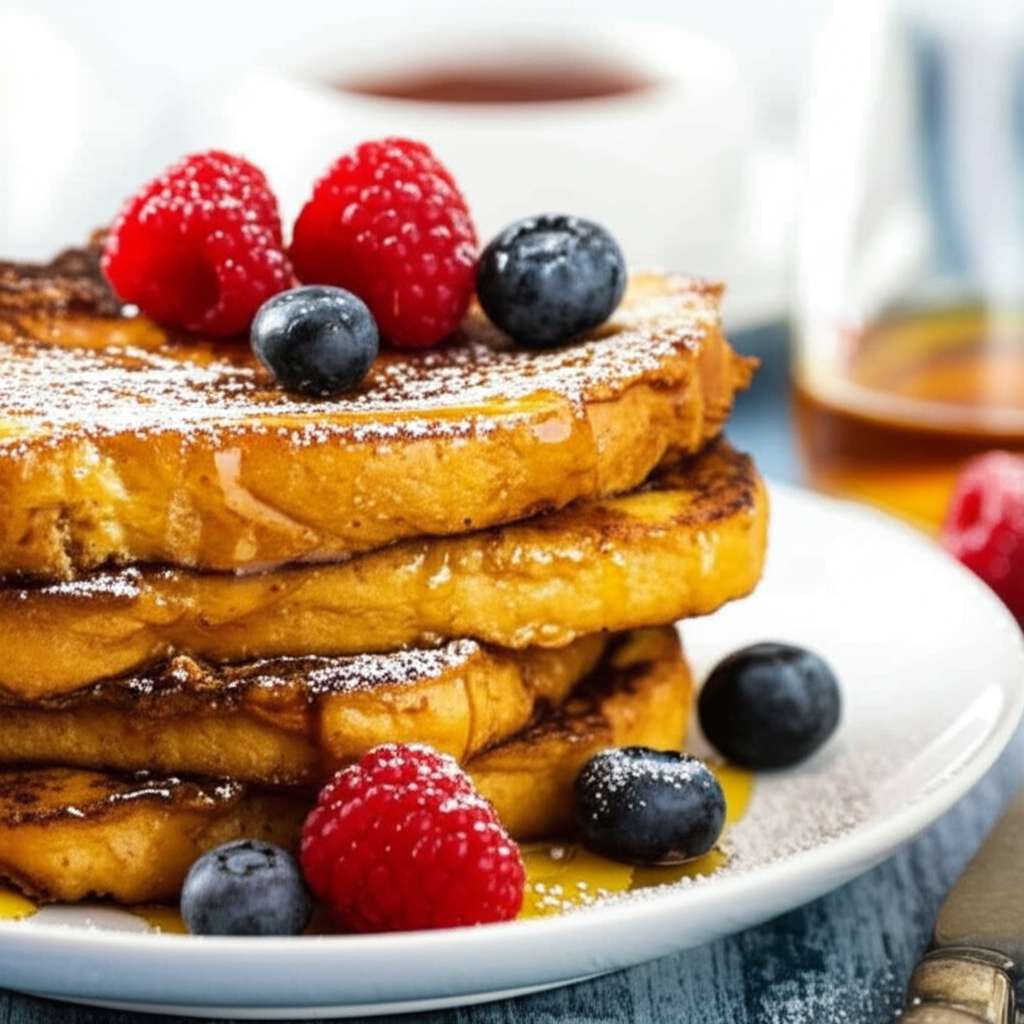
French toast simple recipe: master this amazing, quick delight for a delicious breakfast or brunch. This easy-to-follow guide makes fluffy, golden-brown French toast perfect for any skill level.
Does the thought of making homemade breakfast feel a little … daunting? You’re not alone! Many of us picture complicated steps or exotic ingredients when we think about cooking something special for breakfast.
But what if I told you that you could create an absolutely delightful French toast, golden and delicious, with just a few pantry staples and a little bit of simple magic? It’s true!

This “French toast simple recipe” is your new secret weapon for amazing breakfasts that are surprisingly easy to whip up. Get ready to impress yourself and anyone lucky enough to share your table!
Your Essential French Toast Simple Recipe: The Delicious Breakdown
Welcome to your go-to guide for crafting the most incredible French toast! We’re going to make this so straightforward, you’ll wonder why you ever hesitated. This recipe is all about simplicity, flavor, and that perfect golden crunch.
Think of this as your friendly handshake with beginner-friendly cooking. I’ll walk you through every single step, explaining why we do what we do, so you’re not just following instructions, you’re actually learning and gaining confidence. Let’s get started on this amazing, quick delight!

Why This French Toast Simple Recipe Is a Beginner’s Best Friend
This recipe is designed with you in mind. We’re using ingredients you likely already have in your kitchen, and the steps are so clear, you can practically make it with your eyes closed (though I recommend keeping them open for safety and fun!).
It’s proof that you don’t need fancy equipment or culinary school degrees to make something truly delicious. This is about real food, made easy, for real life.
Gather Your Simple Ingredients: The Magic Mix
The beauty of a good French toast recipe lies in its humble ingredients. You’ll be surprised how these everyday items come together to create something so incredibly tasty!
Here’s what you’ll need:
- Bread: About 4-6 slices of slightly stale bread. Day-old bread is perfect because it soaks up the custard without falling apart. Challah, brioche, or even thick-cut white bread work wonderfully!
- Eggs: 2 large eggs. These are the binder that holds our delicious custard together.
- Milk: 1/2 cup of milk. Whole milk gives the richest flavor, but 2% or even a non-dairy alternative like almond or soy milk will work.
- Sugar: 1 tablespoon of granulated sugar. Just a touch for sweetness.
- Vanilla Extract: 1 teaspoon of vanilla extract. This is where a lot of that comforting aroma comes from!
- Cinnamon: 1/2 teaspoon of ground cinnamon. A classic flavor pairing with French toast.
- Butter: 1-2 tablespoons of butter for greasing the pan. Unsalted is usually preferred, but salted is fine if that’s what you have.
- Optional Toppings: Maple syrup, fresh berries, powdered sugar, whipped cream, sliced bananas.
Essential Tools for Your French Toast Adventure
You don’t need a professional kitchen to make amazing French toast. These common tools will get you there:
- Mixing Bowl: A medium-sized bowl for whisking your custard.
- Whisk or Fork: To combine the egg mixture perfectly.
- Shallow Dish or Pie Plate: This is for dipping your bread slices. A pie plate works great!
- Frying Pan or Griddle: A non-stick skillet or a cast-iron pan is ideal. A griddle is fantastic if you’re making a big batch.
- Spatula: For flipping your French toast gently.
- Measuring Cups and Spoons: To get your ingredient ratios just right.
Step-by-Step: Your French Toast Simple Recipe Guide
Now for the fun part! Follow these simple steps, and you’ll have golden, delicious French toast on your plate in no time.
-
Prepare the Custard Mixture
In your mixing bowl, crack the 2 large eggs. Add the milk, granulated sugar, vanilla extract, and cinnamon. Whisk it all together until everything is well combined and there are no streaks of egg white. This is your “custard” – the magical coating for your bread!
-
Prepare the Dipping Dish
Pour the egg mixture into your shallow dish or pie plate. Make sure it’s wide enough to easily lay a slice of bread in without it bending too much. This makes dipping much neater and more effective.
-
Soak the Bread
Take one slice of bread and gently lay it flat in the custard mixture. Let it soak for about 15-30 seconds on the first side. Then, carefully flip it and let it soak for another 15-30 seconds on the second side. You want the bread to absorb the custard but not become completely soggy and fall apart. We’re aiming for moist, not mushy!
-
Heat the Pan
Place your frying pan or griddle over medium heat. Add about 1 tablespoon of butter to the pan. Let it melt and swirl to coat the bottom. You’ll know the pan is ready when the butter is melted and just starting to sizzle gently. Be careful not to overheat the pan, or your French toast will burn too quickly on the outside.
-
Cook the French Toast
Carefully lift the soaked bread slice out of the custard, letting any excess drip back into the dish. Place the bread onto the hot, buttered pan. Cook for about 2-3 minutes per side, until the bottom is golden brown and crisp. You might see little bubbles forming on the surface as it cooks – that’s a good sign!
-
Flip and Cook the Other Side
Using your spatula, gently flip the French toast to the other side. Cook for another 2-3 minutes, or until this side is also golden brown and cooked through. If you’re cooking multiple slices, you might need to add a little more butter to the pan between batches to prevent sticking and ensure even browning.
-
Repeat and Serve
Remove the cooked French toast from the pan and place it on a plate. Repeat steps 3 through 6 with the remaining bread slices, adding more butter to the pan as needed. Serve immediately with your favorite toppings!
Tips for French Toast Success: Making It Even Better
Even with a simple recipe, a few extra tips can elevate your French toast from good to absolutely amazing. These are the little things that make a big difference.
- Stale Bread is Key: Seriously, don’t use fresh bread! Day-old bread has lost some moisture, allowing it to soak up the custard beautifully without turning to mush. If your bread is fresh, you can toast it lightly in a toaster or oven first for a few minutes to dry it out.
- Don’t Over-Soak: While you want the bread to absorb the custard, leaving it in for too long can make it fall apart. A quick dip on each side is usually perfect. If you’re using a very thick bread, it might need a tad longer.
- Medium Heat is Your Friend: Cooking your French toast on medium heat ensures that the inside cooks through by the time the outside is beautifully golden brown. Too high, and you’ll have burnt edges and a cold, eggy center.
- Butter is for Flavor (and Non-Stick!): Don’t be shy with the butter in the pan. It not only prevents sticking but also gives your French toast that delicious, slightly crisp, buttery crust.
- Watch for That Golden Hue: The color is your best guide! Look for a deep golden-brown. If it’s too pale, it needs more time. If it’s very dark, your heat might be too high.
- Keep it Warm: If you’re making a big batch, you can keep the cooked French toast warm in a single layer on a baking sheet in a low oven (around 200°F / 95°C) while you finish the rest.
French Toast Variations: Get Creative!
Once you’ve mastered the basic French toast simple recipe, you can start playing with flavors! Here are a few easy ways to make it your own.
Sweet Additions to the Custard
You can easily customize the custard base. Try adding:
- A pinch of Nutmeg: Complements cinnamon beautifully.
- Orange Zest: A tablespoon of finely grated orange zest adds a bright, citrusy note.
- A different Extract: Almond extract can offer a unique flavor.
Savory French Toast
Believe it or not, you can make French toast savory! Simply omit the sugar and vanilla extract from the custard. You can whisk in a pinch of salt, pepper, garlic powder, or even some grated Parmesan cheese. Serve with a fried egg, bacon, or avocado.
Stuffed French Toast
For a real treat, try “stuffing” your French toast. Make two slices of French toast as directed, but before cooking, spread a thin layer of cream cheese, jam, peanut butter, or Nutella on one slice. Then, top with another slice of bread and carefully dip the whole sandwich into the custard, ensuring it’s well coated. Cook as usual, but be a bit more gentle when flipping.
Challah vs. Brioche: What’s the Difference?
Both challah and brioche are fantastic for French toast because they are rich, eggy, and slightly sweet. This makes them ideal for soaking up custard without becoming soggy. Here’s a quick look:
| Bread Type | Key Characteristics | French Toast Result |
|---|---|---|
| Challah | Braided, eggy, slightly sweet, no dairy (traditionally) | Tender, flavorful, holds its shape well. A classic choice. |
| Brioche | Rich, buttery, eggy, tender crumb. Contains butter and eggs. | Luxuriously soft and moist, with a rich, decadent flavor. |
The Nutritional Scoop: French Toast Explained
French toast can be a part of a balanced breakfast! While it’s a starch and egg-based meal, focusing on whole-grain bread and fresh fruit toppings can boost its nutritional value. For instance, whole wheat bread adds fiber, and berries provide vitamins and antioxidants. Understanding the basics of nutrition can help you make informed choices about your meals.
For example, a common serving of French toast made with white bread and syrup might be higher in refined carbohydrates and added sugars. By choosing whole-grain bread, using milk alternatives, and leaning on fruit for sweetness, you can create a more nutrient-dense breakfast. Resources like the MyPlate initiative from the USDA offer guidance on building healthy meals.
Serving Your Amazing French Toast
Presentation matters, even for a simple breakfast! Here’s how to make your plate look as good as it tastes:
- Classic Maple Syrup: This is the gold standard for a reason. Warm it up slightly for an extra treat.
- A Dusting of Powdered Sugar: Use a sieve or a small mesh strainer for an even, snowy effect.
- Fresh Fruit: Berries (strawberries, blueberries, raspberries) are vibrant and delicious. Sliced bananas or peaches also work beautifully.
- A Dollop of Cream: Whipped cream or Greek yogurt adds creaminess.
- Savory Sides: If you’ve gone the savory route, a side of crispy bacon or sausage, or a perfectly fried egg, completes the meal.
Frequently Asked Questions About French Toast
Here are some common questions beginner cooks have about making French toast. I’ve got the answers to help you out!
Q1: Can I use any kind of bread for French toast?
A: While you can use almost any bread, slightly stale, thicker-cut bread like challah, brioche, or Texas toast is best. Fresh, soft bread tends to fall apart when soaked. Day-old bread is ideal!
Q2: My French toast is soggy. What did I do wrong?
A: This usually happens for one of two reasons: the bread was too fresh (and not dry enough), or it was soaked for too long. Try using older bread and only dipping it for about 15-30 seconds per side. Also, make sure your pan is hot enough before you add the French toast.
Q3: My French toast is burning on the outside but raw on the inside. Help!
A: Your cooking temperature is likely too high. Reduce the heat to medium. A common mistake is turning the heat up too high, thinking it will cook faster. Medium heat allows the inside to cook through by the time the outside is perfectly golden.
Q4: How do I get my French toast nice and fluffy?
A: The fluffiness comes mainly from the bread structure and the custard. Using good quality, slightly dense bread like challah or brioche, and not over-soaking it, helps maintain a good structure. Ensure your eggs and milk are well whisked into a smooth custard.
Q5: Can I make the French toast batter ahead of time?
A: Yes, you can whisk together the egg, milk, sugar, and spice mixture a day in advance and store it in the refrigerator. This can actually help the flavors meld! Just give it another quick whisk before you start dipping your bread.
Q6: How do I reheat leftover French toast?
A: For the best results, reheat French toast in a toaster oven or a regular oven at around 350°F (175°C) for a few minutes until warmed through. This helps it regain some crispness. Microwaving can make it soggy.
A Note on Kitchen Safety
When you’re cooking, especially when you’re starting out, safety is super important. Always be mindful when using the stove. Make sure pot handles are turned inward, away from the edge of the counter, so they don’t get bumped. If you’re using a non-stick pan, avoid using metal utensils that can scratch the surface. And of course, always handle raw eggs carefully and wash your hands thoroughly afterward.
Becoming comfortable in the kitchen comes with understanding these simple safety practices. They’re just as much a part of cooking as measuring flour!
Bringing It All Together: Your French Toast Journey
See? Making amazing French toast is totally within your reach. You’ve got the simple recipe, the essential tools, a rundown of how to do it step-by-step, and even some tips to make it extra special. Remember, cooking is a journey, and each dish you make is a chance to learn and grow more confident.
This “French toast simple recipe” is perfect for a lazy weekend morning, a special brunch, or even a quick weeknight treat when you crave something comforting. Don’t be afraid to experiment with toppings or variations once you feel good about the basics.
So, gather your ingredients, put on some cheerful music, and dive in! You’re about to create a simple, yet incredibly satisfying, breakfast delight. Enjoy every golden, delicious bite!