
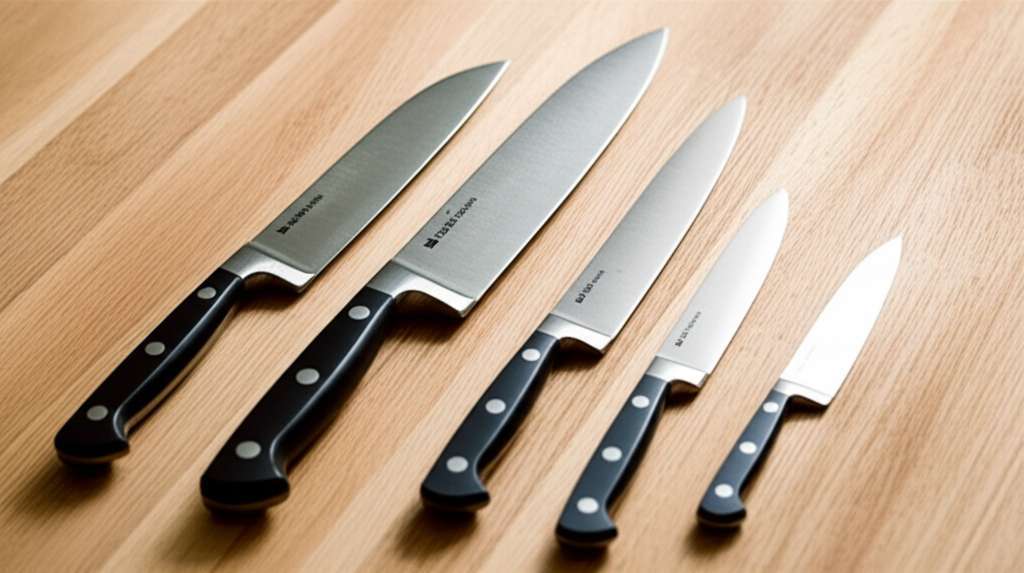
Choosing the right kitchen knife is simple when you know what to look for! This guide breaks down essential knife types, how to hold them, and key features to consider, helping you confidently select the perfect knife for any cooking task and boost your kitchen skills.
Stepping into a kitchen supply store or browsing online can feel overwhelming when it comes to knives. So many shapes, sizes, and brands! It’s easy to feel a little lost, wondering which one is right for you. But don’t worry, you’re not alone. Many home cooks start their journey feeling this way.
This guide is here to be your friendly kitchen companion. We’ll walk through everything you need to know, step-by-step, in a way that’s easy to understand. We’ll cover the must-have knives, how to hold them safely, and what makes a good knife feel great in your hand. By the end, you’ll have the confidence to pick the perfect knife and start chopping like a pro!
The Essential Kitchen Knife Guide for Beginners
Picking the right kitchen knife is like finding a good friend for your cooking adventures. It makes everything easier, safer, and more enjoyable. A good knife feels balanced, cuts smoothly, and helps you prepare ingredients with confidence. Let’s explore what makes a knife great and how to find yours.
Why the Right Knife Matters
Using a knife that’s not suited for the job can be frustrating. A dull knife requires more force, making it slippery and potentially dangerous. The wrong shape can make tasks like mincing herbs or slicing tomatoes a chore. When you have the right tools, your prep work becomes quicker, cleaner, and even fun!
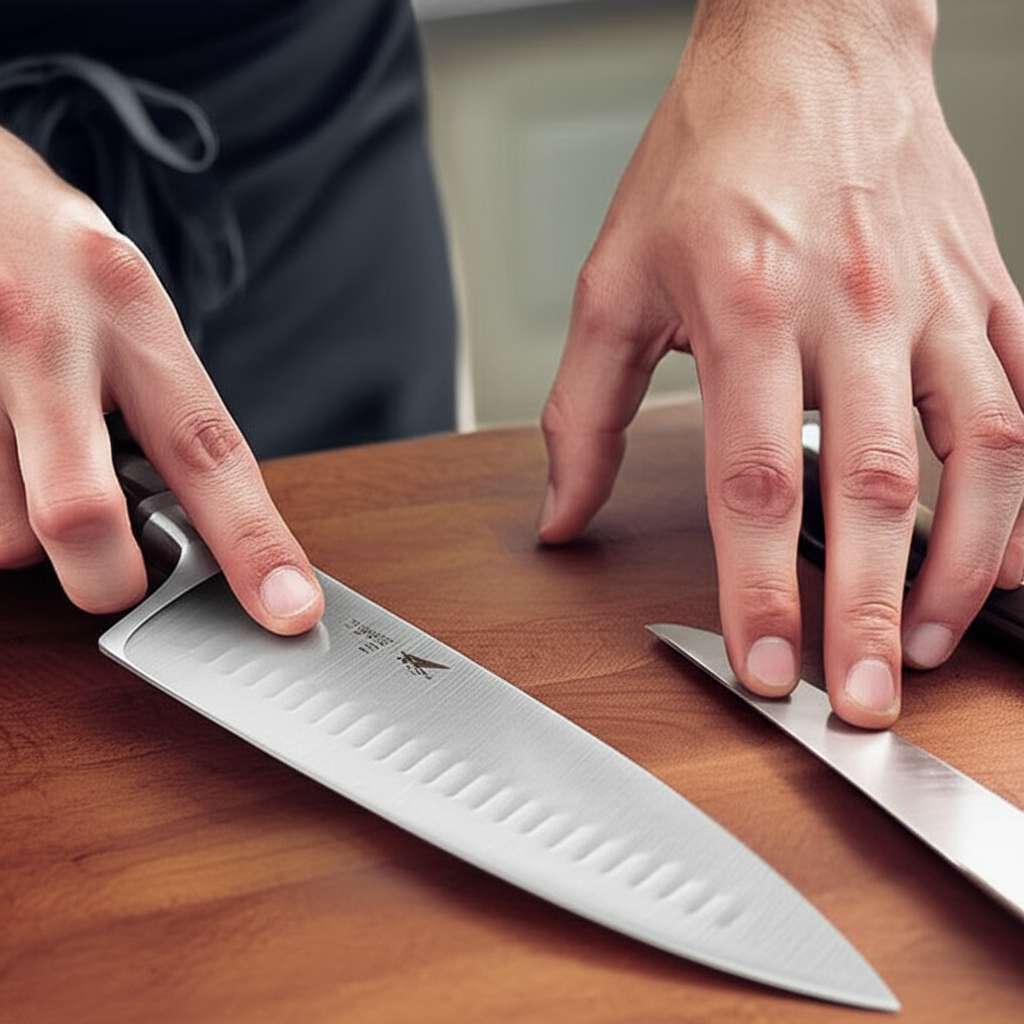
Think about it: a chef’s knife is a workhorse for chopping and slicing, while a paring knife is perfect for small, delicate tasks. Having the right knife for each job not only saves you time but also helps you achieve better results, making your meals look and taste fantastic. It’s a foundational skill that builds kitchen confidence.
Understanding Knife Anatomy: What’s What?
Before we dive into choosing, let’s get familiar with the parts of a kitchen knife. Knowing these terms will help you understand what to look for.
- Blade: This is the sharp part! Blades come in different lengths and shapes depending on their purpose.
- Edge: The very tip of the blade that does the cutting. It can be smooth (straight) or serrated (like a saw).
- Tip: The pointed end of the blade, useful for delicate tasks or piercing.
- Heel: The part of the blade closest to the handle. It’s often the widest part.
- Spine: The top, unsharpened edge of the blade.
- Bolster: A thick band of metal between the blade and the handle. It adds weight and balance, and protects your fingers.
- Tang: The part of the blade that extends into the handle. A full tang (extending all the way through) is generally more durable and balanced.
- Handle: What you hold! It should feel comfortable and provide a secure grip.
- Butt/Pommel: The end of the handle.
The Must-Have Knives for Every Kitchen
You don’t need a drawer full of knives to be a capable cook. A few well-chosen knives can handle 90% of your kitchen tasks. Here are the essentials:
1. The Chef’s Knife
This is your kitchen MVP! A chef’s knife is a versatile all-rounder, perfect for chopping, slicing, dicing, and mincing. Most home cooks will find a 6- to 8-inch blade to be ideal. It’s sturdy enough for tougher jobs but nimble enough for most everyday tasks.
When to use it: Chopping vegetables, slicing meat, dicing onions, mincing garlic, and breaking down poultry.
2. The Paring Knife
This small knife, usually with a 3- to 4-inch blade, is your go-to for precision work. Its small size gives you excellent control for peeling fruits and vegetables, deveining shrimp, or hulling strawberries. It’s for those delicate jobs your chef’s knife is too big for.
When to use it: Peeling apples, coring tomatoes, slicing small fruits, trimming herbs, and detailed cutting.
3. The Serrated Knife (Bread Knife)**
A serrated knife has a blade with a saw-like edge. This makes it fantastic for cutting through foods with tough exteriors and soft interiors, like bread, tomatoes, and citrus fruits, without crushing them. It grips the surface and slices through cleanly.
When to use it: Slicing crusty bread, ripe tomatoes, oranges, lemons, and even cakes.
What to Look for When Buying a Knife
Now that you know the essential types, let’s talk about what makes a knife a good choice. Don’t get caught up in fancy marketing; focus on these practical points.
1. Material: Blade and Handle
Blade Material:
Most good knives are made from high-carbon stainless steel. This offers a great balance of durability, sharpness, and resistance to rust. Avoid knives labeled simply “stainless steel,” as they might be softer and dull faster. Some premium knives use ceramic, which stays sharp for a very long time but can be brittle.
Handle Material:
Handles can be made of wood, plastic, composite materials, or metal.
Wood: Beautiful and comfortable, but requires more care and can warp or crack if not maintained.
Plastic/Composite: Durable, easy to clean, and often offer a good grip.
* Metal: Can be sleek but might become slippery when wet.
2. Weight and Balance
A good knife should feel like an extension of your hand. It shouldn’t feel too heavy or too light. The weight should be balanced, usually around the bolster area, where the blade meets the handle. This balance helps with control and reduces fatigue during longer prep sessions. Try holding a few different knives to see how they feel. A knife with a full tang (where the metal of the blade runs all the way through the handle) often offers better balance and durability.
3. Comfort and Grip
This is super important! The handle should fit comfortably in your hand. It shouldn’t feel sharp, slippery, or awkward. Whether you have small hands or large hands, you need a handle that allows for a secure and comfortable grip. This prevents slips and makes your cutting more precise and safer.
4. Blade Sharpness and Edge Type
A sharp knife is a safe knife. Always prioritize a knife that holds its edge well. For most home cooks, a smooth (straight) edge is best for general chopping and slicing. A serrated edge is specialized for sawing through certain foods. If you’re buying a chef’s knife, ensure it has a fine, smooth edge.
For maintaining sharpness, consider investing in a good honing steel or a knife sharpener. Regular honing keeps your blade aligned and sharp between professional sharpening. For more on knife care, check out resources from organizations like the FDA on food safety practices.
5. Construction: Forged vs. Stamped
Knives are made in two main ways:
- Forged: Made from a single piece of steel that is heated and hammered into shape. These knives are typically heavier, more durable, and often have a bolster. They are usually more expensive.
- Stamped: Cut from a large sheet of steel, like a cookie cutter. These knives are lighter and less expensive. They are still good quality, especially for home use, but might not feel as robust as forged knives.
Both can be excellent choices for home cooks. The key is how well they are made and how they feel in your hand.
How to Hold Your Knife Safely and Effectively
The way you hold your knife makes a huge difference in control and safety. There are a couple of common grips:
The Pinch Grip
This is the most recommended grip for good control.
- Grip the handle firmly with your last three fingers.
- Pinch the blade where it meets the handle (the bolster or heel) with your thumb and index finger.
- Your wrist should be relaxed, and your index finger should curve gently around the blade.
This grip gives you excellent control over the blade’s movement.
The Handle Grip
This is a more basic grip where you simply wrap all your fingers around the handle. It’s less precise than the pinch grip and can lead to less control, especially for beginners. It’s okay to start with this, but try to move to the pinch grip as you get more comfortable.
The Importance of the Cutting Board
Your cutting board is just as important as your knife!
- Wood or Bamboo: These are great for most knives. They are gentle on blades and have a nice feel. They require proper cleaning and drying to prevent bacteria growth.
- Plastic: Easy to clean and sanitize. However, they can dull knives faster over time as they tend to get deeply scored.
- Avoid Glass or Stone: Never use these! They will instantly dull and damage your knife’s edge.
Make sure your cutting board is stable on your counter. Place a damp paper towel or a non-slip mat underneath it if it tends to slide.
Step-by-Step: Choosing Your First Essential Knife
Let’s make this practical. You’re going to buy one or two essential knives today. Here’s how to approach it.
- Identify Your Biggest Need: What do you cook most often? If you chop lots of veggies and proteins, start with a chef’s knife. If you struggle with peeling and small tasks, a paring knife might be your first pick. Most beginners will benefit most from a good chef’s knife.
- Set a Budget: Good knives can be an investment, but you don’t need to spend a fortune. For a decent starter chef’s knife, expect to spend anywhere from $30 to $100. A good paring knife can be found for $15 to $40.
- Visit a Store (If Possible): The best way to choose is to hold the knife. Feel its weight, balance, and how the handle fits your hand. Don’t be afraid to pick up several different brands and models.
- Check the Blade: Look for a smooth, clean blade with no visible nicks or imperfections. A full tang is a good sign of quality.
- Assess the Handle: Does it feel comfortable? Is it slippery? Does it offer a secure grip for your hand size?
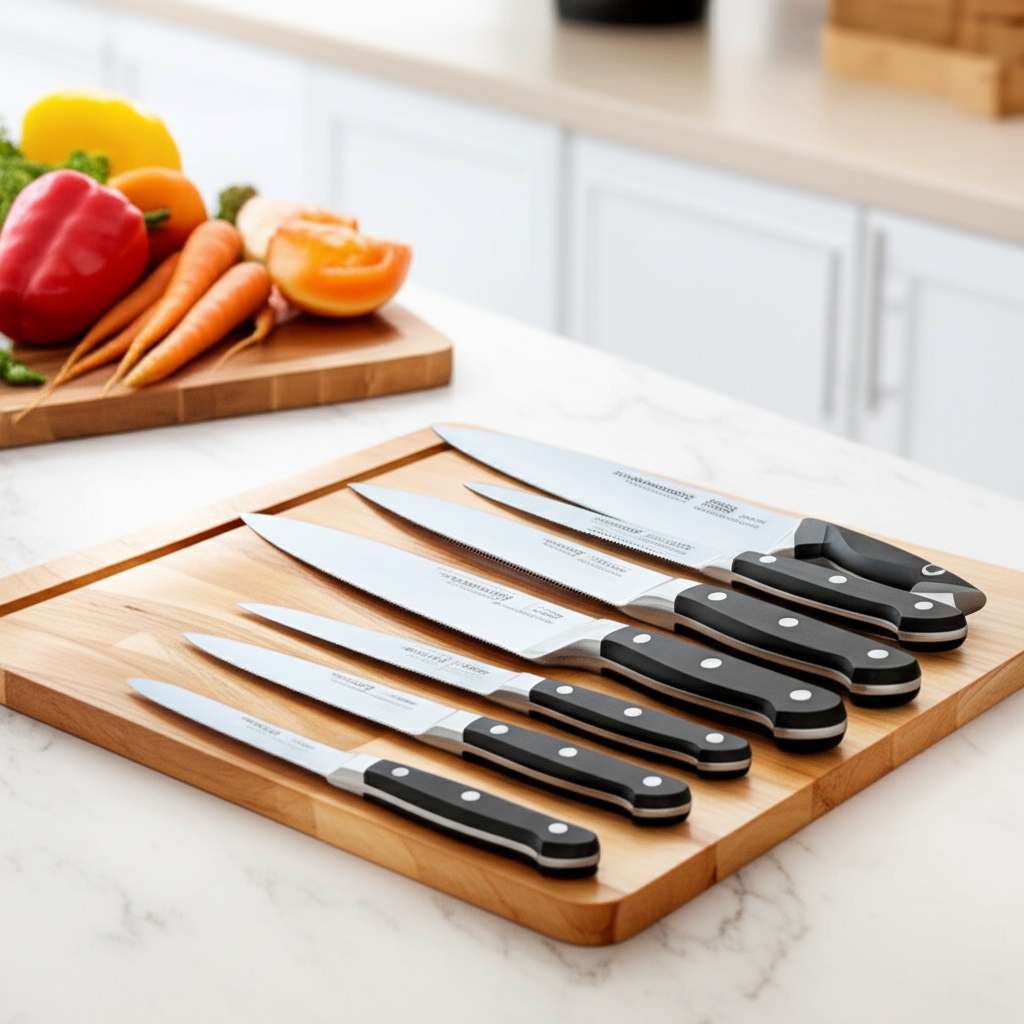
- Consider a Set (with Caution): While knife sets can seem convenient, you often end up paying for knives you’ll never use. It’s usually better to buy individual essential knives and build your collection slowly.
- Read Reviews: If buying online, read reviews from other home cooks. Look for comments on durability, sharpness, and comfort.
Common Beginner Mistakes & Quick Fixes
- Mistake: Buying the cheapest knife available.
Fix: Even a slightly higher price can get you much better quality steel and construction, making a huge difference in performance and safety. - Mistake: Not trying the knife in hand before buying.
Fix: If possible, always hold the knife. If online, research brands known for ergonomic handles and good balance. - Mistake: Getting a knife that’s too large or too small.
Fix: For a chef’s knife, 6-8 inches is generally best for most home cooks. For a paring knife, 3-4 inches is standard.
Pro Tips for Knife Confidence
- Start with Sharpness: Always ensure your knives are sharp. A dull knife is more dangerous than a sharp one. Invest in a honing steel and learn to use it, or find a local sharpening service.
- One Good Chef’s Knife is Enough: Seriously, a single, well-balanced chef’s knife can handle most tasks. Don’t feel pressured to buy a huge block of knives right away.
- Safety First, Always: Never try to catch a falling knife. Always cut away from yourself. Keep your fingers tucked when chopping (the “claw” grip).
- Wash by Hand: Most good knives should be washed by hand with warm, soapy water and dried immediately. Dishwashers can damage the blade and handle and dull the edge over time.
- Store Safely: Don’t just toss knives into a drawer where they can bang against each other and become dull or dangerous. Use a knife block, magnetic strip, or blade guards.
- Practice Makes Progress: Don’t be afraid to practice. Start with softer items like zucchini or bananas, then move to onions and potatoes. Every chop is a step toward mastery!
Knife Types at a Glance
Here’s a quick look at some common knife types and their primary uses. While we’ve focused on the essentials, knowing these can help you understand the vast world of knives.
| Knife Type | Blade Length (Typical) | Primary Use | Best For |
|---|---|---|---|
| Chef’s Knife | 6-12 inches | All-purpose chopping, slicing, dicing | Versatile tasks, from mincing garlic to slicing roasts |
| Paring Knife | 3-4 inches | Small, precise tasks | Peeling, trimming, detailed work like hulling strawberries |
| Serrated Knife (Bread Knife) | 8-10 inches | Sawing through tough exteriors, soft interiors | Bread, tomatoes, citrus, cakes |
| Utility Knife | 4-7 inches | In-between paring and chef’s knife tasks | Slicing smaller fruits, vegetables, or sandwiches |
| Santoku Knife | 5-7 inches | Dicing, mincing, slicing (often with Granton edges) | Similar to chef’s knife but often lighter with a straighter edge; great for chopping vegetables |
| Boning Knife | 5-6 inches | Removing meat from bones | Working around bones of poultry, fish, and meat |
| Fillet Knife | 6-11 inches | Filleting fish | Thin, flexible blade for separating fish flesh from bones |
Frequently Asked Questions About Choosing Kitchen Knives
What is the most important knife to own for a beginner?
The most important knife for a beginner is the chef’s knife. It’s incredibly versatile and can handle about 90% of your daily kitchen tasks, from chopping vegetables to slicing meats. Aim for a 6 to 8-inch blade for comfortable control.
How much should I spend on my first good knife?
You don’t need to break the bank. A good quality chef’s knife can be found for between $30 and $100. This range offers excellent durability, sharpness, and comfort for everyday cooking. Investing a bit more here will pay off in performance and longevity.
What does ‘full tang’ mean and why is it important?
‘Full tang’ means the metal of the blade extends all the way through the handle. This construction makes the knife more durable, balanced, and stronger. It’s a sign of good quality and can contribute to better control while you’re cooking.
Is it okay to buy a knife set?
Knife sets can seem like a good deal, but you often end up with knives you won’t use. It’s generally better to buy individual essential knives, like a chef’s knife and a paring knife, and build your collection over time. This ensures you only get what you truly need and use.
How do I keep my knives sharp?
Regularly honing your knife with a steel rod will keep the edge aligned and sharp for daily use. For true sharpening, use a whetstone or an electric sharpener every few months, or when you notice the knife isn’t cutting as cleanly. A sharp knife is a safe knife!
Can I put my knives in the dishwasher?
It’s best to avoid the dishwasher for good knives. The harsh detergents can dull the blade, damage the handle (especially if it’s wood), and the bumping against other items can chip the edge. Handwashing with warm, soapy water and drying immediately is the way to go.
What’s the difference between a chef’s knife and a santoku?
A chef’s knife typically has a curved blade that rocks back and forth for chopping. A Santoku, a Japanese-style knife, usually has a straighter edge and a blunter tip, often featuring Granton (dimpled) edges to help food release. Both are great for general tasks, but the feel and cutting motion differ slightly.
Choosing the right kitchen knife doesn’t have to be complicated. By understanding the basic types, what makes a knife feel good in your hand, and focusing on a few essentials, you’re well on your way to becoming more confident in the kitchen. Remember that practice is key, and every time you chop, slice, or dice, you’re building a valuable skill.
Enjoy the journey of building your kitchen confidence, one perfectly cut ingredient at a time!