
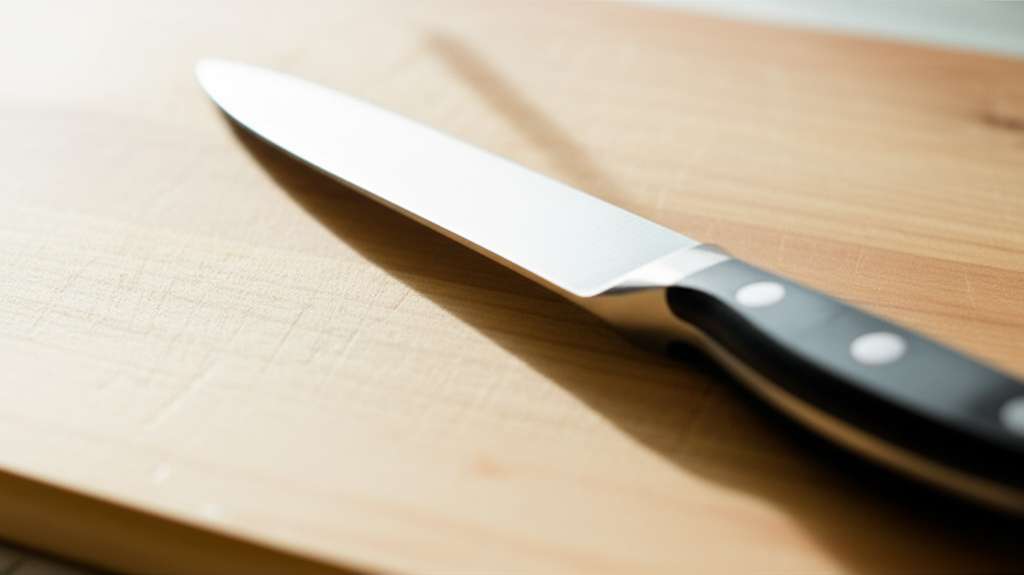
Learn how to clean a knife safely with these brilliant tips! This guide offers simple steps, expert advice, and clear instructions to keep your kitchen tools sharp and your hands safe.
Why Cleaning Your Knife Safely Matters
Knives are amazing kitchen tools, but they can feel a little intimidating, especially when it comes to cleaning them. You might worry about cutting yourself or damaging the blade. It’s totally normal to feel that way when you’re starting out!
But don’t you worry! Cleaning your knife safely is easier than you think. This guide will walk you through every step, making sure you feel confident and in control. We’ll cover the best tools, the safest methods, and even some common slip-ups to avoid. Get ready to build your kitchen confidence, one clean knife at a time!
Gathering Your Knife Cleaning Toolkit
Before we dive into the cleaning steps, let’s make sure you have everything you need. Having the right tools makes the job much easier and safer. Think of this as preparing your little workstation for a smooth operation.
You don’t need fancy gadgets; just a few simple items will do the trick. These are the everyday essentials that will help you keep your knives in top shape.

What You’ll Need:
- A soft sponge or dishcloth
- Mild dish soap
- A clean, dry towel (preferably lint-free)
- Warm running water
- (Optional) A gentle knife cleaner or baking soda paste for tough spots
Remember, the goal is to clean effectively without being harsh on your blade. We want to protect that sharp edge and keep your knife looking its best for years to come.
Step-by-Step: How to Clean a Knife Safely
Now for the main event! This is where we get down to business, focusing on safety and a thorough clean. Follow these steps, and you’ll be a knife-cleaning pro in no time. Take your time, breathe, and remember that each step is designed to protect you and your knife.
- Rinse the Blade: First, rinse the knife under warm running water. This helps to wash away any loose food particles and makes the actual washing part much easier. Keep the blade pointing away from you.
- Apply Soap: Put a small amount of mild dish soap onto your damp sponge or dishcloth. Avoid applying soap directly to the blade itself, as it can make it slippery.
- Wipe Away from the Blade: This is the most crucial safety step. Hold the knife firmly by the handle, with the blade pointing away from your body and hands. Gently wipe the blade from the spine (the dull top edge) down towards the tip. Always wipe in one direction, away from the sharp edge. Never wipe towards the sharp edge!

- Clean the Handle: Don’t forget the handle! Give it a good wash with the soapy sponge to remove any food residue or grease. A clean handle means a better grip next time you use it.
- Rinse Thoroughly: Rinse the entire knife under warm running water, making sure all soap residue is gone. Again, keep the blade pointing away from you.
- Dry Immediately and Carefully: This is another key safety step. Use a clean, dry towel to gently dry the blade, starting from the spine and wiping down towards the tip, just like you did when cleaning. It’s important to dry it right away to prevent water spots and rust, especially for carbon steel knives.
- Inspect and Store: Once it’s completely dry, give your knife a quick look-over. Make sure it’s spotless. Then, store it safely in a knife block, magnetic strip, or blade guard. Never leave knives loose in a drawer where they can get damaged or cause accidental cuts.
Common Beginner Mistakes & Quick Fixes
It’s easy to make little mistakes when you’re learning, and that’s perfectly okay! The important thing is to recognize them and know how to adjust. Here are a few common slip-ups and how to handle them:
- Mistake: Letting the knife soak in the sink. This is a big no-no! It’s a major safety hazard, as you or someone else could accidentally reach into the soapy water and cut themselves. Plus, prolonged soaking can damage certain knife materials.
Fix: Always wash knives immediately after use and dry them thoroughly. If you must leave a knife to soak briefly, keep it separate from other dishes and be extremely careful when retrieving it.
- Mistake: Putting knives in the dishwasher. Many home cooks do this, but it’s not ideal. The high heat and harsh detergents can dull the blade, damage the handle (especially if it’s wood or composite), and the force of the water can cause the knife to bang against other items, chipping the edge. It’s also a safety risk when unloading.
Fix: Hand wash your knives! It’s gentler, safer, and extends the life of your valuable kitchen tools.
- Mistake: Wiping the blade towards the sharp edge. This is the most dangerous mistake you can make and is a common cause of kitchen cuts. Your fingers are likely to follow the path of the cloth.
Fix: Always, always, always wipe from the spine of the blade down towards the tip, or from the bolster (where the blade meets the handle) towards the tip. Keep your hands on the handle and guide the cloth with gentle, controlled movements.
- Mistake: Using abrasive scrubbers or steel wool. These can scratch the blade, especially if it has a special coating or a polished finish. They can also dull the edge over time.
Fix: Stick to soft sponges or dishcloths. For stubborn bits, try soaking the knife briefly or using a paste of baking soda and water, then gently scrub with your soft sponge.
Pro Tips for a Sparkling Clean Knife
Want to go the extra mile? Here are a few little tricks that seasoned cooks use to keep their knives in perfect condition. These aren’t complicated, but they make a difference!
- Dry Thoroughly: Even a tiny bit of moisture can lead to rust or dulling, especially on carbon steel knives. Use a clean, soft towel and make sure the entire blade and handle are bone dry.
- Mind Your Blade Material: Stainless steel is more resistant to rust, but carbon steel knives require a bit more attention. They can develop a patina over time, which is normal, but they will rust if left wet.
- Tackle Stuck-On Food Promptly: If you have something really stubborn, like dried egg or dough, let the knife soak in warm, soapy water for just a few minutes (but don’t leave it in the sink unattended!). Then, use the soft side of your sponge.
- Keep Your Dish Soap Mild: Harsh detergents can strip away protective oils and dry out handles. A gentle, everyday dish soap is usually best.
- Don’t Forget the Handle: A clean handle means a better, safer grip. Make sure to scrub around any rivets or joints where food can hide.
- Sharpening After Cleaning: Once your knife is clean and dry, it’s the perfect time to give it a quick touch-up with a honing steel if needed. A sharp knife is actually safer than a dull one because it requires less force to cut.
Understanding Knife Types and Their Care
Different knives have different needs, but the basic cleaning principles remain the same. Knowing a little about your knives can help you care for them even better. Here’s a quick look at some common types:
| Knife Type | Common Use | Blade Material Considerations | Cleaning Tip |
|---|---|---|---|
| Chef’s Knife | All-purpose chopping, slicing, mincing | Often stainless steel, but can be carbon steel. | Wash and dry immediately. For carbon steel, ensure it’s completely dry to prevent rust. |
| Paring Knife | Peeling fruits and vegetables, small intricate tasks | Usually stainless steel. | Easy to clean due to its size. Just a quick wash and dry. |
| Serrated Knife (Bread Knife) | Slicing bread and tomatoes | Typically stainless steel. The serrations can trap food. | Use a small brush (like an old toothbrush) to get into the serrations after washing with a sponge. Dry carefully. |
| Santoku Knife | Dicing, slicing, mincing (Asian-style chef’s knife) | Can be stainless steel or carbon steel. Some have granton edges (dimples). | Similar care to a chef’s knife. Ensure the granton edges are clean and dry. |
| Boning Knife | Separating meat from bone | Often stainless steel, designed to be flexible. | Clean thoroughly around the flexible blade. Dry to prevent corrosion, especially near the handle. |
No matter the type, the golden rule is always gentle cleaning and immediate, thorough drying. This simple routine will keep your knives performing beautifully.
Frequently Asked Questions About Knife Cleaning
Got more questions? We’ve got answers! Here are some common queries beginners have about keeping their knives clean and safe.
- Can I wash my knife in the sink?
- It’s best to avoid leaving knives to soak in a sink full of water. Wash them by hand right after use. If you must soak, do it separately and be very careful.
- How often should I clean my knife?
- Clean your knife after every single use. Leaving food on the blade can lead to staining, dulling, and even rust, especially if it’s an acidic food.
- What if my knife has rust spots?
- For minor rust spots on stainless steel, you can try a paste of baking soda and water, gently scrubbed with a soft sponge. For stubborn rust or on carbon steel, you might need a specialized knife cleaner or a very fine grit sandpaper (use with extreme caution and check manufacturer advice).
- Should I oil my knives?
- This is mainly for carbon steel knives. After cleaning and drying, a very light coat of food-grade mineral oil can help protect the blade from moisture and prevent rust. Stainless steel usually doesn’t require oiling.
- How do I dry my knife without cutting myself?
- Hold the knife firmly by the handle. Use a clean, dry towel. Start at the spine of the blade (the dull top edge) and wipe downwards towards the tip. Keep your fingers away from the sharp edge at all times.
- Are all knives dishwasher safe?
- Generally, no. Dishwashers can be too harsh for knife blades and handles, leading to dulling, chipping, and damage. Hand washing is always the safest and best method for maintaining your knives.
- What’s the difference between cleaning and sanitizing?
- Cleaning removes visible dirt and food particles. Sanitizing reduces the number of harmful microorganisms to safe levels. For most home use, thorough cleaning with hot, soapy water is sufficient. For extra assurance, you can rinse with a diluted vinegar solution or very hot water after cleaning.
Your Knife-Washing Journey Begins!
See? Cleaning a knife safely isn’t a scary task at all. It’s a simple routine that ensures your tools are ready for action, your food is prepped hygienically, and most importantly, you stay safe in your kitchen.
By following these straightforward steps, you’re building a foundation of good kitchen habits. Every time you wash your knife carefully, you’re not just cleaning; you’re practicing mindfulness and respect for your tools. Keep practicing, and you’ll find that this process becomes second nature, bringing you more joy and confidence with every slice.