
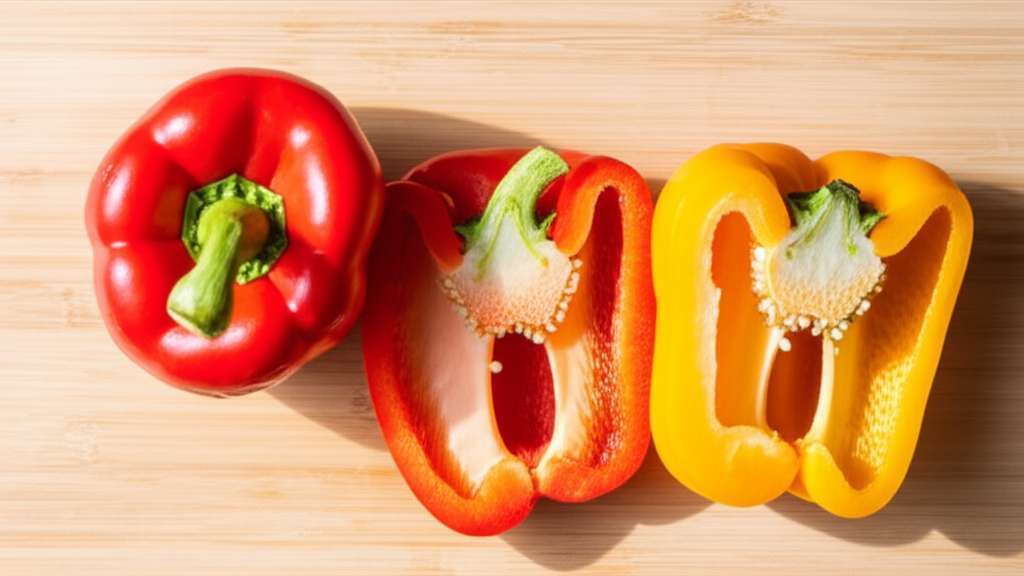
Learn how to cut bell peppers without waste using simple, step-by-step methods and clever tips to maximize your yield and enjoy every delicious bit.
Bell peppers are colorful stars in so many dishes, but their unique shape can make them a little tricky to chop. It’s easy to feel like you’re tossing out more than you’re using, especially when you’re just starting out in the kitchen. Don’t worry, though! This guide is here to make cutting bell peppers feel super simple and totally waste-free.
We’ll cover everything you need to know, from the best tools to use to the easiest ways to slice and dice. By the end, you’ll have the confidence to tackle any bell pepper recipe and feel great about making the most of your ingredients. Let’s dive in and turn those kitchen worries into kitchen wins!
Why Cutting Bell Peppers Can Feel Tricky
Those beautiful, curved walls of a bell pepper seem to hide a lot of seeds and membranes. For beginners, figuring out the best way to get to the usable flesh without losing too much can feel like a puzzle. You might be wondering how to hold it safely, where to make the first cut, and what to do with those oddly shaped bits.
It’s completely normal to feel a little unsure. Many experienced cooks have learned these tricks through trial and error! Our goal here is to give you clear, straightforward instructions so you can feel confident and capable. We’ll break down the process into easy steps, share some handy tips, and even show you what to do with those smaller pieces so nothing goes to waste.
Gather Your Kitchen Tools
Before we start cutting, let’s make sure you have the right tools. Having the proper equipment makes a big difference in safety and efficiency. You don’t need anything fancy, just a few basics.
- Sharp Chef’s Knife: A sharp knife is actually safer than a dull one because it requires less pressure to cut, reducing the chance of slips. A chef’s knife, with its broad blade, is perfect for most chopping tasks.
- Cutting Board: A stable, non-slip cutting board is essential for safety. Wood or plastic boards work well.
- Small Bowl: This will be handy for collecting your chopped pepper.
- Optional: Paring Knife: A smaller knife can be helpful for trimming and getting into tight spots, but a good chef’s knife can do the job.
The Best Way to Cut Bell Peppers: Step-by-Step
There are a few popular methods for cutting bell peppers, but we’ll focus on one that’s fantastic for beginners and minimizes waste. This method helps you get the most usable pepper flesh while keeping things safe and straightforward.
Step 1: Prepare Your Bell Pepper
Start by rinsing your bell pepper under cool water. Gently pat it dry with a clean kitchen towel or paper towel. This ensures a good grip and prevents the knife from slipping on a wet surface. Place the pepper on your cutting board.
Step 2: Make the First Cut
Hold the pepper steady with one hand. With your sharp chef’s knife, make a straight cut down through the top of the pepper, just below the stem. Then, make another straight cut down through the bottom. You’ll essentially be cutting off the top and bottom portions. Don’t worry about the seeds yet; we’ll get to those!
Step 3: Slice Down the Sides
Now, stand the pepper up on its cut bottom. You’ll see the natural curves of the pepper. Position your knife where the flat side meets the curved side. Slice downwards, following the curve of the pepper, to remove one of the large, flat “panels” of pepper flesh. Repeat this on the other three sides. You should end up with four large, mostly seed-free panels.
Beginner Mistake: Trying to cut the pepper in half horizontally first. This can be wobbly and make it harder to control your knife. Cutting off the top and bottom and then slicing down the sides gives you more stability.
Quick Fix: If your pepper is rolling, make a tiny slice off one side to create a flat base before you start cutting. This gives you a stable surface to work on.
Step 4: Remove the Core and Seeds
Take the remaining central core (where the stem was attached) and turn it upside down over your small bowl. Use your knife to carefully cut around the base of the stem to release any attached pepper flesh. The seeds and membranes will fall into the bowl. You can also gently scrape out any remaining seeds and white pith from the panels you cut in Step 3 with your fingers or the tip of your knife.
Safety Reminder: Always cut away from your body. Keep your fingers curled under when holding the pepper or guiding the knife.
Step 5: Prepare for Chopping
Lay each pepper panel flat on your cutting board. If the panels are very large, you can cut them in half. This makes them easier to handle and dice uniformly. Ensure the cut side is facing down for stability.
Step 6: Slice and Dice
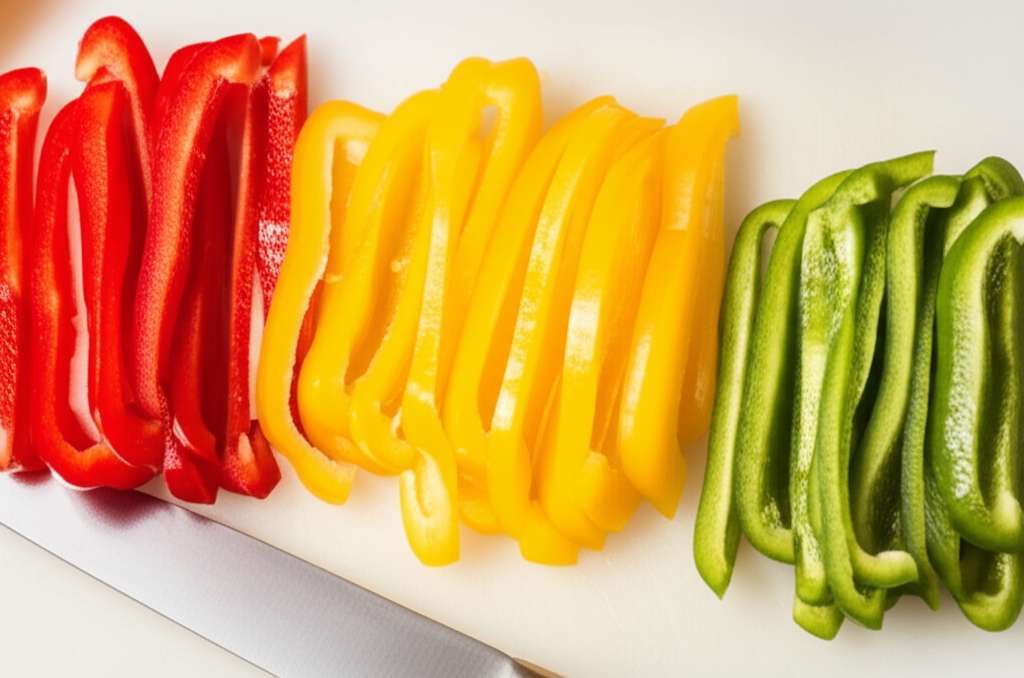
To slice, hold the pepper panel firmly. Make thin, even slices across the width of the panel. For dicing, first make several parallel slices, then cut across those slices to create cubes. You can make your cuts as thick or as thin as your recipe requires. Aim for consistent sizes so they cook evenly.
The smaller, irregular bits you might have trimmed off at the edges or around the core can be chopped finely and added to your main pile. They’re perfectly good to eat!
What to Do with the Scraps
Even with the best cutting techniques, there might be a few small bits left. Don’t toss them! These little pieces are packed with flavor.
- Finely Mince: Chop any remaining pieces very finely and add them to stir-fries, sauces, or omelets where their size won’t matter.
- Roast Them: Toss them with a little oil, salt, and pepper and roast them in the oven until tender and slightly caramelized.
- Make a Broth: Keep pepper scraps (along with other vegetable trimmings like onion skins and carrot peels) in a bag in your freezer. Once you have enough, you can simmer them to make a flavorful vegetable broth. The U.S. Department of Agriculture offers great guidance on safe food storage and preparation.
Pro Tips for Bell Pepper Success
Here are a few extra tips to make your bell pepper cutting even smoother and more efficient:
- Color Matters: Red, yellow, and orange peppers are sweeter than green ones because they are more mature. Green peppers are essentially unripe, so they have a slightly more bitter taste and crunchier texture.
- Uniformity is Key: Try to cut your peppers into similarly sized pieces. This ensures they cook evenly, whether you’re sautéing them for fajitas or adding them to a salad.
- Don’t Overcrowd: When cooking chopped peppers, make sure your pan isn’t too crowded. Overcrowding steams the peppers instead of sautéing them, making them soggy rather than crisp-tender.
- Wash First: Always wash your peppers before cutting, even if you plan to peel them. You don’t want to transfer any dirt or pesticides from the skin to the flesh. The Food and Drug Administration (FDA) has excellent resources on washing produce.
- Storage Smart: Whole, uncut bell peppers can be stored in the crisper drawer of your refrigerator for about a week. Once cut, they’re best used within 2-3 days and should be stored in an airtight container.
Bell Pepper Cutting Methods Compared
Let’s look at a couple of ways to cut bell peppers and why the panel method is often preferred for beginners focused on reducing waste.
| Method | Description | Pros | Cons | Waste Factor |
|---|---|---|---|---|
| Panel Method (Recommended) | Cutting off top/bottom, then slicing down the sides to create flat panels, then dicing. | Maximizes usable pepper flesh, stable to cut, easy to dice uniformly. | Requires a few more cuts than simply halving. | Very low; easily utilizes small trimmings. |
| Halving and Seeding | Cutting the pepper in half vertically or horizontally, then scooping out seeds and membranes. | Quick to cut in half, good for stuffing recipes. | Can be unstable to cut, harder to get all membranes cleanly, often leaves more awkward bits to trim. | Moderate; often requires extra trimming of membranes and curved edges. |
| Core Removal First | Attempting to cut the core out from the top or bottom before slicing. | Can be fast if done perfectly. | Difficult for beginners, high risk of slips, often uneven cuts, and can leave seeds/membranes attached. | High; difficult to get a clean cut around the core without sacrificing flesh. |
Frequently Asked Questions About Cutting Bell Peppers
Q: Is it safe to cut bell peppers with a dull knife?
A: No, it’s actually less safe. A dull knife requires more force, making it more likely to slip. Always use a sharp knife for cleaner cuts and better control.
Q: How do I prevent my bell pepper from slipping while cutting?
A: Make sure your cutting board is stable and not wet. Pat the pepper dry before you begin. If the pepper is round and rolls, you can make a tiny slice off one side to create a flat base for stability.
Q: What are those white stringy things inside bell peppers?
A: Those are the membranes, and they hold the seeds. They are edible, but many people prefer to remove them because they can be slightly bitter. They’re easy to scrape out with your fingers or a knife after you’ve cut the pepper into panels.
Q: Can I eat the skin of a bell pepper?
A: Yes, you can eat the skin. It’s nutritious and perfectly safe. Some people prefer to peel them for certain dishes, especially if they find the skin a bit tough, but washing them thoroughly is key.
Q: How should I store cut bell peppers to keep them fresh?
A: Store cut bell peppers in an airtight container in the refrigerator. They are best used within 2 to 3 days for optimal freshness and flavor.
Q: What’s the best way to dice bell peppers uniformly?
A: After cutting the pepper into flat panels, lay them flat. Make even, parallel slices across the panel. Then, turn your knife 90 degrees and cut across those slices to create cubes. Aim for consistent width in both your initial slices and your cross-cuts.
Q: I cut myself while chopping. What should I do?
A: For minor cuts, wash the area gently with soap and water, apply pressure with a clean cloth or bandage, and keep it clean to prevent infection. If the cut is deep or bleeding heavily, seek medical attention. Always prioritize safety in the kitchen.
You’ve Mastered Bell Peppers!
See? Cutting bell peppers without waste is totally achievable with a few simple techniques. You’ve learned how to safely prepare your pepper, slice it into usable panels, and dice it with confidence. Plus, you’ve got some great ideas for using up those little bits that might have ended up in the trash before.
Every time you practice this, you’ll get faster and more comfortable. Enjoy the process, celebrate your progress, and get ready to add delicious, colorful bell peppers to all your favorite meals!