
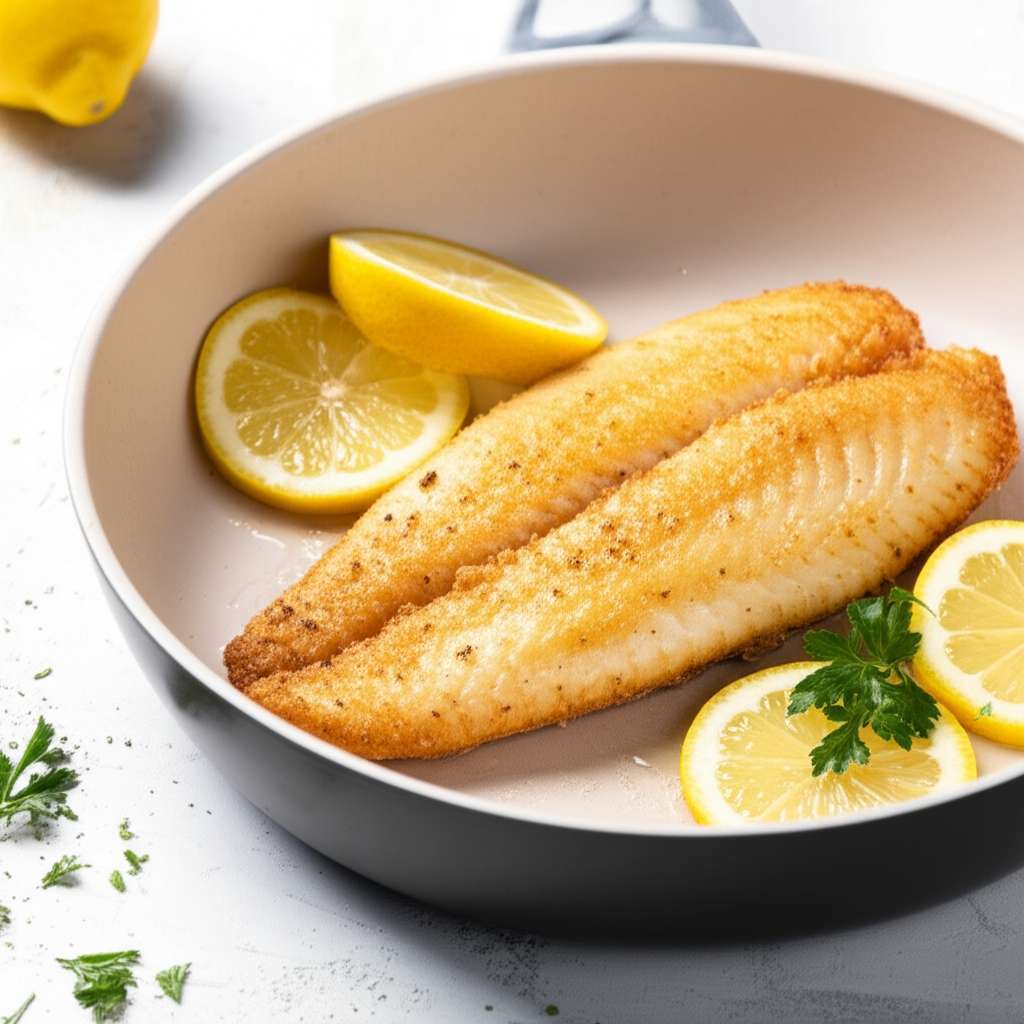
To fry fish without breaking, start with dry, seasoned fillets and a hot, well-oiled pan. Handle the fish gently, avoid overcrowding the pan, and let it cook undisturbed to form a crust before flipping carefully.
Frying fish might seem a little tricky, especially when you see those beautiful, intact fillets in restaurants. For many home cooks, the thought of the fish breaking apart in the pan can feel intimidating. It’s easy to worry about making a mess or wasting good ingredients. But don’t let that stop you! This guide is here to walk you through every step with a friendly hand, making sure you can achieve perfect, golden-brown fish every time.
We’ll cover everything from choosing the right fish and preparing it to the best pan-frying techniques. You’ll learn about the simple tools you need, how to get your pan just right, and what to do if things don’t go perfectly. By the end of this guide, you’ll have the confidence to fry fish beautifully, turning those kitchen worries into delicious successes.
Choosing and Preparing Your Fish for Frying
The first step to perfectly fried fish is picking the right kind and getting it ready. Not all fish are created equal when it comes to frying, and how you prepare it makes a big difference. We want a fish that holds its shape and has a nice texture when cooked.
Best Fish for Pan-Frying
For beginners, it’s best to choose fish that are a bit firmer and have a good amount of moisture. These types are more forgiving and less likely to fall apart. Think of fish that have a nice, meaty texture.
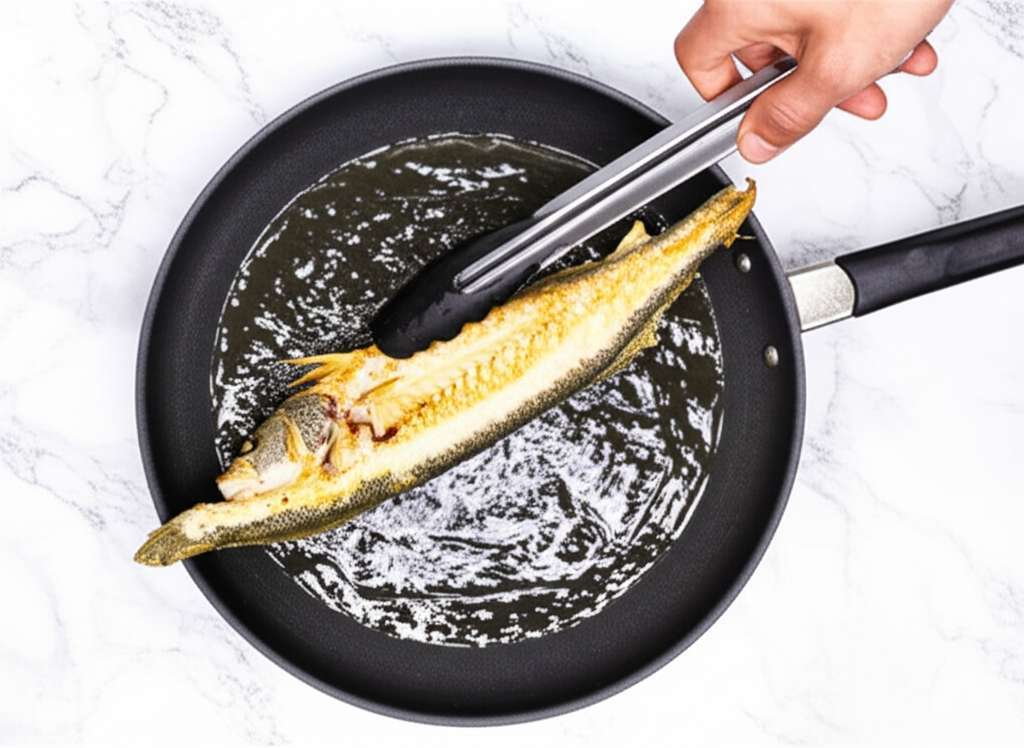
- Cod: A classic choice, cod is mild and flaky but firm enough to hold up well in the pan.
- Haddock: Similar to cod, haddock is a popular choice for fish and chips, offering a lovely flavor and texture.
- Tilapia: This is a very mild and affordable fish that fries up beautifully. It’s delicate but can work well if handled gently.
- Salmon: While a bit richer, salmon fillets are quite sturdy and fry up wonderfully, developing a delicious crispy skin.
- Trout: Often found as whole fish or fillets, trout has a lovely flavor and its flesh is firm enough for frying.
Getting Your Fish Ready
Once you have your fish, a little preparation goes a long way. The key is to make sure the surface of the fish is dry. Moisture is the enemy of a good sear and can cause the fish to stick and break.
First, gently pat your fish fillets completely dry with paper towels. Get into all the nooks and crannies. Then, season them generously on both sides with salt and pepper. If you like, you can also lightly coat them in a bit of flour or cornstarch. This helps create a barrier, making the fish crispier and even more resistant to breaking apart.
Essential Tools for Perfect Pan-Fried Fish
You don’t need fancy equipment to fry fish successfully. A few basic tools will make the job much easier and safer. Having the right gear helps you handle the fish with confidence.
Your Frying Toolkit
- Heavy-Bottomed Skillet: A cast-iron skillet or a good quality stainless steel pan is ideal. These pans heat evenly and hold their temperature well, which is crucial for frying.
- Spatula: A wide, thin spatula, preferably metal or heat-resistant silicone, is your best friend for gently lifting and flipping the fish.
- Tongs: Good quality tongs allow you to grip the fish securely without piercing it, making it easier to place in and remove from the pan.
- Paper Towels: As mentioned, these are essential for drying your fish thoroughly.
- Plate or Wire Rack: Have a plate lined with paper towels or a wire rack set over a baking sheet ready for the cooked fish.
The Art of Frying: Step-by-Step
Now for the main event! Frying fish is all about managing heat and handling the fish with care. We’ll go through it one simple step at a time, focusing on creating that perfect crust and keeping your fillets whole.
- Heat Your Pan: Place your skillet over medium-high heat. Add enough cooking oil (like vegetable, canola, or peanut oil) to generously coat the bottom of the pan, about 2–3 tablespoons. Let the oil heat up until it shimmers, but before it starts to smoke. A good test is to drop a tiny piece of fish into the oil; if it sizzles immediately, the oil is ready.

- Carefully Place the Fish: Gently lay the seasoned fish fillets into the hot oil. Lay them away from you to avoid splashing hot oil. Don’t overcrowd the pan! Cook in batches if necessary. Overcrowding lowers the oil temperature and causes the fish to steam instead of fry, making it more likely to break.
- Let it Sear: This is the most important part for preventing breakage. Resist the urge to move or poke the fish for at least 3–5 minutes, depending on the thickness. Let it cook undisturbed until a beautiful golden-brown crust forms on the bottom. This crust is what holds the fish together.
- The Flip: When the edges of the fish start to look opaque and golden, it’s time to flip. Slide your spatula carefully under one end of the fillet. If it resists, it’s not ready yet – give it another minute. Once you can lift it easily, flip it over with a smooth, confident motion. You can use tongs to help steady the fillet as you flip.
- Cook the Other Side: Fry the second side for another 3–5 minutes, or until the fish is cooked through and flakes easily with a fork. The exact time will depend on the thickness of your fillet. For thicker fillets, you might need to reduce the heat slightly after flipping to ensure the inside cooks without burning the outside.
- Drain and Serve: Once cooked, carefully remove the fish from the pan using your spatula or tongs. Place it on your prepared plate lined with paper towels or on a wire rack to drain any excess oil. Serve immediately and enjoy your perfectly fried fish!
Common Beginner Mistakes & Quick Fixes
- Mistake: Fish sticks to the pan and breaks when trying to flip.
Fix: Your pan wasn’t hot enough, or you tried to flip too soon. Ensure the oil is shimmering and let the fish sear undisturbed for a full 3–5 minutes to develop a crust before attempting to flip.
- Mistake: Fish is burnt on the outside but raw inside.
Fix: Your heat was too high. After the initial sear, reduce the heat to medium to allow the inside to cook through without burning the exterior. Thicker fillets might benefit from a brief stint in a preheated oven (around 375°F or 190°C) after searing both sides.
- Mistake: Fish is soggy and greasy.
Fix: The pan was likely overcrowded, or the oil temperature was too low. Ensure you’re frying in batches and that the oil is hot enough to sizzle instantly when the fish is added. Draining on a wire rack instead of paper towels can also help keep the crust crisp.
Pro Tips for Flawless Fried Fish
Here are a few extra nuggets of wisdom to help you fry fish like a pro:
- Dry is Key: I can’t stress this enough – thoroughly drying your fish with paper towels is the most crucial step for achieving a beautiful, non-stick crust.
- Don’t Crowd the Pan: Give each fillet space. Frying in batches might take a little longer, but it ensures each piece fries perfectly and doesn’t stick or break.
- Use the Right Oil: Choose an oil with a high smoke point, such as canola, vegetable, peanut, or grapeseed oil. These can handle the higher temperatures needed for frying without burning.
- Listen to Your Fish: The sizzle is your guide! A vigorous, steady sizzle means the temperature is right. If it’s too quiet, it’s not hot enough; if it’s sputtering violently, it might be too hot.
- Gentle Handling: Treat your fish with respect. Use a wide spatula and tongs to move and flip it as little as possible.
- Consider a Dredge: A light coating of flour, cornmeal, or even finely crushed crackers before frying adds an extra layer of protection and crispiness.
Comparing Frying Techniques: Pan-Frying vs. Deep-Frying
While this guide focuses on pan-frying, it’s helpful to understand how it compares to other methods. Pan-frying is generally more accessible for home cooks.
| Feature | Pan-Frying | Deep-Frying |
|---|---|---|
| Oil Usage | Moderate (enough to coat the pan bottom) | High (enough to fully submerge the food) |
| Equipment | Skillet, spatula, tongs | Deep fryer or large, deep pot; spider strainer or slotted spoon |
| Ease of Flipping | Requires careful technique to avoid breaking | Easier to handle with a strainer/spoon, less risk of breaking during cooking |
| Crispiness | Good, especially on the seared sides | Excellent, all-around crispiness |
| Health Aspect | Generally considered slightly healthier due to less oil absorption | Can absorb more oil, potentially making it less healthy |
| Beginner Friendliness | Requires attention to detail and gentle handling to prevent breaking | Can be simpler for beginners to manage food placement and removal once oil is at temperature, but safety with large amounts of hot oil is paramount. Refer to safe deep-frying guidelines from sources like FoodSafety.gov. |
Frequently Asked Questions About Frying Fish
What is the best oil temperature for frying fish?
The ideal temperature is around 350°F to 375°F (175°C to 190°C). If you don’t have a thermometer, test by dropping a tiny bit of breading or a small piece of fish into the oil. It should sizzle immediately and vigorously.
Why does my fish keep sticking to the pan?
This usually happens when the pan or oil isn’t hot enough, or when you try to move the fish too soon. The fish needs time to form a crust, which acts as a natural non-stick layer. Make sure the pan is properly preheated and let the fish sear undisturbed.
What’s the safest way to flip fish?
Use a wide, thin spatula to get underneath the fillet. Lift gently and, with a confident, smooth motion, flip the fish over. You can also use tongs to help steady the fillet as you flip, minimizing the chance of it breaking.
How can I prevent oil splatter when frying fish?
Ensure your fish fillets are very dry. Moisture is the main cause of splattering. Also, carefully place the fish into the hot oil, laying it away from you. Avoid overcrowding the pan, as this can also increase splattering.
How do I know when the fish is cooked through?
The fish will be opaque throughout and will flake easily when gently pressed with a fork. The cooking time varies greatly depending on the thickness of the fillet, typically 3–5 minutes per side for most standard fillets.
Can I reuse frying oil?
Yes, you can reuse frying oil if it hasn’t been burnt or doesn’t have too many small particles in it. Let it cool completely, strain it through a fine-mesh sieve or cheesecloth into a clean container, and store it in a cool, dark place. For best results, reuse oil within a few days.
How should I store leftover fried fish?
Allow the fried fish to cool completely before storing. Place it in an airtight container and refrigerate for up to 2–3 days. For best results, reheat it in a hot oven or a skillet to help crisp it up again, rather than using a microwave.
You’ve learned the secrets to frying fish without it breaking apart! We’ve covered how to pick the best fish, prepare it for the pan, use the right tools, and master the gentle art of frying. Remember that each step, from drying the fish to letting that crust form, plays a vital role in achieving that perfect, intact fillet.
Don’t be discouraged if your first attempt isn’t flawless. Cooking is a journey, and practice makes progress. Every time you fry fish, you’ll get a little more comfortable, a little more confident. Keep trying, and soon you’ll be frying fish beautifully, creating delicious meals with ease.