
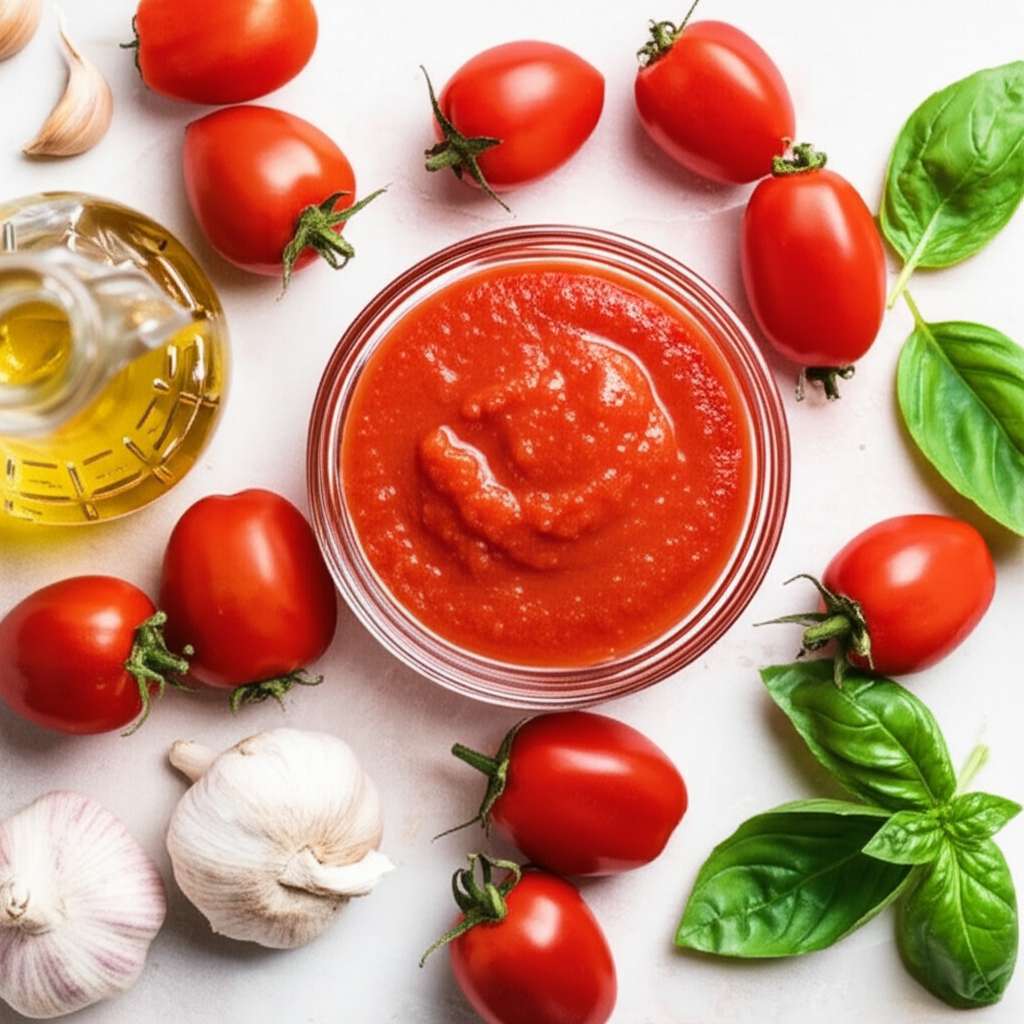
Learn how to make amazing tomato sauce from scratch with this easy, beginner-friendly guide. Master simple techniques and fresh ingredients for incredible flavor, transforming your cooking with confidence.
Making tomato sauce from scratch might sound a little daunting at first. You might worry about the right ingredients, the cooking times, or even just chopping an onion without tears! But here at CookCanvas, we believe every cook, no matter their experience level, can create delicious, homemade sauces. This guide will gently walk you through every single step, making the process clear, safe, and even enjoyable. We’ll cover the basic tools you’ll need, how to prepare your ingredients with confidence, and simple techniques to unlock amazing flavor.
Why Make Tomato Sauce From Scratch?
Sure, jarred tomato sauce is quick and convenient. But have you ever tasted the difference that fresh ingredients and a little bit of love can make? Homemade tomato sauce bursts with vibrant, fresh flavor that store-bought options just can’t match. It’s a foundational skill that opens up a world of culinary possibilities, from pasta dishes and pizzas to soups and stews. Plus, you have complete control over what goes into your sauce – no hidden sugars or artificial ingredients!
Gathering Your Ingredients & Tools
Before we dive into the cooking, let’s make sure you have everything you need. Don’t worry if you don’t have professional-grade equipment; everyday kitchen items will work perfectly!
Essential Ingredients:
- Tomatoes: About 2-3 pounds of ripe, flavorful tomatoes. Roma (plum) tomatoes are excellent for sauce because they have less water and fewer seeds. San Marzano tomatoes are a top choice if you can find them!
- Aromatics: 1 medium yellow onion, 3-4 cloves of garlic.
- Olive Oil: 2-3 tablespoons of extra virgin olive oil for sautéing.
- Seasoning: Salt and freshly ground black pepper to taste.
- Herbs (Optional but Recommended): A few sprigs of fresh basil or oregano, or 1 teaspoon of dried Italian seasoning.
- A Touch of Sweetness (Optional): A pinch of sugar or a drizzle of honey can balance the acidity of the tomatoes.
Essential Tools:
- Cutting Board: A stable surface for chopping.
- Chef’s Knife: A good quality knife makes chopping much easier and safer.
- Large Pot or Dutch Oven: For simmering the sauce.
- Wooden Spoon or Spatula: For stirring.
- Measuring Spoons and Cups: For accuracy.
- Fine-Mesh Sieve or Food Mill (Optional): For a smoother sauce.
Step-by-Step: How To Make Tomato Sauce From Scratch
Now for the fun part! Let’s get cooking. Remember to take your time and enjoy the process.
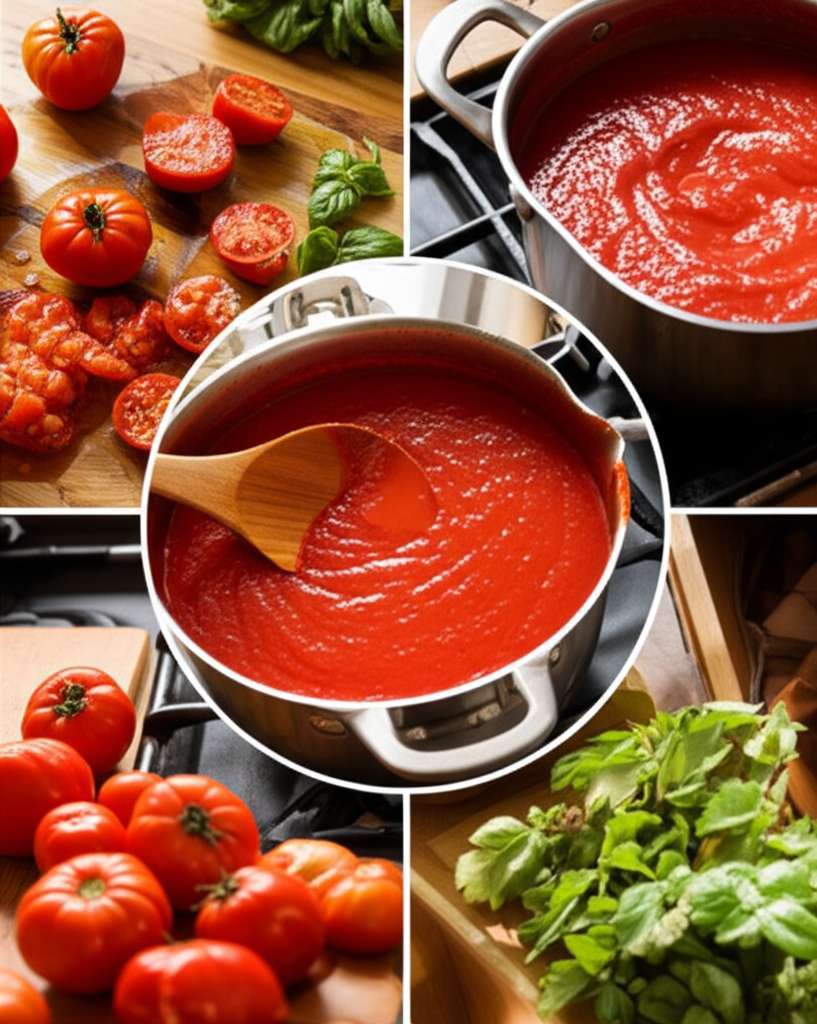
- Prepare Your Tomatoes: Wash your tomatoes thoroughly. To make them easier to peel, score an “X” on the bottom of each tomato with your knife. Then, blanch them by dropping them into boiling water for about 30-60 seconds, until the skins start to loosen. Immediately transfer them to an ice bath (a bowl of ice water) to stop the cooking. The skins should slip off easily.
- Chop Your Aromatics: Finely dice the onion and mince the garlic. Uniform pieces will cook evenly. If you’re new to chopping onions, don’t worry if your pieces aren’t perfect! The goal is to break them down so they become soft and sweet in the sauce.
- Sauté the Aromatics: Heat the olive oil in your pot or Dutch oven over medium heat. Add the diced onion and cook until it becomes translucent and soft, about 5-7 minutes. This process, called sautéing, brings out the natural sweetness of the onion. Then, add the minced garlic and cook for another minute until fragrant, being careful not to burn it.
- Add the Tomatoes: Roughly chop the peeled tomatoes and add them to the pot. If you prefer a smoother sauce, you can pass the tomatoes through a food mill or purée them briefly in a blender before adding them. For a chunkier sauce, just chop and toss them in!
- Season and Simmer: Add your salt, pepper, and any dried herbs you’re using. Stir everything together. Bring the sauce to a gentle simmer, then reduce the heat to low, cover, and let it cook for at least 30 minutes, or up to 1.5 hours. The longer it simmers, the more the flavors will meld and deepen. Stir occasionally to prevent sticking.
- Add Fresh Herbs (Optional): If using fresh basil or oregano, stir them in during the last 10-15 minutes of cooking. This preserves their bright, fresh flavor.
- Adjust Seasoning and Texture: Taste your sauce. Does it need more salt or pepper? A pinch of sugar to balance the acidity? If you want a smoother consistency, you can use an immersion blender directly in the pot, or carefully transfer batches to a regular blender. For an ultra-smooth sauce, press it through a fine-mesh sieve.
Beginner Mistakes & Quick Fixes:
- Mistake: Garlic burned. If your garlic smells bitter, it’s likely burned. It’s hard to fix, but you can try adding a bit more olive oil and a pinch of sugar to mellow the harshness. Next time, add garlic in the last minute of sautéing and watch it closely!
- Mistake: Sauce is too watery. This often happens if you use very juicy tomatoes or didn’t simmer long enough. Simmer the sauce uncovered for an extra 15-30 minutes to allow some of the liquid to evaporate.
- Mistake: Sauce is too acidic. Tomatoes can vary in acidity. A small pinch of sugar, a drizzle of honey, or even a tiny bit of baking soda (start with 1/4 teaspoon and taste!) can help neutralize excess acidity.
Pro Tips for Amazing Flavor
Here are a few little secrets to make your homemade tomato sauce even more spectacular:
- Quality Tomatoes Matter: Using the freshest, ripest tomatoes you can find is the biggest flavor booster.
- Don’t Rush the Sauté: Letting the onions cook down until soft and sweet (this is called caramelizing!) adds a wonderful depth of flavor to the sauce.
- A Little Heat Goes a Long Way: A pinch of red pepper flakes added with the garlic can give your sauce a lovely subtle warmth.
- Enrich with Fat: A swirl of good quality olive oil at the end, or even a small pat of butter, can add a luxurious richness.
- Layer Your Herbs: Use dried herbs during the simmer for a deeper flavor, and add fresh herbs at the end for brightness.
- Taste, Taste, Taste! Seasoning is personal. Taste your sauce throughout the cooking process and adjust as needed.
Understanding Your Knife Skills
A good knife is your best friend in the kitchen. For making sauce, you’ll mainly be dicing onions and mincing garlic, and potentially chopping tomatoes. Here’s a quick look at some basic knife concepts:
| Knife Type | Primary Use in Sauce Making | Key Technique Tip |
|---|---|---|
| Chef’s Knife | Dicing onions, chopping tomatoes, mincing garlic (if not using a smaller knife). | Hold the handle firmly with your dominant hand, and curl your fingertips inward on the blade (the “claw grip”) to protect them while guiding the knife. Make smooth, rocking motions. |
| Paring Knife | Scoring tomatoes, mincing garlic (for small hands or delicate tasks). | Excellent for smaller, more precise cuts. Maintain a firm grip on both the knife and the ingredient you are cutting. |
| Santoku Knife | Similar to a Chef’s knife, good for slicing, dicing, and mincing. | Often has a straighter edge and a granton edge (dimples) to prevent food from sticking. Use a gentle up-and-down motion. |
Remember, safety first! Always cut on a stable cutting board, keep your fingers tucked under, and ensure your knife is sharp. A sharp knife is actually safer than a dull one because it requires less force and is less likely to slip.
For more in-depth guidance on knife safety and techniques, you can explore resources from professional culinary institutions like the Culinary Institute of America.
Frequently Asked Questions (FAQ)
How long does homemade tomato sauce last?
Once cooled, store your homemade tomato sauce in an airtight container in the refrigerator for up to 3-4 days. For longer storage, you can freeze it for up to 3-4 months.
Can I use canned tomatoes if I don’t have fresh ones?
Absolutely! Canned whole peeled tomatoes (especially San Marzano) are a fantastic and convenient option for making sauce. Drain them slightly before adding them to the pot, and they will yield a delicious result.
What is the best type of tomato for sauce?
Paste tomatoes like Roma or San Marzano are ideal because they have less water and fewer seeds, resulting in a thicker, richer sauce. However, any ripe, flavorful tomato can work!
My sauce is bitter, what did I do wrong?
Bitterness often comes from burned garlic or onions. Always sauté aromatics over medium-low heat and watch them closely. If it’s too bitter, try adding a pinch of sugar or a tiny bit of baking soda to help neutralize the flavor.
How do I make my sauce smoother?
For a smoother sauce, you can use an immersion blender directly in the pot, or carefully transfer the sauce to a regular blender. Alternatively, for a very silky texture, press the sauce through a fine-mesh sieve after cooking.
Can I add other vegetables to my tomato sauce?
Yes, definitely! Carrots, celery, bell peppers, or even zucchini can be finely diced and sautéed with the onions to add more flavor and nutrients. Just be sure to chop them small so they cook down nicely.
How can I store extra sauce?
Cool the sauce completely, then portion it into airtight containers or freezer-safe bags. It freezes beautifully and is perfect for quick weeknight meals. You can also can it for long-term shelf stability, following proper canning guidelines from resources like the USDA Food Safety website.
Enjoy Your Homemade Creation!
You’ve done it! You’ve taken simple ingredients and transformed them into a delicious, homemade tomato sauce. This guide has shown you that making something wonderful from scratch is absolutely achievable, even for beginners. Remember that cooking is a journey, and every time you practice these steps, you’ll build more confidence and skill in your kitchen. So, savor the amazing flavor you’ve created, and get ready to impress yourself with your next culinary adventure!