
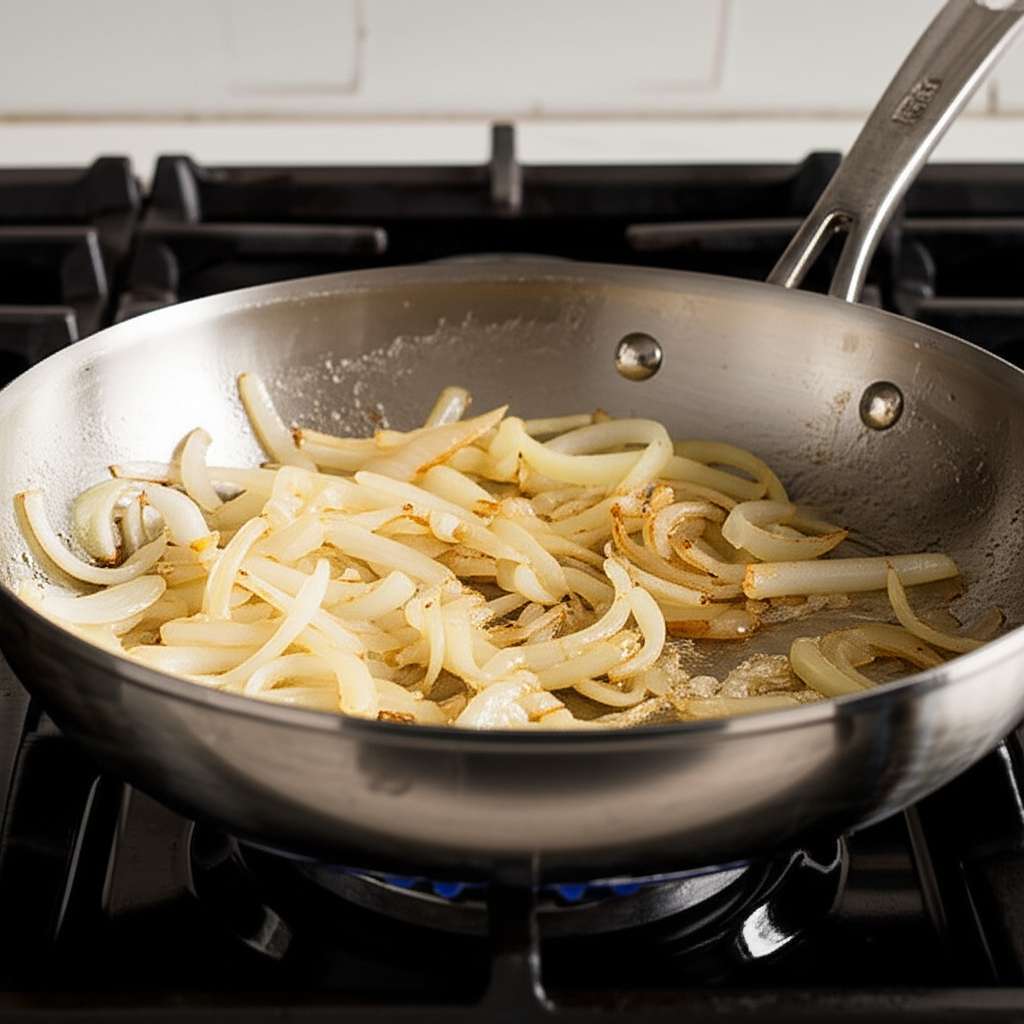
Sauté onions perfectly every time! Learn this foolproof method to get sweet, tender onions without any burnt bits, building your kitchen confidence one delicious dish at a time.
Ah, onions. They’re the aromatic backbone of so many incredible meals, from soups and stews to stir-fries and sauces. But for many beginners, the thought of cooking them can bring a little flutter of anxiety. Will they burn? Will they turn mushy? It’s a common hurdle, and you’re definitely not alone if you’ve ended up with sad, charred bits instead of golden-brown perfection. But don’t worry! This guide is here to gently lead you through the simple steps to sauté onions like a pro, ensuring delicious results without the stress. We’ll cover everything you need to know, from the right tools to the magic of low and slow heat.
Why Sautéing Onions Can Be Tricky
Onions are wonderfully versatile, but they’re also a bit delicate when it comes to heat. Their natural sugars caramelize, which is what gives them that lovely sweet flavor and golden color. However, these same sugars can burn very quickly if the heat is too high or if you’re not paying attention. It’s a fine line between perfectly softened and sadly scorched. This guide is designed to give you the confidence to walk that line with ease, turning what might feel like a challenge into a simple, rewarding cooking technique.
What You’ll Need: Your Sautéing Toolkit
Gathering your ingredients and tools before you start is a big part of cooking success. It means you can focus on the steps without scrambling for something mid-way. For sautéing onions, you don’t need anything fancy, just a few essentials.
Ingredients:
- 1-2 medium yellow or sweet onions (these are great for beginners as they are less pungent and sweeten nicely)
- 1-2 tablespoons cooking oil (like olive oil, canola oil, or vegetable oil – choose one with a medium-high smoke point)
- A pinch of salt (optional, but helps draw out moisture and enhance flavor)
Equipment:
- A sharp chef’s knife or santoku knife
- A cutting board
- A medium-sized skillet or frying pan (non-stick or stainless steel works well)
- A wooden spoon or heat-resistant spatula for stirring
The Foolproof Method: Step-by-Step to Sautéed Onion Bliss
Let’s break down the process into simple, manageable steps. We’ll focus on safety, gentle technique, and listening to what your onions are telling you through their sizzle and smell.
Step 1: Prepare Your Onions
First, peel the onion. Cut off the top stem end, leaving the root end intact – this helps hold the onion together as you chop. Stand the onion on its flat cut side. Slice it in half through the root. Now, peel off the papery outer layers. For sautéing, you want slices or diced pieces. To slice, lay each half flat and make even slices from the root to the stem end. If dicing, make horizontal cuts towards the root (but not all the way through), then vertical cuts, and finally chop across to create small cubes.
Step 2: Heat Your Pan and Oil
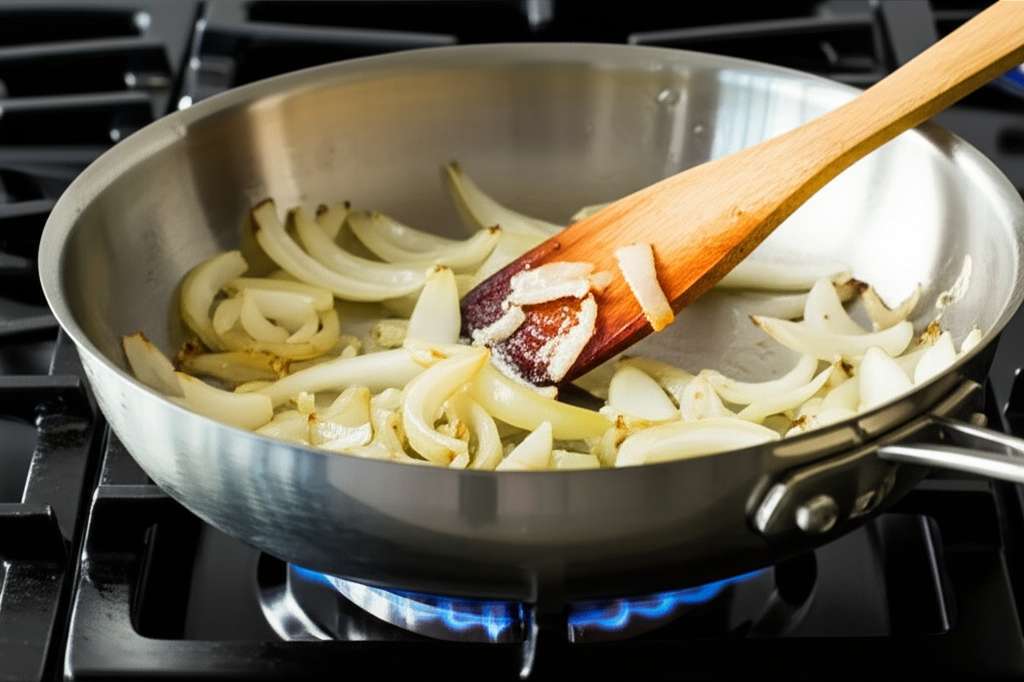
Place your skillet over medium-low heat. This is crucial! High heat is the enemy of perfectly sautéed onions. Let the pan warm up for a minute or two. Add your oil. You want the oil to shimmer slightly, but not smoke. A good test is to drop a tiny piece of onion in; it should sizzle gently, not aggressively.
Step 3: Add the Onions
Carefully add your prepared onion pieces to the warm oil. Spread them out in a single layer as much as possible. Don’t overcrowd the pan, as this will steam the onions instead of sautéing them. If you have a lot of onions, it’s better to cook them in batches.
Step 4: Stir and Cook Gently
Now, the patient part begins. Let the onions cook undisturbed for about 3-5 minutes to get a little color on one side. Then, start stirring them gently with your spoon or spatula. You want to move them around every minute or two, ensuring they cook evenly and don’t stick to the pan. If you see any bits starting to brown too quickly, turn the heat down a touch.
Step 5: Season and Continue Cooking
Once the onions start to soften and turn translucent (which usually takes about 8-10 minutes), you can add a pinch of salt if you like. This helps draw out more moisture and brings out their sweetness. Continue stirring occasionally. The total cooking time will vary depending on your heat, the size of your dice, and how soft you like your onions, but it typically ranges from 15 to 25 minutes for tender, golden-brown results.
Step 6: Know When They’re Done
Your onions are ready when they are soft, sweet-smelling, and have a beautiful golden-brown hue. They should be tender enough to mash slightly with the back of your spoon. Avoid any dark brown or black crispy bits – that’s burnt! If they reach your desired tenderness but aren’t quite golden enough, you can increase the heat slightly for the last minute or two, stirring constantly, to encourage browning.
Common Beginner Mistakes (and Easy Fixes!)
Even the most experienced cooks have had their share of kitchen mishaps! Don’t let these small stumbles discourage you. They are simply learning opportunities.
- Mistake: Heat is too high. This is the most common culprit for burnt onions. The sugars caramelize too fast and scorch.
- Fix: Lower the heat immediately! Add a tablespoon of water or broth to the pan to help deglaze (lift off burnt bits) and cool things down. Then, continue cooking on lower heat.
- Mistake: Overcrowding the pan. Piling too many onions into one pan causes them to steam instead of sauté, leading to soggy, pale results.
- Fix: Cook in batches. It might take a few minutes longer, but you’ll get much better flavor and texture.
- Mistake: Not stirring enough. Leaving onions in one spot for too long means one side will cook faster and potentially burn while the other side is still pale.
- Fix: Stir more frequently, especially once they start to soften and brown. Aim for every 1-2 minutes after the initial softening.
Pro Tips for Perfectly Sautéed Onions
Here are a few extra nuggets of wisdom to make your sautéed onions shine:
- Patience is Key: Sautéing onions is not a race. Low and slow heat with occasional stirring is the secret to unlocking their sweet, deep flavor without burning.
- Uniform Cuts Matter: Try to cut your onions into pieces of similar size. This ensures they all cook at the same rate, leading to more even results.
- Deglazing Magic: If bits start to stick to the bottom of the pan and look like they might burn, add a tablespoon of water or broth and scrape up those flavorful browned bits with your spoon. This is called deglazing and adds amazing flavor to your dish! You can learn more about this technique from culinary experts at institutions like the Culinary Institute of America.
- Salt at the Right Time: Adding salt too early can sometimes draw out too much moisture and make onions cook slower. Adding it when they are starting to soften helps enhance their natural sweetness.
- Listen to Your Senses: Your nose will tell you when onions are getting close to burning (a sharp, acrid smell). Your eyes will tell you when they are golden and tender. Trust them!
- Oil Choice: While olive oil is popular, for sautéing, an oil with a higher smoke point like canola, vegetable, or avocado oil can be more forgiving if you accidentally turn up the heat a little too much.
Understanding Onion Cuts for Sautéing
How you cut your onion affects how it cooks and the final texture in your dish. Here’s a quick look at common cuts and their impact:
| Cut Style | Description | Best For | Sautéing Result |
|---|---|---|---|
| Slices (Half-Moons) | Onion cut radially from root to stem, creating curved, semi-circular pieces. Thickness varies. | Stir-fries, sandwiches, toppings, fajitas. | Hold their shape well, offering a pleasant chew. Even browning if cut uniformly. |
| Diced (Small) | Small, uniform cubes. Achieved by slicing, then chopping. | Soups, sauces, stews, stuffing, mirepoix base. | Integrate seamlessly into dishes, providing foundational flavor. Soften significantly. |
| Diced (Large) | Larger, more noticeable cubes. | Chili, hearty stews, dishes where onion pieces are a feature. | Maintain more texture and bite, good for dishes with longer cooking times. |
| Chopped (Roughly) | Irregularly sized pieces, less precise than dicing. | Quick sautés, when precise cuts aren’t critical. | Cook unevenly if sizes vary greatly; some pieces may burn while others are undercooked. |
Frequently Asked Questions About Sautéing Onions
What is the best heat level for sautéing onions?
Medium-low heat is ideal. This allows the onions to soften and sweeten gradually without burning their sugars. You want a gentle sizzle, not an aggressive fry.
How long does it take to sauté onions?
It typically takes 15 to 25 minutes to sauté onions until they are tender and golden brown. This time can vary based on the size of your onion pieces and the exact heat of your stove.
Can I use butter instead of oil for sautéing onions?
Yes, you can use butter, but be extra cautious! Butter has a lower smoke point than most oils and can burn more easily. Consider using a combination of butter and oil, or clarifying your butter for a higher smoke point.
What if my onions start sticking to the pan?
This usually means the pan is too hot or you need a little more fat. If they are sticking and look dry, add a tablespoon of water or broth to deglaze the pan. Gently scrape up the browned bits with your spoon. Then, lower the heat and continue cooking.
Why are my onions steamed instead of sautéed?
This happens when the pan is overcrowded. Too many onions release a lot of moisture, and the steam prevents them from browning and developing that sweet sautéed flavor. Cook your onions in batches if you have a lot.
How do I know if onions are burnt?
Burnt onions will smell sharp and acrid, not sweet. Visually, they will have dark brown to black, crispy bits that are hard and will taste bitter. Perfectly sautéed onions are golden brown and tender.
Can I prepare onions ahead of time?
Yes! You can chop or slice onions a day or two in advance and store them in an airtight container in the refrigerator. They might lose a tiny bit of their crispness, but they will still sauté beautifully.
Mastering how to sauté onions without burning is a foundational skill that opens up a world of delicious possibilities in the kitchen. You’ve learned the importance of gentle heat, patient stirring, and understanding your ingredients. Remember, every time you practice this technique, you’re building confidence and getting closer to that perfect golden-brown, sweet onion flavor. Keep experimenting, keep cooking, and enjoy the wonderful aromas filling your kitchen!