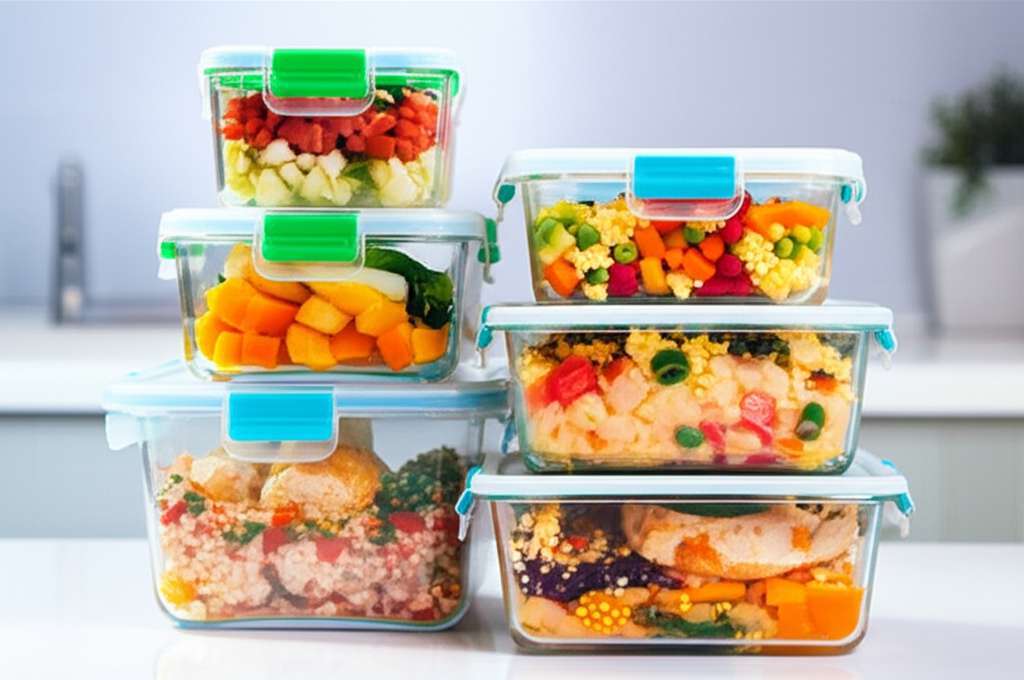
Store leftover food safely with these simple steps: cool it quickly, put it in airtight containers, and refrigerate or freeze promptly. Avoid the ‘danger zone’ temperatures to keep food fresh and prevent illness.
Introduction
Leftovers can feel a bit intimidating for new cooks. You’ve just made a delicious meal, and now you’re wondering, “What’s the best way to save this for later without it going bad or making someone sick?” It’s a common question, and you’re not alone if it feels confusing.
Don’t worry! This guide is here to help you understand the simple, safe ways to store your delicious creations. We’ll break down everything you need to know, from the best containers to the perfect temperatures. You’ll learn the easy steps to keep your food tasting great and your family safe.
Why Safe Leftover Storage Matters
Storing food properly after cooking isn’t just about saving money or reducing waste; it’s a crucial part of food safety. Bacteria can grow quickly on food left at room temperature. This growth can lead to foodborne illnesses, which nobody wants!

The “danger zone” for food is between 40°F (4°C) and 140°F (60°C). Within this temperature range, bacteria multiply rapidly. Our goal is to get cooked food out of this danger zone as quickly as possible, either by cooling it down in the refrigerator or freezer, or keeping it hot if serving later.
By following a few simple guidelines, you can confidently store your leftovers, ensuring they remain delicious and safe to eat for days to come. This guide will walk you through the essential tools, techniques, and timelines to make you a leftover storage pro.
Essential Tools for Safe Leftover Storage
You don’t need a fancy kitchen to store leftovers safely. The key is having the right containers and understanding how to use them. Here are the basics that will make a big difference:
- Airtight Containers: These are your best friends! Look for containers made of glass or BPA-free plastic with tight-fitting lids. They prevent air and moisture from getting in or out, which helps keep food fresh and stops odors from spreading in your fridge.
- Plastic Wrap and Aluminum Foil: These are good for covering bowls or wrapping individual items, but they aren’t always as effective as airtight containers for long-term storage. Use them for short-term refrigeration or to add an extra layer of protection.
- Food Storage Bags: Resealable bags are excellent for storing smaller portions, marinating, or freezing items. Squeeze out as much air as possible before sealing to prevent freezer burn.
- Labels and Markers: Don’t forget these! Labeling your containers with the date and contents is a lifesaver. It helps you track how long food has been stored and what it is, especially for things that look similar.
- Refrigerator and Freezer: Make sure your refrigerator is set to 40°F (4°C) or below, and your freezer is at 0°F (-18°C) or below. A quick check with a refrigerator thermometer can give you peace of mind.
The Cooling Process: Getting Food Out of the Danger Zone
This is arguably the most critical step in safe leftover storage. You need to cool cooked food down quickly to prevent bacteria from having a party. The USDA recommends cooling food from 140°F (60°C) to 70°F (21°C) within two hours, and then from 70°F (21°C) to 40°F (4°C) within another four hours.
Why Quick Cooling is Key
Think of it like this: the longer food sits in the “danger zone” (40°F to 140°F), the more time bacteria have to multiply. Rapid cooling helps bypass this dangerous period quickly. Large, dense items like roasts or casseroles cool down slower than smaller portions, so methods to speed up cooling are important.
Methods for Fast Cooling
- Divide and Conquer: If you have a large pot of soup, chili, or stew, divide it into smaller, shallow containers. Smaller portions cool down much faster than one big pot.
- Ice Bath: For liquids like soups or sauces, you can place the pot or container in a sink filled with ice water. Stirring the food occasionally will help it cool down faster.
- Shallow Containers: Transfer food into shallow containers (about 2-3 inches deep). This increases the surface area, allowing heat to dissipate more quickly.
- Don’t Overfill: Avoid packing containers too full. Leave some space at the top, especially if you plan to freeze leftovers, as food expands when it freezes.
Storing Leftovers in the Refrigerator
Once your food has cooled sufficiently, it’s time to get it into the fridge. This is for food you plan to eat within the next 3-4 days. Proper refrigeration keeps food safe and preserves its quality.
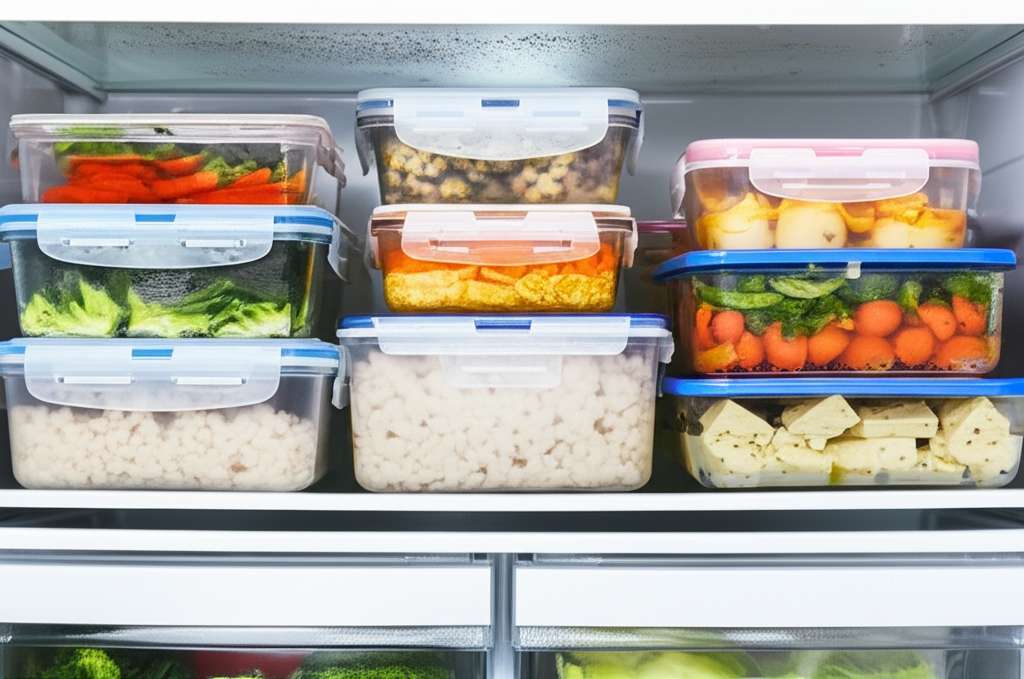
Step-by-Step Refrigerator Storage
- Ensure Food is Cooled: Make sure your leftovers have cooled down to room temperature or are at least no longer steaming hot. Hot food can raise the temperature inside your refrigerator, potentially affecting other foods.
- Use Airtight Containers: Transfer your cooled food into clean, airtight containers. If you don’t have airtight containers, cover bowls tightly with plastic wrap or foil.
- Label and Date: This is where your labels come in handy! Write down what the food is and the date you stored it. This helps you keep track and use the oldest leftovers first.
- Proper Placement: Store leftovers on a shelf in the refrigerator where the temperature is consistently cold. Avoid storing them in the door, which tends to be warmer.
- Don’t Overcrowd: Give your refrigerator some breathing room. Overcrowding can block air circulation, leading to inconsistent temperatures and slower cooling.
Refrigeration Times: How Long is Too Long?
Even with proper refrigeration, leftovers don’t last forever. The general rule of thumb is to consume refrigerated leftovers within 3 to 4 days. Some foods might last a bit longer, but it’s always better to err on the side of caution. When in doubt, throw it out!
Here’s a quick guide from the USDA (United States Department of Agriculture) on how long cooked leftovers typically last in the refrigerator:
| Type of Food | Refrigeration Time |
|---|---|
| Cooked poultry, meat, fish, and eggs | 3-4 days |
| Cooked casseroles, soups, stews | 3-4 days |
| Deli meats (after opening package) | 3-5 days |
| Hot dogs (unopened package) | 2 weeks |
| Hot dogs (opened package) | 1 week |
| Cooked pasta and rice | 3-4 days |
| Gravy and broth | 1-2 days |
Storing Leftovers in the Freezer
For longer storage, the freezer is your best option. Freezing food stops bacterial growth and preserves quality for months. It’s a fantastic way to have meals ready to go when you’re short on time.
Step-by-Step Freezer Storage
- Cool Food First: Just like with refrigeration, ensure your food has cooled down considerably before freezing. Freezing hot food can raise the temperature of your freezer and potentially thaw nearby items.
- Portion Appropriately: Divide food into meal-sized portions. This makes it easier to thaw only what you need.
- Use Freezer-Safe Containers: Invest in good quality freezer bags or containers designed for freezing. They are thicker and more durable to prevent freezer burn.
- Remove Air: This is crucial for preventing freezer burn. For bags, use a straw to suck out excess air before sealing, or use a vacuum sealer if you have one. For containers, leave a small headspace as food expands.
- Label Clearly: Again, label everything! Include the contents and the date. This is especially important in the freezer, where things can look similar once frozen.
- Freeze Quickly: Place containers towards the back of the freezer where it’s coldest and the temperature is most stable. Avoid placing them near the door.
Freezer Burn: What it is and How to Avoid It
Freezer burn happens when food is exposed to air in the freezer for too long. It results in dry, discolored patches on the surface of the food. While freezer-burned food is still safe to eat, its texture and flavor can be significantly affected.
The best way to avoid freezer burn is by using airtight packaging and removing as much air as possible before sealing. Double-wrapping food, first in plastic wrap and then in foil or a freezer bag, can also offer extra protection.
Freezer Storage Times: A General Guide
While freezing stops bacterial growth, the quality of food will eventually degrade. Here’s a general guide for how long food can be stored in the freezer while maintaining good quality. Remember, these are for quality, not safety, as food kept consistently at 0°F (-18°C) is safe indefinitely.
| Type of Food | Freezer Storage Time (for best quality) |
|---|---|
| Cooked poultry, meat, fish | 2-6 months |
| Soups, stews, casseroles | 2-3 months |
| Cooked pasta and rice | 1-2 months |
| Baked goods (breads, cakes) | 2-4 months |
| Fruits and vegetables (blanched) | 8-12 months |
| Deli meats | 1-2 months |
Reheating Leftovers Safely
You’ve stored your leftovers, and now it’s time to enjoy them! Reheating is another step where food safety is important. The goal is to heat food thoroughly to kill any potential bacteria that might have survived or multiplied.
The Golden Rule for Reheating
Reheat food to an internal temperature of 165°F (74°C). Use a food thermometer to check the temperature in several spots, especially for larger items.
Safe Reheating Methods
- Stovetop: This is great for soups, stews, sauces, and stir-fries. Heat gently, stirring occasionally, until the food is steaming hot throughout.
- Oven: Ideal for casseroles, roasts, or baked dishes. Cover the dish loosely with foil to prevent drying out, and heat until thoroughly warmed.
- Microwave: Convenient for many dishes, but make sure to heat evenly. Stir food halfway through the cooking time and let it stand for a minute or two after heating to allow the heat to distribute.
Important Note: Never reheat food more than once. If you reheat a dish and don’t finish it, it’s best to discard the rest. Each reheating cycle can encourage bacterial growth.
Common Leftover Storage Mistakes and How to Fix Them
We all make little slips in the kitchen! Understanding common mistakes can help you avoid them next time and ensure your leftovers are always safe and delicious.
- Mistake: Leaving food out too long. If cooked food sits at room temperature for more than two hours (or one hour if the ambient temperature is above 90°F/32°C), it enters the danger zone.
- Fix: Get into the habit of putting leftovers away promptly. If you’re busy, divide hot food into smaller containers right away so it cools faster.
- Mistake: Storing food in its original cooking container. Many takeout containers or large pots aren’t designed for optimal cooling or long-term storage.
- Fix: Transfer food to shallow, airtight containers before refrigerating or freezing.
- Mistake: Overcrowding the refrigerator. A packed fridge can’t circulate air properly, leading to uneven temperatures.
- Fix: Clean out your fridge regularly and make sure there’s space for air to move around.
- Mistake: Not labeling leftovers. A container of mystery mush in the back of the fridge is never a good sign.
- Fix: Always label with the contents and date. This prevents guessing games and food waste.
- Mistake: Reheating food just once. If you reheat a portion and don’t finish it, it’s best to toss the rest.
- Fix: Only reheat the amount you plan to eat. If you’re unsure, it’s safer to discard any uneaten reheated food.
Pro Tips for Leftover Longevity
Want to go the extra mile? Here are some tips to make your leftovers last longer and taste even better:
- Cool in the Fridge: If food is still a bit warm but you need to refrigerate it, place it in the fridge, but leave the lid slightly ajar for the first hour to allow steam to escape. Then, seal it tightly.
- Freeze in Batches: If you know you won’t eat a large batch of something within a few days, freeze it immediately in smaller portions.
- Use the “First-In, First-Out” (FIFO) Method: Place newly stored leftovers behind older ones in the refrigerator. This ensures you use the oldest items first, reducing waste.
- Know When to Toss: If food looks or smells unusual, or if you’re unsure how long it’s been stored, it’s always better to discard it. Your health is more important than saving a few dollars.
- Revitalize Your Leftovers: Sometimes leftovers can be a little dry or bland. A splash of broth, a bit of fresh herbs, or a dollop of sauce can often bring them back to life.
FAQ: Your Leftover Storage Questions Answered
What is the “danger zone” for food storage?
The danger zone is the temperature range between 40°F (4°C) and 140°F (60°C). Bacteria that cause foodborne illnesses grow most rapidly in this temperature range. It’s crucial to get cooked food out of this zone quickly by refrigerating or freezing it.
How quickly should I refrigerate leftovers?
Cooked food should be refrigerated within two hours of cooking. If the ambient temperature is above 90°F (32°C), refrigerate within one hour. This helps prevent bacteria from multiplying to unsafe levels.
Can I freeze leftovers that were previously frozen and thawed?
It’s generally not recommended to refreeze food that has been fully thawed. Refreezing can affect the quality and texture of the food. However, if you thawed food in the refrigerator and it’s still cold, you can refreeze it. If food was thawed at room temperature or in the microwave, it should not be refrozen.
How can I tell if leftovers have gone bad?
Look for signs like a slimy texture, mold growth, or an off odor. However, it’s important to remember that you can’t always see, smell, or taste harmful bacteria. When in doubt about the safety of leftovers, it’s best to discard them.
What are the best containers for storing leftovers?
Airtight containers made of glass or BPA-free plastic are ideal. They prevent air and moisture from affecting the food, which helps maintain freshness and prevents odors from spreading. For freezing, use freezer-specific bags or containers designed to prevent freezer burn.
How long can I safely store cooked rice as leftovers?
Cooked rice should be refrigerated within two hours of cooking and consumed within 3 to 4 days. Uncooked rice can also harbor bacteria, so it’s important to cook it thoroughly and cool it rapidly. Reheat rice until it is steaming hot all the way through.
Is it safe to eat food left out overnight?
No, it is generally not safe to eat food that has been left out at room temperature overnight. Bacteria can multiply rapidly in the “danger zone” temperatures. It’s best to refrigerate or freeze cooked food within two hours to maintain its safety.
Conclusion
Mastering how to store leftover food safely is a foundational skill that builds confidence in any kitchen. You’ve learned about the critical importance of the “danger zone,” how to cool food quickly, the best containers to use for refrigeration and freezing, and how to reheat your delicious creations safely.
Remember, practice makes perfect. Don’t be discouraged if it takes a few tries to get into a good routine. Every time you store your leftovers thoughtfully, you’re making a smart choice for your health and your wallet. Enjoy the peace of mind that comes with knowing your food is safe and delicious, ready for your next meal!