
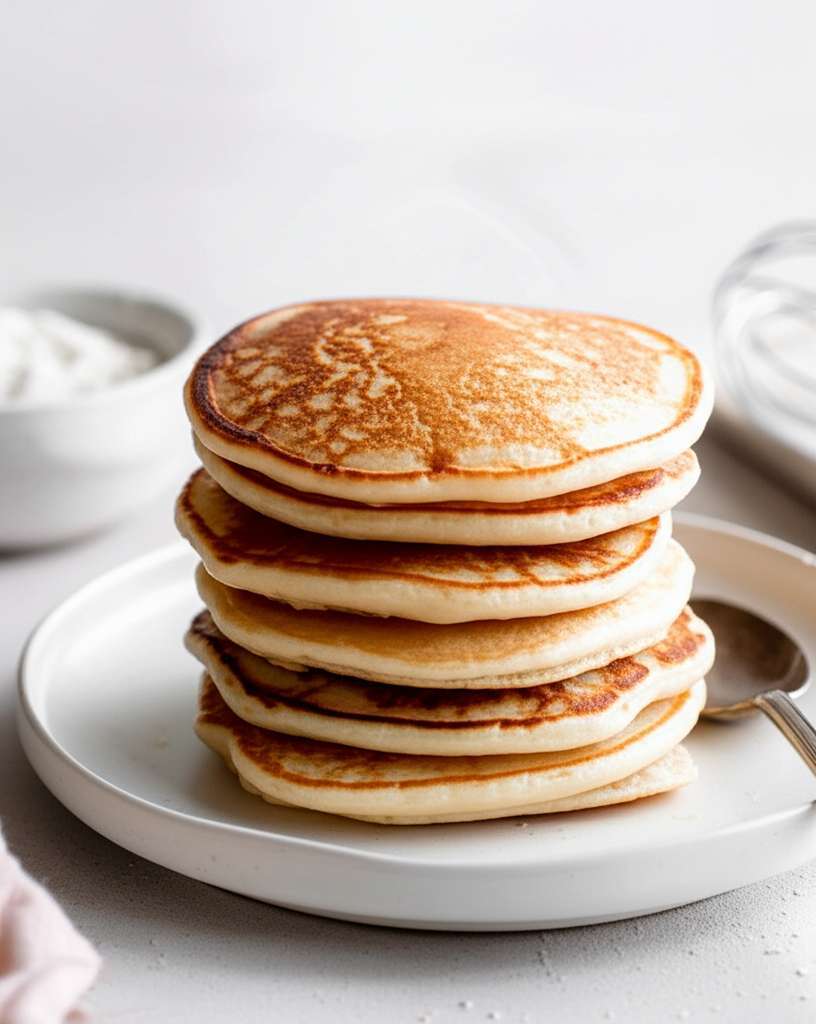
Unlock the secret to perfectly fluffy pancakes every time with this easy-to-follow recipe for basic pancake mix. You’ll master a simple, foolproof method that guarantees delicious results, making breakfast a joy for everyone.
Ever stare at a pancake recipe, feeling a little overwhelmed by the steps or the ingredient list? You’re not alone! Many home cooks find making pancakes from scratch a bit daunting, worrying about lumps, flatness, or a rubbery texture. But what if I told you it could be incredibly simple and rewarding?
At CookCanvas, we believe everyone can make delicious, fluffy pancakes. We’ll guide you through each step, explaining the ‘why’ behind it so you can build your confidence in the kitchen. Get ready to transform your mornings with a recipe that’s both easy and impressive.
This guide will walk you through creating your own basic pancake mix, showing you exactly how to achieve those amazing fluffy results. We’ll cover everything from selecting your ingredients to the perfect cooking technique, ensuring your pancakes are a hit every single time.
Why Make Your Own Pancake Mix?
Store-bought pancake mixes are convenient, but they often contain added sugars, preservatives, and artificial flavors. Making your own basic pancake mix from scratch gives you complete control over the ingredients. This means you can tailor it to your dietary needs, avoid unwanted additives, and enjoy a fresher, more wholesome taste.
Plus, a homemade mix is incredibly cost-effective. Buying individual pantry staples like flour, sugar, and baking powder in bulk and combining them yourself can save you money in the long run. It’s a simple switch that makes a big difference for your wallet and your well-being.
The Magic Behind Fluffy Pancakes
Achieving that perfect fluffy texture isn’t a secret; it’s a science! A few key elements work together to create those airy delights. Understanding these will help you troubleshoot and perfect your pancake-making skills.

The primary leavening agent in most pancake recipes is baking powder. When baking powder comes into contact with liquid and heat, it produces carbon dioxide gas bubbles. These bubbles get trapped in the batter, causing it to puff up and become light and fluffy. Ensuring your baking powder is fresh is crucial for this process.
Another factor is how you mix your batter. Overmixing can develop the gluten in the flour too much, resulting in tough, dense pancakes. A few lumps in the batter are actually a good sign, indicating you haven’t overmixed!
Ingredients for Your Basic Pancake Mix
Gathering your ingredients is the first step to pancake perfection. For this basic mix, we’ll focus on pantry staples that most kitchens already have. This keeps things simple and accessible.
Dry Ingredients (for approximately 8 cups of mix):
- 4 cups all-purpose flour
- 1/4 cup granulated sugar
- 2 tablespoons baking powder (make sure it’s fresh!)
- 1 teaspoon salt
Having a good quality baking powder is essential. Old baking powder loses its potency, which can lead to flat, sad pancakes. You can test its freshness by adding a teaspoon to a small amount of hot water; if it fizzes vigorously, it’s good to go!
The sugar adds a touch of sweetness and helps with browning. Salt balances the flavors and enhances the overall taste of the pancakes. These simple ingredients form the foundation of a delicious breakfast.
Wet Ingredients (to add when making pancakes):
When you’re ready to cook, you’ll need these fresh ingredients:
- 1 1/2 cups milk (or buttermilk for extra tang and tenderness)
- 1 large egg
- 2 tablespoons unsalted butter, melted (or vegetable oil)
- Optional: 1 teaspoon vanilla extract for extra flavor
The milk provides moisture, helping to hydrate the dry ingredients and create the batter. The egg acts as a binder and adds richness. Melted butter contributes to a tender crumb and a lovely flavor, while oil can also be used for a slightly different texture.
Tools You’ll Need
You don’t need fancy equipment to make great pancakes. Most of these items are likely already in your kitchen.
- Large mixing bowl
- Whisk
- Measuring cups and spoons
- Airtight container or resealable bag for storing the mix
- Separate bowl for wet ingredients
- Griddle or large non-stick frying pan
- Spatula
- Ladle or 1/4 cup measuring cup for pouring batter
A good whisk is your best friend for combining dry ingredients smoothly. For cooking, a flat griddle or a good non-stick pan ensures even heating and easy flipping. Using a spatula with a thin edge makes lifting and flipping a breeze.
How to Make the Basic Pancake Mix
Creating your pancake mix is a straightforward process. The key is to combine the dry ingredients thoroughly so that each pancake gets the right amount of leavening and flavor.
Step 1: Combine Dry Ingredients
In your large mixing bowl, add the all-purpose flour, granulated sugar, baking powder, and salt. Use your whisk to thoroughly combine them. Whisking helps to distribute the baking powder and salt evenly, preventing pockets of unmixed ingredients.
Whisk for about 30 seconds to a minute, ensuring there are no visible clumps of baking powder or salt. This aeration also helps to lighten the flour slightly, contributing to a fluffier pancake.
Step 2: Store Your Mix
Once your dry ingredients are well combined, transfer the mix to an airtight container or a heavy-duty resealable bag. Label it clearly with the contents and the date you made it. Store it in a cool, dry place, like your pantry.
This homemade pancake mix will stay fresh for up to 3 months if stored properly. Properly stored, it’s ready for whenever a pancake craving strikes!
How to Make Pancakes from Your Mix
Now for the fun part! Turning your pre-made mix into delicious, fluffy pancakes is quick and easy.
Step 1: Prepare Wet Ingredients
In a separate bowl, whisk together the milk, egg, and melted butter (or oil). If you’re using vanilla extract, add it now and give it another quick whisk to combine.
Make sure your butter is melted but not too hot, as it could scramble the egg. This wet mixture will be added to your dry pancake mix.
Step 2: Combine Wet and Dry Ingredients
Pour the wet ingredients into the bowl containing about 1 1/2 cups of your basic pancake mix. Whisk gently until just combined. It’s okay if there are still a few lumps; this is actually ideal for fluffy pancakes!
Overmixing will develop the gluten in the flour, making your pancakes tough. Stop mixing as soon as you no longer see streaks of dry flour. A slightly lumpy batter is the secret to a tender texture.
Step 3: Heat Your Griddle
Preheat your griddle or non-stick frying pan over medium heat. You can test if it’s ready by flicking a drop of water onto the surface; it should sizzle and evaporate quickly. Lightly grease the griddle with a little butter or oil if needed.
Medium heat is key. Too high and the outside will burn before the inside cooks. Too low, and your pancakes might be pale and dense.
Step 4: Cook the Pancakes
Using a ladle or a 1/4 cup measuring cup, pour batter onto the hot griddle for each pancake. Cook for about 2–3 minutes, or until you see bubbles forming on the surface and the edges look set.
Carefully slide your spatula under the pancake and flip it. Cook the other side for another 1–2 minutes, until golden brown and cooked through. This is where the magic happens, and your pancakes start to puff up!
Step 5: Serve and Enjoy
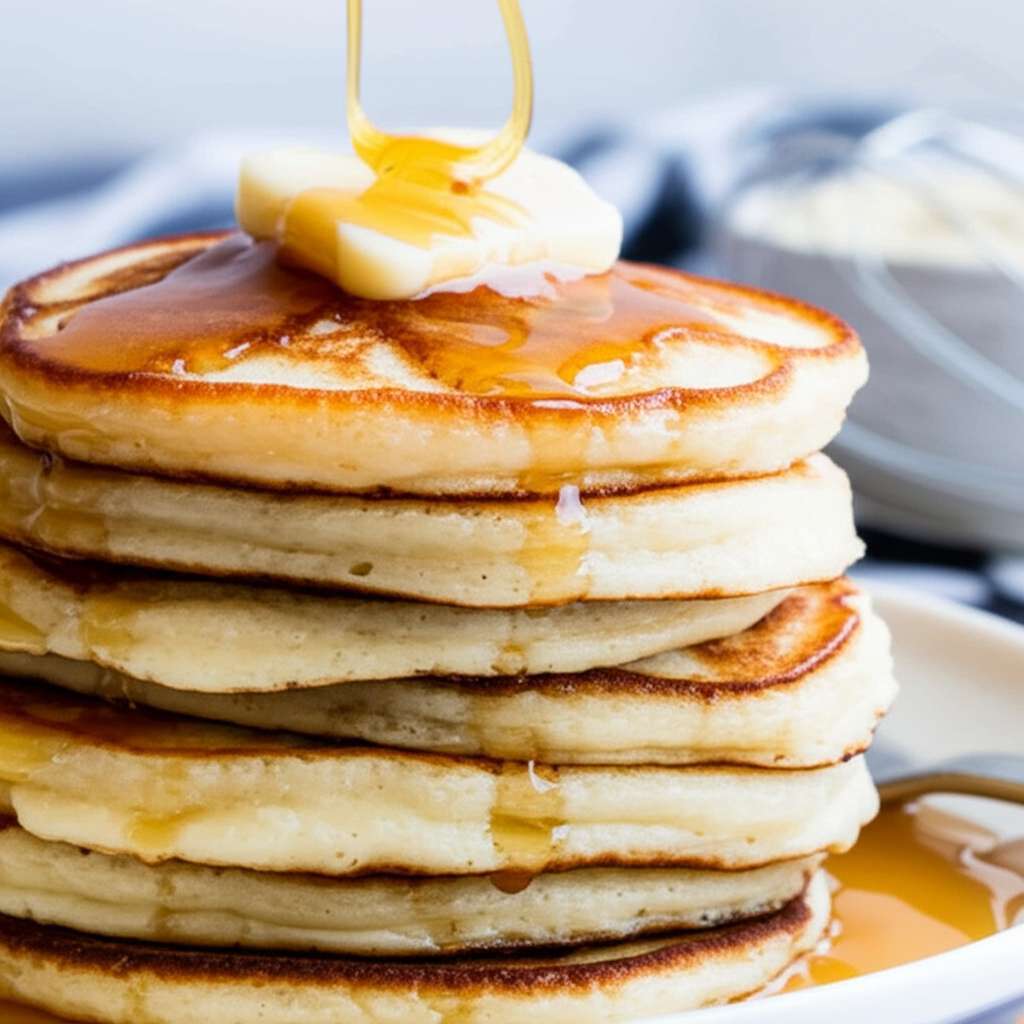
Serve your fluffy pancakes immediately with your favorite toppings like maple syrup, fresh fruit, whipped cream, or butter. Enjoy the fruits of your labor – a delicious homemade breakfast!
Pancakes are best enjoyed fresh off the griddle. If you’re making a larger batch, you can keep them warm in a low oven (around 200°F or 90°C) on a baking sheet while you finish cooking the rest.
Pancake Mix Ratios and Yield
This recipe makes approximately 8 cups of dry pancake mix. When you’re ready to make pancakes, the ratio is generally:
| Dry Mix | Milk | Egg | Melted Butter/Oil | Yield |
|---|---|---|---|---|
| 1 1/2 cups | 1 cup | 1 large | 2 tablespoons | About 6–8 medium pancakes |
| 3 cups | 2 cups | 2 large | 4 tablespoons | About 12–16 medium pancakes |
These are starting points, and you might need to adjust the liquid slightly depending on your flour and the humidity. If your batter seems too thick, add a tablespoon of milk at a time until it reaches your desired consistency.
The yield will also depend on how large you make your pancakes. Using a 1/4 cup measure for each pancake is a good standard size. For smaller, silver dollar pancakes, you’ll get more out of the batter.
Tips for Extra Fluffy Pancakes
Want to take your pancakes from good to absolutely amazing? Here are a few extra tips:
- Don’t overmix: Seriously, this is the golden rule. A few lumps are your friend!
- Use buttermilk: If you have it, buttermilk reacts with baking powder to create extra lift and a tender crumb. If you don’t have buttermilk, you can make a substitute by adding 1 tablespoon of lemon juice or white vinegar to 1 cup of milk and letting it sit for 5–10 minutes.
- Let the batter rest: Letting the batter sit for 5–10 minutes after mixing allows the flour to hydrate and the gluten to relax, resulting in a more tender pancake.
- Fresh baking powder: As mentioned, this is non-negotiable for fluffiness.
- Medium heat: Patience is key. Cooking at the right temperature ensures even cooking and maximum puff.
You can also try separating the egg. Beat the egg white until stiff peaks form and then gently fold it into the batter at the very end. This is a classic technique for incredibly light and airy pancakes, though it adds an extra step.
Troubleshooting Common Pancake Problems
Even with the best intentions, sometimes things don’t go as planned. Here are solutions to common pancake woes:
Problem: Flat, Dense Pancakes
Cause: Likely due to old baking powder, overmixing the batter, or not using enough leavening.
Solution: Ensure your baking powder is fresh. Whisk dry ingredients well. Mix the batter gently until just combined, and let it rest for a few minutes before cooking. For future batches, double-check your baking powder expiry date.
Problem: Pancakes Sticking to the Griddle
Cause: The griddle wasn’t hot enough, not enough fat was used, or the pan isn’t truly non-stick.
Solution: Make sure your griddle is preheated to medium heat. Use a light coating of butter or oil. If using a non-stick pan, ensure it’s in good condition. For cast iron, proper seasoning is essential.
Problem: Burnt Outside, Raw Inside
Cause: The griddle or pan was too hot.
Solution: Reduce the heat to medium. Cook the first side until bubbles appear and the edges look set before flipping. If they are browning too quickly, lower the temperature immediately.
Problem: Lumpy Batter
Cause: This is actually a good thing! It means you haven’t overmixed.
Solution: Don’t worry about it! Just ensure there are no large pockets of dry flour. A few small lumps contribute to a tender, fluffy texture.
Ingredient Substitutions and Variations
Once you’ve mastered the basic recipe, feel free to experiment! Here are some ideas for substitutions and variations.
| Ingredient | Substitution/Variation | Notes |
|---|---|---|
| All-Purpose Flour | Whole Wheat Flour, Gluten-Free Blend | Whole wheat will make denser pancakes; GF blends may require more liquid. Ensure GF blends contain xanthan gum. |
| Milk | Almond Milk, Soy Milk, Oat Milk, Buttermilk | Plant-based milks work well. Buttermilk adds a lovely tang. |
| Granulated Sugar | Brown Sugar, Maple Syrup (reduced liquid) | Brown sugar adds a caramel note. If using liquid sweetener, you might need to slightly reduce other liquids. |
| Butter/Oil | Coconut Oil, Applesauce (reduced fat) | Coconut oil adds a subtle flavor. Applesauce can make them very moist but might affect browning. |
For flavor variations, consider adding a teaspoon of cinnamon or nutmeg to the dry mix for warm spices, or a bit of lemon or orange zest to the wet ingredients for a citrusy twist. You can also fold in blueberries, chocolate chips, or mashed banana into the batter just before cooking.
Food Safety Considerations
When working with raw eggs and dairy, it’s important to follow basic food safety guidelines. Ensure your ingredients are fresh and properly stored. Cooked pancakes are generally safe to eat, but raw batter containing eggs should not be consumed.
For more detailed information on food safety, you can refer to resources like the USDA Food Safety and Inspection Service. They provide comprehensive guidance on safe food handling and cooking temperatures to prevent foodborne illnesses.
Frequently Asked Questions
Q1: How long does homemade pancake mix last?
A: When stored in an airtight container in a cool, dry place, your basic pancake mix should last for about 3 months. Always check for any off smells or signs of spoilage before use.
Q2: Can I freeze pancake batter?
A: Yes, you can freeze pancake batter! Let the batter cool completely, then pour it into freezer-safe bags or containers. It will keep for about 1–2 months. Thaw it overnight in the refrigerator and give it a quick stir before cooking. Note that the texture might be slightly different after freezing.
Q3: What is the best way to reheat leftover pancakes?
A: The best way to reheat pancakes is in a toaster, toaster oven, or a lightly greased skillet over medium-low heat. Microwaving can make them soft and rubbery, but it’s the quickest option if convenience is key.
Q4: My pancakes are too thin. What did I do wrong?
A: If your pancakes are consistently too thin, you might be using too much liquid or not enough dry ingredients. Ensure you’re measuring accurately. You can also try adding a tablespoon or two more of flour to your batter, or letting the batter rest longer to allow the flour to absorb more liquid.
Q5: Can I make this recipe vegan?
A: Absolutely! To make this recipe vegan, substitute the milk with your favorite plant-based milk (like almond, soy, or oat milk) and replace the egg with a flax egg (1 tablespoon ground flaxseed mixed with 3 tablespoons water, let sit for 5 minutes) or a commercial egg replacer. Ensure your melted butter is replaced with a vegan butter substitute or oil.
Q6: What’s the difference between baking soda and baking powder?
A: Baking soda is a single ingredient (sodium bicarbonate) that needs an acidic ingredient (like buttermilk, yogurt, or lemon juice) to activate. Baking powder is a complete leavening agent that contains baking soda, an acid, and a starch, so it activates with just liquid and heat. For pancakes, baking powder is typically used for its reliable leavening power.
Conclusion
Making your own basic pancake mix is a simple yet incredibly rewarding kitchen skill. It opens the door to delicious, fluffy pancakes made with ingredients you trust, without the fuss of complicated recipes. You’ve learned how to combine the simple dry ingredients, the ideal ratios for making the batter, and the secrets to achieving that perfect fluffy texture.
Remember, the key is gentle mixing and a hot, but not too hot, griddle. Don’t be afraid of a few lumps in your batter – they’re a sign of a tender pancake in the making! With this recipe for basic pancake mix, you’re well on your way to creating memorable breakfasts that will be loved by all. Happy cooking, and enjoy every delicious bite!