
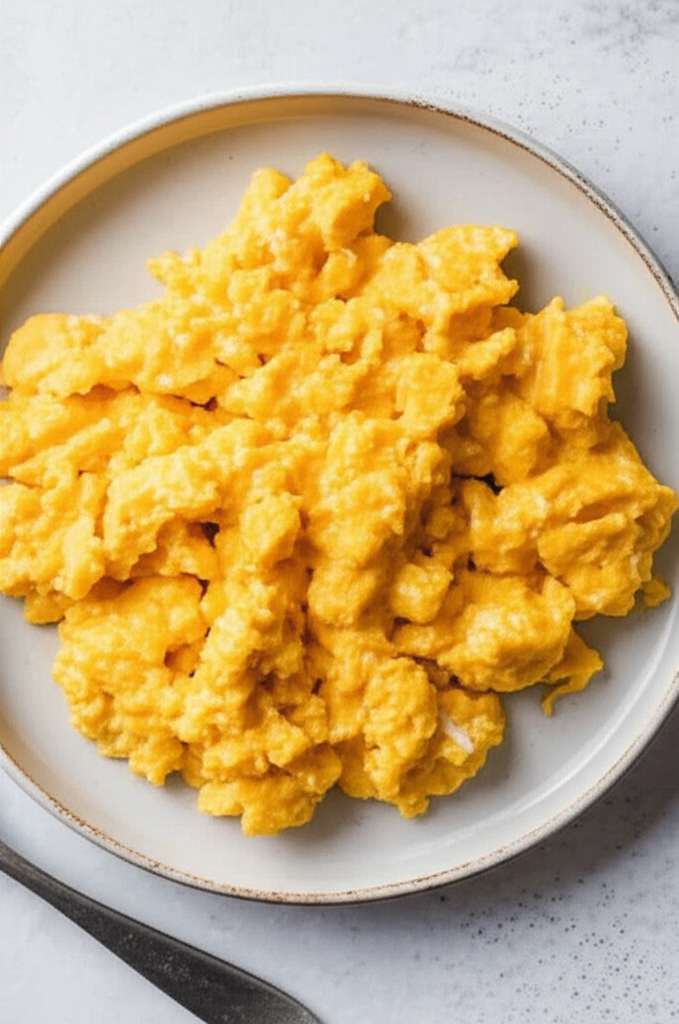
Absolutely! Making scrambled eggs with milk is the secret to achieving unbelievably creamy, fluffy, and flavorful results every time. This simple ingredient swap transforms ordinary eggs into a gourmet breakfast delight, perfect for beginners looking to impress.
Have you ever made scrambled eggs that turned out a bit rubbery or dry? It’s a common kitchen frustration, especially when you’re just starting out. Getting that perfect, silky texture can feel like a mystery, but the solution is surprisingly simple and uses an ingredient you likely already have: milk.
This guide is all about demystifying the process. We’ll walk through a straightforward recipe that guarantees delicious scrambled eggs with milk, every single time. You’ll learn why milk makes such a difference and how a few simple techniques elevate your breakfast game.
Get ready to whip up some of the most amazing scrambled eggs you’ve ever tasted. Let’s dive in!
Why Add Milk to Scrambled Eggs? The Creamy Secret Revealed
You might be wondering, why milk? Isn’t water or just plain eggs enough? The answer lies in the magic of fat and protein. Milk, especially whole milk, contains fat and proteins that work wonders when heated with eggs.
When you whisk milk into your eggs, the fat molecules coat the egg proteins. This coating helps to prevent those proteins from tightening up too much as they cook. The result? Eggs that are tender, moist, and incredibly creamy, rather than tough or rubbery. It’s a simple science that makes a huge difference in texture and taste.

Beyond the creamy texture, milk also adds a subtle richness and a milder, more pleasant flavor profile to your scrambled eggs. It’s like adding a little bit of culinary love to your breakfast. This technique is a favorite among chefs for a reason – it’s an easy way to achieve professional-level results at home.
We’ll explore exactly how much milk to use and the best techniques for incorporating it to maximize that amazing flavor and texture. It’s a game-changer for anyone who loves a good plate of scrambled eggs but wants to achieve that restaurant-quality feel without the fuss.
The Ultimate Scrambled Eggs With Milk Recipe: Simple Steps to Amazing Flavor
This recipe is designed for absolute beginners. We’ll break down every step so you can follow along with confidence. The goal is to create fluffy, creamy, and delicious scrambled eggs with minimal effort and maximum reward. You’ll be amazed at how something so simple can taste so good!
Yields:
1 serving
Prep time:
3 minutes
Cook time:
5-7 minutes

Ingredients You’ll Need:
- 2 large eggs
- 2 tablespoons whole milk (or half-and-half for extra richness)
- Pinch of salt
- Pinch of black pepper
- 1 teaspoon butter or oil (like olive oil or avocado oil)
Essential Kitchen Tools:
- Small bowl
- Whisk or fork
- Non-stick skillet (about 8-10 inches)
- Spatula (preferably silicone or rubber)
- Measuring spoons
Step-by-Step Guide to Creamy Scrambled Eggs:
- Prep Your Station: Gather all your ingredients and tools. This makes the cooking process smooth and stress-free. Having everything ready means you can focus on the cooking itself.
- Crack and Whisk: Crack the two large eggs into the small bowl. Add the 2 tablespoons of whole milk, a pinch of salt, and a pinch of pepper. Whisk everything together vigorously until the yolks and whites are completely combined and the mixture has a uniform pale yellow color. Make sure there are no streaks of white left. This step incorporates air, which helps make the eggs fluffy.
- Heat Your Pan: Place your non-stick skillet over medium-low heat. Add the teaspoon of butter or oil. Let the butter melt completely and coat the bottom of the pan. You’re looking for a gentle sizzle, not a violent one. Low and slow is key for creamy eggs!
- Pour in the Eggs: Once the butter is melted and shimmering slightly (or the oil is warm), pour the egg mixture into the skillet. Let it sit undisturbed for about 20-30 seconds, allowing the bottom to just begin to set.
- Gentle Scrambling: Using your spatula, gently push the cooked egg from the edges towards the center, tilting the pan so the uncooked egg flows underneath. Continue this process slowly and gently. Avoid stirring too vigorously, as this can break down the curds too much and make the eggs watery.
The goal is to create large, soft curds. You’ll see the eggs gradually cook and thicken. Keep moving the eggs around the pan, ensuring they don’t stick and cook evenly. If the pan seems too hot, you can always reduce the heat further or even lift it off the burner for a few seconds.
- Cook to Perfection: Continue this gentle folding and pushing motion until the eggs are mostly set but still look slightly moist and glossy. They will continue to cook a bit from the residual heat even after you remove them from the pan, so taking them off slightly before they look completely done is the secret to avoiding dry eggs.
- Serve Immediately: Slide the creamy scrambled eggs onto your plate right away. They are best enjoyed fresh! Garnish with a little extra pepper or some fresh herbs if you like.
Pro Tips for Next-Level Scrambled Eggs
Now that you’ve mastered the basic recipe, let’s talk about elevating your scrambled egg game even further. These simple tips can take your breakfast from good to absolutely spectacular. They focus on technique, ingredient quality, and understanding the nuances of cooking eggs.
Choosing the Right Milk:
While whole milk is fantastic for richness, don’t be afraid to experiment. Half-and-half offers even more creaminess and a slightly decadent flavor. For a lighter option, 2% milk works, though the texture might be slightly less rich. If you’re dairy-free or prefer a different taste, unsweetened plant-based milks like almond or soy milk can work, but they may alter the flavor and texture slightly.
Butter vs. Oil:
Butter adds a wonderful flavor and a lovely golden hue to scrambled eggs. It’s the classic choice for a reason. However, if you’re avoiding dairy or prefer a cleaner taste, a neutral oil like avocado oil or a light olive oil is a perfectly good alternative. Some cooks even like to use a combination of both butter and oil for the best of both worlds – flavor from butter, and a slightly higher smoke point from the oil.
The Importance of Low Heat:
This is perhaps the most crucial tip for achieving truly creamy scrambled eggs. Cooking on medium-low heat allows the eggs to cook gently and evenly. High heat causes the egg proteins to coagulate too quickly, leading to a dry, rubbery texture. Patience is your best friend here; the slight extra time spent on lower heat is entirely worth the incredible texture it yields.
Don’t Overcrowd the Pan:
If you’re cooking for more than two people, it’s often better to cook the eggs in batches. Overcrowding the pan can lower the temperature too quickly and prevent the eggs from cooking as evenly or developing those beautiful, soft curds you’re aiming for. Cooking in batches ensures each portion gets the attention it deserves.
Seasoning Smartly:
While salt and pepper are staples, consider when you add them. Some chefs advocate adding salt closer to the end of cooking, believing it can sometimes break down the egg proteins and make them watery if added too early. Others find no discernible difference. Experiment for yourself! For adventurous palates, a tiny pinch of garlic powder or a dash of hot sauce can add interesting flavor notes.
Adding Extras:
Feel free to add cheese, chives, diced bell peppers, or cooked spinach towards the end of the cooking process. Stir them in gently during the last minute of cooking to allow them to heat through without overcooking the eggs. Remember that cheese will continue to melt, so add it just before the eggs are done.
Why Milk (and Not Water or Cream)? Understanding Your Options
When it comes to adding liquid to your scrambled eggs, you have a few choices, and each yields a slightly different result. Let’s break down why milk is often the preferred choice for that perfect balance of flavor and texture.
Milk: The All-Rounder
Milk, especially whole milk, offers a fantastic balance. Its protein and fat content contribute to a creamy, tender texture without making the eggs overly rich or heavy. It also adds a subtle sweetness and mild flavor that complements the eggs beautifully. This makes it the go-to for most home cooks and a staple in many classic recipes.
Water: The Lightest Touch
Adding water to scrambled eggs results in a lighter, fluffier texture. The water turns to steam as it cooks, creating airiness. However, it doesn’t add any richness or fat, so the eggs can sometimes feel a bit less satisfying or even a touch “weaker” in flavor. It’s a good option if you’re aiming for very delicate, cloud-like eggs or are watching your fat intake.
Cream (Heavy Cream or Half-and-Half): The Ultimate Indulgence
Using heavy cream or half-and-half will give you the richest, most decadent scrambled eggs. The higher fat content coats the egg proteins exceptionally well, resulting in an incredibly smooth, velvety texture. However, they can be quite rich, and if you use too much, they might taste a little too “eggy” or even slightly greasy. Half-and-half is a great compromise, offering richness without being overwhelming.
Here’s a quick comparison:
| Liquid Option | Texture Result | Flavor Impact | Best For |
|---|---|---|---|
| Whole Milk | Creamy, tender, fluffy | Subtly sweet, mild | Everyday amazing scrambled eggs |
| Water | Light, airy, fluffy | Neutral, less rich | Light and delicate eggs, lower fat option |
| Half-and-Half | Very creamy, velvety | Rich, slightly decadent | Luxurious, restaurant-style eggs |
| Heavy Cream | Extremely rich, super smooth | Rich, buttery | Special occasions, ultimate indulgence |
For beginners, starting with whole milk is highly recommended. It’s forgiving, readily available, and consistently delivers fantastic results, truly enhancing the “amazing flavor” of your scrambled eggs.
Troubleshooting Common Scrambled Egg Problems
Even with the best intentions, sometimes scrambled eggs don’t turn out perfectly. Don’t worry, these are common hiccups that are easy to fix or avoid in the future. Think of them as learning opportunities!
Problem: Eggs are Rubbery and Dry
Cause: This usually happens when the eggs are cooked for too long or over heat. The proteins in the eggs seize up too much, squeezing out moisture.
Solution: Cook on lower heat and remove the eggs from the heat just before they look fully set. They will continue to cook from residual heat. Next time, try adding a bit more milk or even a splash of cream for extra moisture.
Problem: Eggs are Watery or Greasy
Cause: Watery eggs can sometimes result from over-whisking, adding too much liquid (especially water), or cooking on too low a heat for too long without enough movement, causing the liquid to separate. Greasy eggs are usually due to too much oil or butter, or the pan being too hot, causing the fat to break.
Solution: Ensure you’re using the right ratio of eggs to liquid (stick to about 1-2 tablespoons of milk per egg). For greasy eggs, use less fat in the pan or make sure your heat isn’t too high. Proper, gentle stirring helps maintain a good emulsion.
Problem: Eggs Stick to the Pan
Cause: This is most often due to not using a non-stick pan, not using enough butter or oil, or the pan not being properly preheated.
Solution: Invest in a good non-stick skillet if you don’t have one, and always use at least a teaspoon of butter or oil. Let the pan heat up gently before adding the eggs.
Problem: Uneven Cooking (Some parts dry, some raw)
Cause: This can happen if you don’t stir the eggs gently and consistently or if your stovetop has hot spots.
Solution: Use a spatula to regularly move the eggs from the edges to the center and to break up larger curds. If your stove has hot spots, rotate the pan occasionally as you cook.
Remember, a little practice goes a long way! Each time you make scrambled eggs, you’ll get a better feel for how they cook on your specific stove.
Variations to Spice Up Your Scrambled Eggs
Once you’ve mastered the basic scrambled eggs with milk recipe, you’ll want to experiment with different flavors and additions. Breakfast doesn’t have to be boring! Here are some ideas to keep your mornings exciting and delicious.
Cheesy Scrambled Eggs
The classic addition! Stir in your favorite shredded cheese (cheddar, Gruyère, Monterey Jack, or a blend) during the last minute of cooking. Let it melt into the creamy eggs for extra deliciousness. A sprinkle of Parmesan adds a salty kick.
Herbed Scrambled Eggs
Finely chop fresh herbs like chives, parsley, dill, or chervil. Stir them into the egg mixture before cooking or sprinkle them over the top just before serving. They add a burst of fresh flavor and beautiful color.
Spicy Scrambled Eggs
For those who like a little heat, add a pinch of cayenne pepper or a dash of your favorite hot sauce to the egg mixture. You can also finely chop a jalapeño or a bit of bell pepper and sauté it in the pan for a minute before adding the eggs. A sprinkle of red pepper flakes when serving also does the trick.
Mushroom and Spinach Scrambled Eggs
Sauté sliced mushrooms and/or fresh spinach in the butter or oil until tender before you add the eggs. Then, pour the egg mixture over the vegetables. The vegetables cook within the eggs, making it a hearty and nutritious meal.
Southwestern Scrambled Eggs
Add a tablespoon or two of black beans, corn kernels, and a pinch of chili powder to the mix. Top with a dollop of salsa or a slice of avocado for a vibrant breakfast.
Smoked Salmon and Dill Scrambled Eggs
Flake in some smoked salmon and fresh dill during the last minute of cooking. This elegant variation is perfect for a weekend brunch and pairs wonderfully with cream cheese.
These variations are simple ways to practice your cooking skills while creating diverse and exciting meals. Don’t be afraid to get creative and discover your own favorite combinations!
Scrambled Eggs With Milk: Health Considerations
While this scrambled eggs with milk recipe is delicious and relatively simple, it’s always good to consider the nutritional aspects, especially if you have specific dietary needs or goals. Eggs themselves are a nutritional powerhouse, packed with high-quality protein, vitamins (like D and B12), and minerals (like selenium and choline).
Adding milk introduces additional nutrients. Whole milk provides calcium, vitamin D (if fortified), and fats that contribute to satiety. Lighter milk options or plant-based milks will offer different nutritional profiles. For instance, unsweetened almond milk is lower in calories and fat, while soy milk offers a bit more protein.
The primary considerations for this recipe are:
- Calories and Fat: Whole milk and butter contribute to the calorie and fat content. If you are monitoring your intake, opting for 2% milk or a cooking spray instead of butter can reduce these. However, the fat content is what contributes significantly to the creamy texture, so finding a balance is key.
- Cholesterol: Egg yolks contain cholesterol. While dietary cholesterol’s impact on blood cholesterol levels is complex and varies among individuals, current advice from many health organizations, including the U.S. Department of Agriculture (USDA), suggests that for most healthy people, the cholesterol in eggs is not a major concern. An average person can safely eat eggs regularly as part of a balanced diet.
- Sodium: Be mindful of how much salt you add. While a pinch is standard, over-salting can be an issue if you are watching your sodium intake.
For individuals managing conditions like diabetes or heart disease,