

Skyline Chili Recipe: Unlock the Secret to Amazing Flavor! Discover the simple ingredients and techniques that make this Cincinnati classic so delicious, perfect for any home cook.
Ever wondered what makes Skyline Chili so uniquely delicious? It’s a question many home cooks ask, trying to capture that signature taste. The thought of replicating a restaurant favorite can feel a bit daunting, especially when the secrets behind its flavor aren’t immediately obvious.
But don’t worry, I’m here to help! We’ll break down this beloved Cincinnati chili into easy-to-follow steps. You’ll discover the key ingredients and simple techniques that create its amazing flavor profile, proving that homemade can be just as spectacular.
Get ready to impress yourself and your loved ones. We’re going to explore the core of what makes this chili so special, starting with the foundational ingredients that build its unique taste.
The Heart of Skyline Chili: What Makes it So Special?
Skyline Chili isn’t your average bowl of chili. Its magic lies in a delicate balance of spices and a surprisingly simple base. Unlike many chilis that rely on heavy tomato or bean bases, Skyline’s flavor comes from a unique blend of seasonings and a finely ground meat mixture.

This approach creates a lighter, yet incredibly flavorful chili that can be enjoyed in various ways. The secret isn’t just one ingredient, but how they all come together. We’ll dive into the specific spices that give it that unmistakable aroma and taste.
Gathering Your Skyline Chili Ingredients
Building a great chili starts with having the right ingredients. For this Skyline-inspired recipe, we’re keeping it straightforward and focusing on the essentials that deliver that authentic flavor. You’ll likely have many of these pantry staples already!
Must-Have Ingredients:
- 1 pound lean ground beef (85% or 90% lean is ideal)
- 1 large onion, finely chopped
- 2 cloves garlic, minced
- 1 tablespoon olive oil or vegetable oil
- 1 (15-ounce) can tomato sauce
- 1 cup beef broth
- 2 tablespoons chili powder
- 1 teaspoon ground cumin
- 1 teaspoon dried oregano
- 1/2 teaspoon ground cinnamon
- 1/4 teaspoon ground cloves
- 1/4 teaspoon cayenne pepper (optional, for a little heat)
- 1 teaspoon salt, or to taste
- 1/2 teaspoon black pepper, or to taste
The combination of spices here is key. That hint of cinnamon and cloves might seem unusual for chili, but it’s precisely what gives Skyline its distinctive warm, slightly sweet, and aromatic character. Don’t be shy with these!
Essential Kitchen Tools
You don’t need a fancy kitchen to make amazing chili. Most of the tools you’ll need are standard in any home cook’s arsenal. Having these ready will make the cooking process smooth and enjoyable.
Your Chili-Making Toolkit:
- Large pot or Dutch oven (at least 4-quart capacity)
- Cutting board
- Sharp knife
- Measuring spoons and cups
- Wooden spoon or spatula
- Can opener
A good quality pot is your best friend for simmering chili. It distributes heat evenly, preventing scorching and ensuring all those flavors meld beautifully. The rest are simple tools that help you prep and mix.
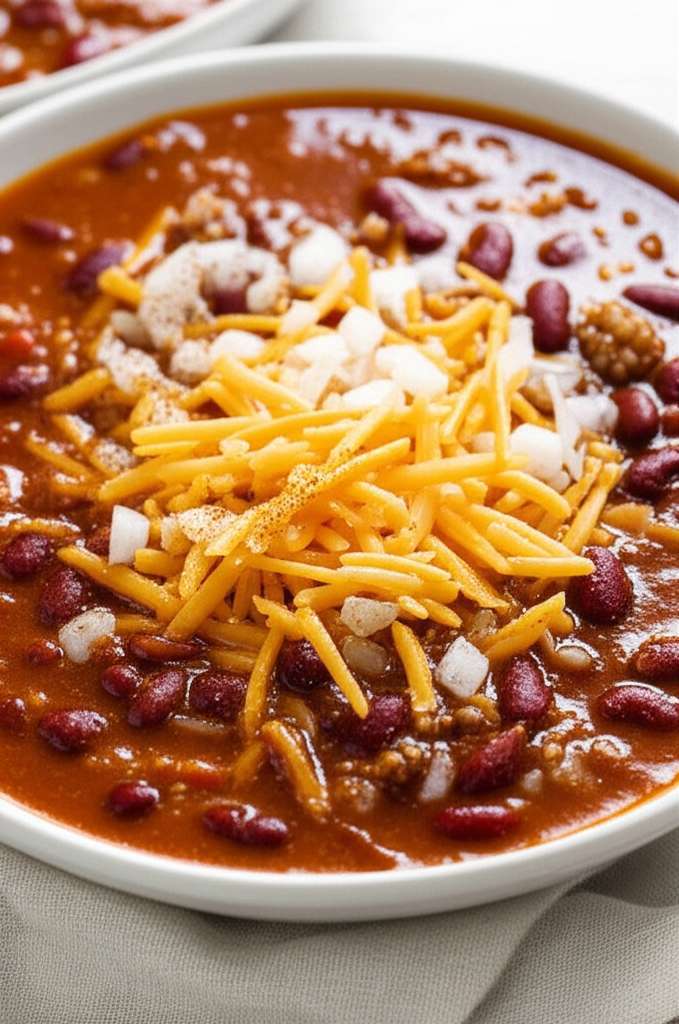
Step-by-Step: Crafting Your Skyline Chili
Now for the fun part – bringing all those ingredients together! We’ll go step-by-step, making sure each stage is clear and easy to follow. Remember, cooking is a journey, and each step is a chance to learn and enjoy the process.
Step 1: Sautéing the Aromatics
Start by heating the olive oil in your large pot or Dutch oven over medium heat. Add the finely chopped onion and cook until it becomes soft and translucent, usually about 5-7 minutes. This gentle cooking releases the onion’s natural sweetness.
Next, add the minced garlic to the pot and cook for another minute until fragrant. Be careful not to burn the garlic, as it can turn bitter. Just a quick sauté to release its potent flavor is all you need.
Step 2: Browning the Beef
Add the ground beef to the pot with the onions and garlic. Break it up with your spoon and cook, stirring occasionally, until it’s nicely browned. This process seals in the beef’s juices and adds a rich foundation to the chili.
Once the beef is fully browned, carefully drain off any excess grease. This helps keep the chili from becoming too heavy or oily, ensuring a cleaner flavor profile. A well-drained base is crucial for that signature Skyline taste.
Step 3: Adding the Liquids and Spices
Pour in the tomato sauce and beef broth. Stir everything together, scraping up any browned bits from the bottom of the pot – those are packed with flavor! Then, it’s time to add our star spice blend.
Add the chili powder, cumin, oregano, cinnamon, cloves, cayenne pepper (if using), salt, and black pepper. Stir well to ensure all the spices are evenly distributed throughout the mixture. This is where the magic really starts to happen!
Step 4: Simmering to Perfection
Bring the chili to a gentle simmer. Once it’s simmering, reduce the heat to low, cover the pot, and let it cook for at least 1 hour. The longer it simmers, the more the flavors will meld and deepen.
Stir the chili occasionally to prevent it from sticking to the bottom of the pot. You’re looking for a rich, thick consistency. If it becomes too thick, you can add a splash more beef broth or water. This slow simmer is vital for developing that complex, comforting flavor.
Step 5: Tasting and Adjusting
After an hour of simmering, it’s time to taste your creation. Carefully sample the chili and adjust the seasonings as needed. Does it need a little more salt? A pinch more of that cinnamon? This is your chance to make it perfect for your palate.
Don’t be afraid to make small adjustments. Cooking is all about personal preference, and tasting along the way ensures you end up with a dish you truly love. Remember, the flavors will continue to meld as it cools slightly.
The Secret Spice Blend: Unveiling the Flavor Architects
Let’s talk about the real stars of the show: the spices. The combination used in Skyline Chili is what sets it apart from any other chili you might have made before. It’s a masterful blend that creates warmth, depth, and a hint of sweetness.
The typical spices include chili powder for that classic chili base, but it’s the addition of cinnamon, cloves, and sometimes even a touch of allspice or nutmeg that provides that signature aromatic complexity. These warm spices are used sparingly, just enough to add an intriguing note without overpowering the savory elements.
Understanding the Spice Ratio
While exact restaurant recipes are proprietary, the general consensus for a home cook aiming for that authentic flavor involves a careful balance. Chili powder forms the backbone, but the warm spices are the supporting cast that truly makes it shine.
The key is not to use too much of any single warm spice. Think of them as delicate perfumes for your chili, enhancing the overall aroma and taste subtly. A small pinch of cinnamon and cloves goes a long way in creating that unique Skyline profile.
Serving Your Skyline Chili: The Cincinnati Way
Skyline Chili has a unique way of being served, which is part of its charm. It’s traditionally served “Ways,” referring to the toppings and the way it’s layered. Understanding these “Ways” will help you enjoy your homemade chili like a true Cincinnatian.
The Classic “Ways”:
- 2-Way: Chili over spaghetti.
- 3-Way: Chili over spaghetti, topped with shredded cheese.
- 4-Way: Chili over spaghetti, topped with shredded cheese and chopped onions.
- 5-Way: Chili over spaghetti, topped with shredded cheese, chopped onions, and kidney beans.
The spaghetti base is essential to the Skyline experience. It provides a comforting bed for the chili and allows the flavors to mingle in a delightful way. The finely ground meat mixture is perfect for coating the pasta.
Don’t forget the shredded cheddar cheese! It’s a non-negotiable topping for many and adds a creamy, savory dimension. Chopped onions bring a fresh, sharp bite, and beans add texture and heartiness. Experiment to find your favorite “Way”!
Ingredient Substitutions and Variations
While this recipe aims for authenticity, it’s always good to know your options. Sometimes you might be missing an ingredient or want to adapt the recipe to your dietary needs. Here are a few ideas for substitutions and variations.
Common Ingredient Swaps:
| Ingredient | Substitution Option | Notes |
|---|---|---|
| Ground Beef | Ground Turkey or Chicken | May result in a lighter flavor; adjust spices accordingly. |
| Beef Broth | Vegetable Broth or Water | Vegetable broth adds depth, water is a neutral option. |
| Tomato Sauce | Crushed Tomatoes (blended) | Will create a slightly chunkier texture. |
| Cinnamon/Cloves | Allspice (use sparingly) | Allspice can mimic some of the warm notes. |
For a vegetarian or vegan version, you could replace the ground beef with finely crumbled firm tofu or a plant-based ground alternative. Use vegetable broth and ensure your spices are vegan. The flavor profile will be different, but still delicious!
Food Safety Tips for Chili Making
When cooking ground meat and simmering dishes like chili, food safety is paramount. Following a few simple guidelines ensures your delicious meal is also safe to eat. It’s always best to err on the side of caution!
Ensure your ground beef reaches an internal temperature of 160°F (71°C) when cooking to kill harmful bacteria. If you’re unsure, a meat thermometer is a great tool to have. Always wash your hands thoroughly before and after handling raw meat.
For more detailed information on safe cooking temperatures and food handling, the USDA provides excellent resources. You can find comprehensive guidelines on their website, such as their page on safe minimum internal temperature charts.
Frequently Asked Questions About Skyline Chili
It’s normal to have questions when trying a new recipe, especially one with a unique flavor profile like Skyline Chili. Here are some common queries beginners might have, along with straightforward answers.
Q1: Why does my chili taste bland?
Blandness often comes from not enough salt or spices, or not simmering long enough for flavors to meld. Taste and adjust salt and spices towards the end of cooking. A longer simmer time (1-2 hours) can also deepen the flavor significantly.
Q2: Can I make this chili ahead of time?
Absolutely! Chili is often even better the next day. The flavors have more time to meld and deepen. Store it in an airtight container in the refrigerator for up to 3-4 days. Reheat gently on the stovetop.
Q3: How can I make my chili spicier?
For more heat, you can increase the cayenne pepper in the recipe. You can also add a pinch of red pepper flakes during the simmering process or serve with hot sauce on the side. Jalapeños or other hot peppers can also be finely chopped and sautéed with the onions.
Q4: What’s the difference between this and regular chili?
The main difference is the spice blend and the texture. Skyline Chili uses a unique mix of warm spices like cinnamon and cloves, and it’s typically made with finely ground meat for a smoother consistency, often served over spaghetti.
Q5: Can I use dried spices instead of fresh garlic?
Yes, you can substitute dried garlic powder for fresh garlic. Use about 1/2 teaspoon of garlic powder for every 2 cloves of fresh garlic. Add it with the other dry spices.
Q6: My chili is too thick, what should I do?
If your chili becomes too thick during simmering, simply stir in a little more beef broth or water, a quarter cup at a time, until it reaches your desired consistency. This is a common adjustment during the simmering process.
Conclusion: Your Skyline Chili Adventure Awaits!
You’ve now got the keys to unlocking that amazing Skyline Chili flavor right in your own kitchen! We’ve explored the essential ingredients, the magic of the spice blend, and the simple steps to bring it all together. Remember, the secret is in the balance and that hint of warmth from cinnamon and cloves.
Don’t be afraid to experiment and make it your own. Whether you serve it as a 2-Way, 3-Way, or 5-Way, this chili is sure to become a comforting favorite. Enjoy the process, savor the aromas, and most importantly, relish the delicious results of your culinary adventure!