
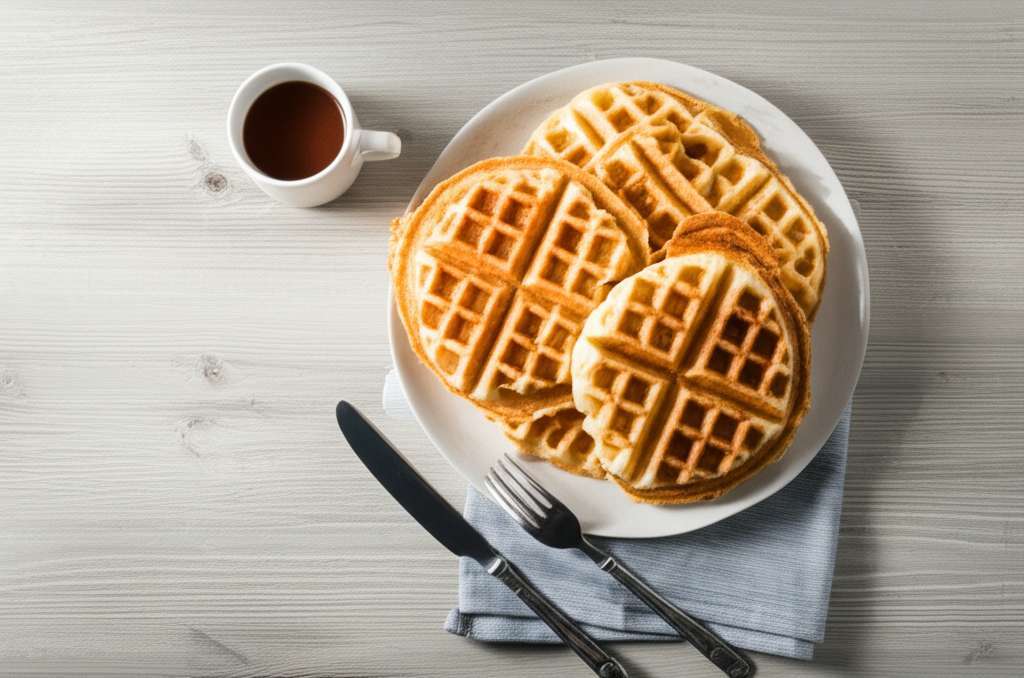
Waffle Recipe vs Pancake Recipe: Amazing Showdown
Waffles and pancakes are breakfast classics, but what’s the real difference? Our guide breaks down waffle recipe vs pancake recipe, highlighting their unique textures, cooking methods, and flavor potential for a perfect breakfast every time. Discover which batter is best for your next meal!
Hey there, kitchen adventurers! I’m Henry, your guide from CookCanvas, and today we’re diving into a question that’s probably crossed your mind more than once: what’s the deal with waffles and pancakes? They both seem like fluffy, delicious morning treats, right? But when you look closer, their recipes and methods are surprisingly different, leading to wonderfully distinct results. Sometimes, the sheer variety of recipes can feel a bit overwhelming, especially when you’re just starting out. That’s perfectly okay! We’re going to demystify the waffle recipe vs pancake recipe showdown, breaking down each one into simple, manageable steps. By the end of this journey, you’ll feel confident knowing exactly how to whip up a perfect batch, no matter which one your heart (or stomach!) desires. Get ready to unlock the secrets to amazing breakfast creations!
Waffle Recipe vs Pancake Recipe: The Core Differences
The heart of the waffle recipe vs pancake recipe debate lies in a few key areas: batter consistency, cooking method, and the resulting texture. While both start with similar basic ingredients like flour, eggs, milk, and leavening agents, the proportions and techniques diverge, creating two distinct breakfast stars. Understanding these fundamental differences will help you choose the right recipe for your desired outcome.
Batter Consistency: The Secret Sauce
One of the most significant distinctions between a waffle recipe and a pancake recipe is the batter’s thickness. This difference directly impacts how the batter behaves when cooked, leading to their unique textures.

Pancake Batter: Light and Flowy
Pancake batter is typically thinner, designed to spread easily on a griddle. This allows it to create those signature flat, round shapes.
Key Characteristics:
More liquid (milk or buttermilk) relative to flour.
Often has a bit more fat (oil or melted butter) mixed in.
Should pour smoothly from a ladle.
Waffle Batter: Thicker and Richer
Waffle batter is usually thicker and richer, often incorporating more eggs and fat. This density is crucial for creating those distinct pockets that hold syrup and butter.
Key Characteristics:
Less liquid, more flour, and often extra eggs or egg yolks.
Can sometimes include melted butter for richness and crispness.
Should be thick enough to hold its shape briefly before spreading slightly.
Cooking Method: The Griddle vs. The Iron
The tools we use and how we use them play a massive role in the waffle recipe vs pancake recipe outcome. Pancakes are cooked on a flat surface, while waffles are cooked in a patterned iron.
Pancakes: The Griddle Game
Pancakes are cooked on a hot, flat griddle or frying pan. The heat is applied evenly to both sides as they cook, resulting in a soft, evenly browned surface.
Process:
Pour batter onto a preheated, greased griddle.
Cook until bubbles form on the surface, then flip.
Cook the second side until golden brown.
Waffles: The Iron’s Embrace
Waffles are cooked in a specialized waffle iron. This appliance has two patterned plates that press down on the batter, cooking both sides simultaneously and imprinting the iconic grid pattern.
Process:
Preheat the waffle iron and lightly grease it.
Pour batter into the center of the bottom plate.
Close the lid and cook until steaming stops and the waffle is golden brown and crisp.
Texture and Flavor Profile: Crispy Pockets vs. Fluffy Clouds
The culmination of batter consistency and cooking method results in vastly different textures. This is where you truly taste the difference in a waffle recipe vs pancake recipe.
Pancakes: Soft and Fluffy
Pancakes are known for their tender, cake-like interior and a slightly browned, soft exterior. They are wonderfully absorbent, making them perfect for soaking up toppings.
Texture: Soft, spongy, and slightly chewy.
Flavor: Mildly sweet, with a pleasant bready note.
Waffles: Crispy Exterior, Tender Interior
Waffles boast a delightful contrast: a crisp, golden-brown exterior with a light, airy interior. The deep pockets are designed to capture generous amounts of syrup and butter, making each bite a delightful burst of flavor.
Texture: Crispy, golden, and slightly chewy on the inside.
Flavor: Richer, often with a more pronounced sweetness and a hint of buttery crispness.
The Classic Pancake Recipe: Simple & Satisfying
Let’s dive into a straightforward pancake recipe. This is a fantastic starting point for anyone new to making breakfast from scratch. It’s forgiving, uses common ingredients, and delivers consistently delicious results.
Ingredients for Classic Pancakes
Gathering your ingredients is the first exciting step! For a batch of about 8-10 medium pancakes, you’ll need these pantry staples:
1 ½ cups all-purpose flour
3 ½ teaspoons baking powder
1 teaspoon salt
1 tablespoon white sugar
1 ¼ cups milk
1 egg
3 tablespoons butter, melted
Tools You’ll Need for Pancakes
You don’t need fancy gadgets to make great pancakes. These everyday kitchen tools will do the trick:
Large mixing bowl
Whisk or fork
Measuring cups and spoons
Ladle or ¼ cup measuring cup
Griddle or large frying pan
Spatula
Step-by-Step Pancake Perfection
Making pancakes is a joyful, simple process. Follow these steps for fluffy, golden discs of happiness:
1. Dry Ingredients: In your large mixing bowl, whisk together the flour, baking powder, salt, and sugar. This ensures all the dry ingredients are evenly distributed, which helps your pancakes rise evenly.
2. Wet Ingredients: In a separate, smaller bowl or large measuring cup, whisk together the milk, egg, and melted butter. Make sure the butter isn’t too hot, or it might scramble the egg.
3. Combine: Pour the wet ingredients into the dry ingredients. Whisk gently until just combined. A few lumps are perfectly fine – overmixing can make pancakes tough!
4. Heat the Griddle: Place your griddle or frying pan over medium heat. Add a small amount of butter or oil. You know it’s ready when a drop of water sizzles and evaporates quickly.
5. Cook the Pancakes: Pour about ¼ cup of batter onto the hot griddle for each pancake. Cook for 2-3 minutes, or until bubbles start to form on the surface and the edges look set.
6. Flip and Finish: Gently slide your spatula underneath the pancake and flip it. Cook for another 1-2 minutes on the other side, until golden brown and cooked through.
7. Serve Warm: Remove pancakes from the griddle and serve immediately with your favorite toppings. Repeat with the remaining batter, adding a little more butter or oil to the griddle as needed.
The Delectable Waffle Recipe: Crispy & Golden
Now, let’s explore the waffle side of our showdown. Waffles, with their distinct texture, require a slightly different approach to batter and cooking, but the reward is a wonderfully crisp treat.
Ingredients for Delectable Waffles
For a batch of about 4-6 standard waffles, you’ll want to have these ingredients ready:
2 cups all-purpose flour
2 teaspoons baking powder
1 teaspoon salt
2 tablespoons white sugar
2 eggs, separated
1 ½ cups milk
½ cup butter, melted and slightly cooled
Tools You’ll Need for Waffles
Waffles have a special tool that makes them unique. Ensure you have this on hand:
Large mixing bowl
Medium mixing bowl
Whisk or electric mixer
Measuring cups and spoons
Waffle iron
Pastry brush (for greasing, optional)
Step-by-Step Waffle Wonder
Creating perfect waffles involves a few extra steps, especially with separating the eggs, but it’s well worth it for that delightful crispness.
1. Dry Ingredients: In your large mixing bowl, whisk together the flour, baking powder, salt, and sugar. This ensures even distribution of leavening and flavor.
2. Egg Yolks: In the medium bowl, whisk the egg yolks until they are light and slightly creamy. This will add richness and structure to your waffles.
3. Wet Ingredients: To the egg yolks, add the milk and melted butter. Whisk until well combined.
4. Combine Wet and Dry: Pour the wet mixture into the bowl with the dry ingredients. Stir gently until just combined. Again, a few lumps are perfectly okay; we want to avoid overmixing.
5. Whip Egg Whites: In a separate, clean bowl, beat the egg whites until stiff peaks form. This can be done with a whisk or an electric mixer. Stiff peaks mean that when you lift the whisk, the egg white stands straight up without drooping.
6. Fold in Egg Whites: Gently fold the whipped egg whites into the batter. This step is key to making your waffles light and airy. Use a spatula and fold them in carefully to keep as much air in the batter as possible.
7. Preheat Waffle Iron: Preheat your waffle iron according to the manufacturer’s instructions. Lightly grease the plates with butter or cooking spray, even if they are non-stick, to ensure easy release.
8. Cook the Waffles: Pour the batter onto the hot waffle iron, usually filling the bottom plate about two-thirds to three-quarters full. Close the lid and cook for about 3-5 minutes, or until the waffle is golden brown and crisp, and steam has stopped escaping from the iron. Cooking times vary by iron, so check your manual.
9. Serve Immediately: Carefully remove the waffle from the iron and serve it hot. Repeat with the remaining batter, greasing the iron between waffles as needed.
Waffle Recipe vs Pancake Recipe: A Comparative Table
To really see the differences laid out clearly, let’s compare the two side-by-side. This table highlights the key distinctions in their recipes and what you can expect from each.
| Feature | Pancake Recipe | Waffle Recipe |
|---|---|---|
| Batter Consistency | Thinner, pourable | Thicker, richer, often with whipped egg whites |
| Fat Content | Moderate (in batter) | Higher (in batter, often butter) |
| Eggs | Typically 1 whole egg | Often 2 eggs, separated; whites whipped for lightness |
| Leavening | Baking powder, sometimes baking soda | Baking powder, sometimes baking soda |
| Cooking Method | Griddle/Frying Pan (flat surface) | Waffle Iron (patterned, closed) |
| Resulting Texture | Soft, fluffy, cake-like | Crispy exterior, tender interior, defined pockets |
| Syrup/Butter Holding | Good absorption | Excellent retention in pockets |
| Prep Time (active) | Slightly quicker | Slightly longer due to egg white separation |
Tips for Success: Mastering Both Recipes
Whether you’re leaning towards a fluffy pancake or a crispy waffle, a few universal tips can elevate your breakfast game. These are the little things that make a big difference in texture and flavor.
For Perfect Pancakes:
Don’t Overmix: This is the golden rule! Overmixing develops gluten, leading to tough, rubbery pancakes. Mix until just combined, and don’t worry about a few lumps.
Rest the Batter: Letting the batter sit for 5-10 minutes allows the gluten to relax and the flour to hydrate, resulting in a more tender pancake.
Medium Heat is Key: Too high, and the outside burns before the inside cooks. Too low, and they won’t get that lovely golden color.
Flip Once: Resist the urge to poke and prod. Wait for those bubbles to appear and the edges to look set before flipping.
For Supreme Waffles:
Whip Those Whites: Don’t skip whipping the egg whites if your recipe calls for it. This is the secret to a light and airy waffle texture.
Don’t Overfill the Iron: Too much batter will spill out and make a mess, and it can also prevent the waffle from cooking evenly.
Let it Cook: Be patient! Cook until the steam from the waffle iron has significantly decreased. This indicates the waffle is done and has reached peak crispiness.
Serve Immediately: Waffles are best enjoyed fresh off the iron when they are at their crispiest.
Ingredient Variations & Substitutions
Sometimes, you might not have exactly what a recipe calls for, or you might want to get a little creative! Here are some common substitutions and additions for both waffle and pancake recipes.
Common Substitutions:
Milk: Buttermilk is a fantastic substitute for milk in both recipes, adding a tangy flavor and extra tenderness. You can also use non-dairy milks like almond, soy, or oat milk.
Flour: While all-purpose flour is standard, you can experiment with whole wheat flour (use about 75% whole wheat and 25% all-purpose for a good balance) or gluten-free flour blends.
Sugar: Brown sugar can be used instead of white sugar for a slightly deeper, caramel-like flavor. Honey or maple syrup can also be used, but adjust liquid content slightly as they are wet ingredients.
Fat: Vegetable oil, canola oil, or melted coconut oil can be used interchangeably with butter.
Flavor Boosters:
For Pancakes: Add a teaspoon of vanilla extract to the wet ingredients. A pinch of cinnamon or nutmeg can also add warmth.
For Waffles: A touch of vanilla extract or almond extract enhances the flavor. Some recipes even include a bit of lemon zest for brightness.
* Mix-ins: For both, consider adding fresh berries, chocolate chips, or even a handful of chopped nuts to the batter just before cooking. Be careful not to add too many, as it can affect cooking time and texture.
Food Safety Considerations
When cooking breakfast favorites like waffles and pancakes, it’s important to keep a few food safety basics in mind. Proper handling of ingredients and cooking temperatures ensures a delicious and safe meal.
Egg Safety:
When using eggs, always check for freshness. According to the USDA, eggs can be safely consumed if refrigerated and used within their expiration date. If you’re concerned about raw eggs, pasteurized eggs are an option, especially for recipes where eggs are not fully cooked. You can find more information on egg safety from the USDA Food Safety and Inspection Service.
Cooking Temperatures:
Ensure your griddle or waffle iron is hot enough to cook the batter through. For pancakes and waffles, aiming for an internal temperature of 160°F (71°C) ensures they are safely cooked. A quick check with an instant-read thermometer can confirm this, though most home cooks rely on visual cues like golden browning and firm texture.
Cross-Contamination:**
Always wash your hands with soap and water before and after handling raw ingredients like eggs. Use clean utensils and cooking surfaces to prevent the spread of bacteria.
Frequently Asked Questions (FAQs)
We’ve covered a lot, but you might still have a few lingering questions. Here are some common queries about waffle and pancake recipes to help you feel even more confident in the kitchen.
Q1: Can I make waffle batter and pancake batter ahead of time?
Yes, you can often make both batters a few hours ahead of time and store them in the refrigerator. However, for best results, especially with waffles where whipped egg whites are involved, it’s ideal to make them closer to cooking time. Pancake batter can typically be stored for up to 24 hours, though it might become a bit thicker. You may need to add a splash of milk to thin it out before cooking. Waffle batter with whipped egg whites is best used within an hour or two of mixing.
Q2: Why are my pancakes/waffles flat and dense?
This is usually due to overmixing the batter, which develops the gluten in the flour too much, or using old leavening agents. Ensure your baking powder and baking soda are fresh. You can test baking powder by putting a teaspoon in hot water; it should bubble vigorously. For waffles, not whipping the egg whites stiffly enough (if the recipe calls for it) will also lead to a denser result.
Q3: How do I get my waffles crispy on the outside and fluffy on the inside?
The key to crispy waffles is a combination of a thicker batter, adequate fat, and proper cooking. Ensure your waffle iron is thoroughly preheated and greased. Don’t overfill the iron, and let it cook until the steam subsides. The separated and whipped egg whites in the batter also contribute significantly to a lighter interior. Some people find that a slightly higher sugar content in the batter helps with crisping.
Q4: Can I freeze leftover pancakes or waffles?
Absolutely! Both pancakes and waffles freeze exceptionally well. Once completely cooled, lay them flat on a baking sheet lined with parchment paper and freeze until solid. Then, transfer them to a freezer-safe bag or container. Reheat them in a toaster, toaster oven, or a warm oven until crisp and heated through.
Q5: What’s the best way to keep pancakes and waffles warm while I cook the rest?
You can keep them warm in a single layer on a baking sheet in a low oven (around 200°F or 95°C). Avoid stacking them too high, as this can make them steam and lose their crispness, especially for waffles. A warming tray or a clean kitchen towel placed over them can also work for short periods.
Q6: Can I make vegan pancakes or waffles?
Yes! For vegan pancakes, substitute the milk with a plant-based alternative and use an egg replacer (like mashed banana, applesauce, or a commercial egg substitute) or simply omit the egg and add a little extra leavening. For vegan waffles, the process is similar, but you might need to adjust the batter consistency slightly. Ensure you also use a vegan fat like oil or vegan butter.
Conclusion: Your Perfect Breakfast Awaits!
So, there you have it – the amazing showdown between waffle recipe vs pancake recipe! We’ve explored how subtle differences in batter consistency, ingredients, and cooking methods create two beloved breakfast icons, each with its own unique charm. Whether you crave the cloud-like softness of a pancake or the satisfying crispness of a waffle, you now have the knowledge and confidence to create them in your own kitchen.
Remember, cooking is an adventure, and every batch is a chance to learn and enjoy. Don’t be afraid to experiment with the flavor variations we discussed or try out the tips to perfect your technique. The most important ingredient is the joy you bring to your cooking. So grab your apron, gather your ingredients, and get ready to make some delicious memories. Your perfect breakfast is just a whisk away! Happy cooking from CookCanvas!