
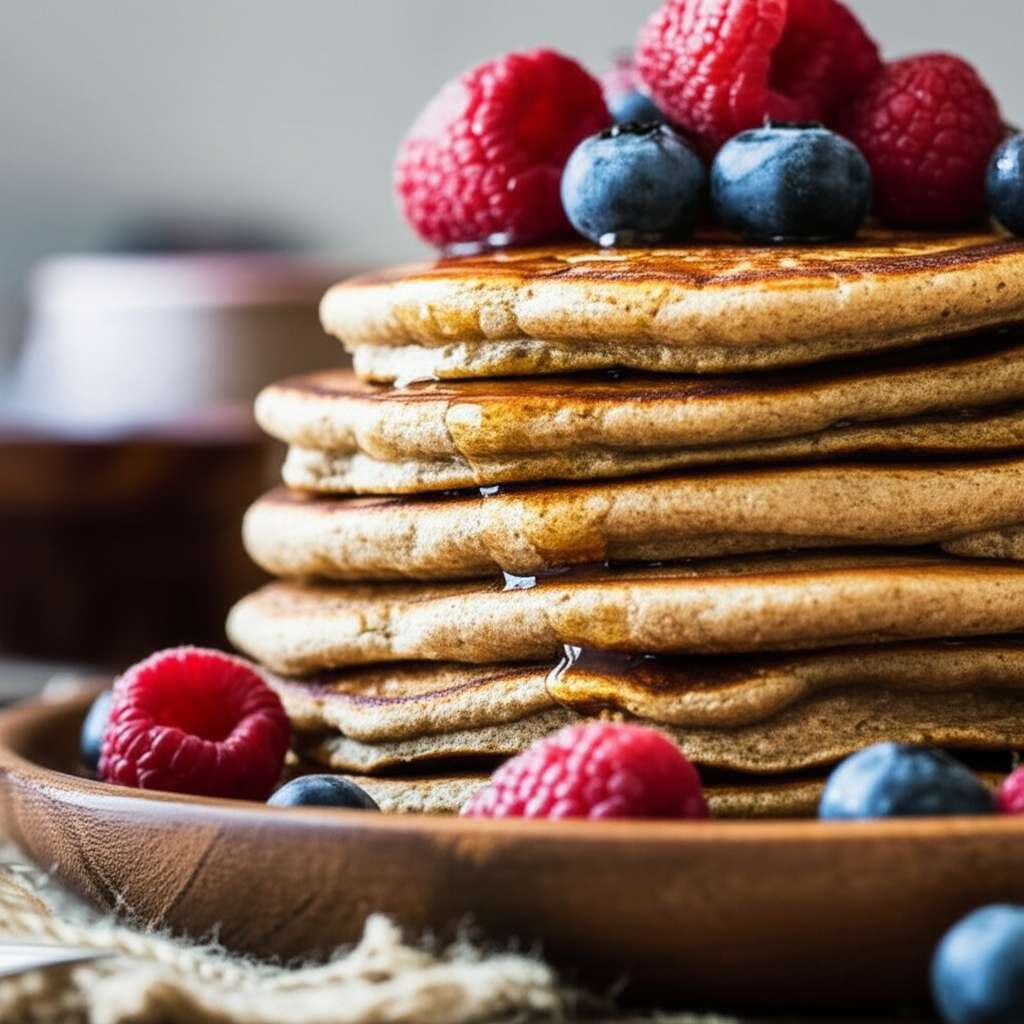
Whole wheat pancake recipe vegan: Amazing, easy vegan whole wheat pancakes are simple to make at home! This recipe uses basic pantry staples for fluffy, delicious, and healthier pancakes perfect for any meal.
Do you ever crave pancakes but want a healthier option that’s also kind to the planet? Making delicious vegan whole wheat pancakes at home can feel a little daunting at first. Many recipes seem complicated or call for hard-to-find ingredients.
But don’t worry! Cooking should be fun and rewarding, not stressful. We’re going to walk through a super simple vegan whole wheat pancake recipe that anyone can master.
This recipe is designed for ease and deliciousness. Get ready to impress yourself and anyone you share them with!
Why Choose Vegan Whole Wheat Pancakes?
There are so many wonderful reasons to give vegan whole wheat pancakes a try. They’re a fantastic way to enjoy a classic breakfast treat while boosting your nutrient intake and keeping things plant-based.
Healthier Than Traditional Pancakes
Whole wheat flour is a fantastic source of fiber, vitamins, and minerals compared to refined white flour. This means your pancakes will be more filling and better for your digestion.
Choosing vegan options also means no eggs or dairy, which can be a concern for many people due to allergies, dietary choices, or environmental reasons. This recipe proves you don’t need those ingredients for amazing flavor and texture!
Dietary Inclusivity
Whether you’re strictly vegan, lactose intolerant, or just looking to reduce your dairy and egg consumption, this recipe is a winner. It makes homemade pancakes accessible and enjoyable for everyone at the table.
Plus, it’s incredibly satisfying to create a meal that caters to different needs and preferences with one simple recipe. It’s all about sharing good food!
Ingredients You’ll Need
Let’s gather everything for our amazing vegan whole wheat pancakes. You’ll likely find most of these already in your pantry, which is part of what makes this recipe so beginner-friendly!
Dry Ingredients
These are the foundation of our fluffy pancakes. Measuring them accurately will help ensure the best texture.
- 1 ½ cups whole wheat flour
- 2 tablespoons granulated sugar (or your preferred sweetener)
- 2 teaspoons baking powder (this is key for fluffiness!)
- ½ teaspoon baking soda
- ¼ teaspoon salt
Wet Ingredients
These ingredients bring everything together and add moisture.
- 1 ½ cups unsweetened plant-based milk (almond, soy, or oat milk work great)
- 1 tablespoon apple cider vinegar (or white vinegar)
- 2 tablespoons vegetable oil (or melted coconut oil)
- 1 teaspoon vanilla extract (optional, but lovely!)
Essential Kitchen Tools
Having the right tools makes any recipe easier. For these pancakes, you won’t need anything fancy!
- Large mixing bowl
- Whisk
- Measuring cups and spoons
- Spatula
- Griddle or non-stick frying pan
- Ladle or large spoon for pouring batter
Step-by-Step Guide to Perfect Pancakes
Ready to get started? Follow these simple steps, and you’ll be enjoying warm, fluffy pancakes in no time. Remember, cooking is a journey, and each step gets you closer to a delicious outcome!
Step 1: Prepare Your “Buttermilk”
This is a simple trick to activate the baking soda and give your pancakes a lift, just like traditional buttermilk would. In your large mixing bowl, combine the plant-based milk and apple cider vinegar.
Give it a gentle stir and let it sit for about 5-10 minutes. You’ll notice it starts to curdle slightly – that’s exactly what we want!
Step 2: Combine Dry Ingredients
While the plant-based milk mixture is doing its magic, it’s time to combine the dry ingredients. Make sure your large mixing bowl is clean and dry. Add the whole wheat flour, sugar, baking powder, baking soda, and salt.
Whisk these dry ingredients together thoroughly. This ensures that the leavening agents (baking powder and soda) are evenly distributed, which is crucial for consistent, fluffy pancakes.
Step 3: Combine Wet and Dry Ingredients
Now, pour the curdled plant-based milk mixture (your vegan “buttermilk”) into the bowl with the dry ingredients. Add the vegetable oil and vanilla extract (if using).
Using your whisk, gently mix everything together until just combined. It’s important not to overmix! A few lumps in the batter are perfectly fine. Overmixing can develop the gluten in the flour too much, leading to tough pancakes.
Step 4: Heat Your Griddle or Pan
Place your griddle or non-stick frying pan over medium heat. A good way to test if it’s ready is to sprinkle a tiny drop of water on it. If it sizzles and evaporates quickly, your pan is at the right temperature.
Lightly grease the pan with a bit of oil or cooking spray. You don’t need much – just enough to prevent sticking.
Step 5: Cook the Pancakes
Once the pan is heated and greased, use a ladle or a large spoon to pour about ¼ cup of batter for each pancake onto the hot surface. Don’t overcrowd the pan; cook in batches.
You’ll know it’s time to flip when you see small bubbles forming on the surface of the pancake and the edges look set. This usually takes about 2-3 minutes.
Step 6: Flip and Finish
Carefully slide your spatula under a pancake and flip it over. Cook for another 1-2 minutes on the other side, until golden brown and cooked through.
Remove the cooked pancake from the pan and place it on a plate. You can keep your finished pancakes warm in a low oven (around 200°F or 90°C) while you cook the rest of the batter.
Tips for Amazing Vegan Whole Wheat Pancakes
Even simple recipes can be elevated with a few pro tips. These will help you achieve consistently delicious results every time.
Don’t Overmix the Batter
As mentioned, this is crucial! Lumps are friendly here. Overmixing leads to tough, flat pancakes. Just stir until dry ingredients are moistened.
Rest Your Batter (Optional but Recommended)
Letting the batter rest for 5-10 minutes after mixing allows the flour to hydrate and the baking powder to start working. This can lead to even fluffier pancakes.
Get Your Pan Temperature Right
Too hot, and the outside will burn before the inside cooks. Too cool, and they’ll be pale and greasy. Medium heat is your friend!
Adjust Sweetness and Flavor
Feel free to adjust the sugar to your liking. You can also add a pinch of cinnamon or nutmeg to the dry ingredients for extra flavor!
Serving Suggestions
The best part of making pancakes is the topping! Here are some ideas to make your vegan whole wheat pancakes even more delightful.
Classic Toppings
Maple syrup is a non-negotiable for many, and it’s wonderfully vegan! Fresh berries, sliced bananas, or a dollop of vegan whipped cream are also fantastic.
Nutty & Fruity Additions
Try a sprinkle of chopped walnuts or pecans for a delightful crunch. A swirl of almond butter or peanut butter can add a rich, satisfying flavor.
Savory Twists
Believe it or not, pancakes can be savory too! Try serving them with avocado, a sprinkle of red pepper flakes, or even alongside some vegan sausage for a heartier meal.
Nutritional Comparison: Whole Wheat vs. White Flour Pancakes
Understanding the “why” behind ingredients makes cooking more satisfying. Here’s a look at how whole wheat flour stacks up.
| Nutrient | Whole Wheat Flour (per cup) | Enriched White Flour (per cup) |
|—————–|—————————–|——————————–|
| Calories | ~400 | ~455 |
| Fiber | ~7-8g | ~3g |
| Protein | ~14g | ~10g |
| Iron | ~3.5mg (19% DV) | ~4.7mg (26% DV) |
| Magnesium | ~160mg (40% DV) | ~23mg (6% DV) |
| Manganese | ~3.6mg (180% DV) | ~0.7mg (35% DV) |
Note: Values are approximate and can vary by brand. Enriched white flour can have higher iron and B vitamin content due to fortification. However, whole wheat flour offers a broader spectrum of naturally occurring nutrients and significantly more fiber.
Understanding Leavening Agents: Baking Powder vs. Baking Soda
Ever wondered what makes pancakes fluffy? It’s all about leavening agents!
Baking Soda
Baking soda is a base. It needs an acidic ingredient to react with and produce carbon dioxide gas, which creates bubbles and makes things rise. In this recipe, the apple cider vinegar helps activate it.
“Baking soda provides lift. It requires an acidic ingredient, like buttermilk, yogurt, lemon juice, or vinegar, to react and release carbon dioxide gas, which causes the batter to rise.”
Baking Powder
Baking powder is like a complete package. It contains both an acid and a base, so it will create bubbles when mixed with liquid, and then again when heated in the oven. It’s double-acting and provides extra lift overall.
Using both baking powder and baking soda in this recipe ensures a good rise and a tender crumb in your vegan whole wheat pancakes.
Troubleshooting Common Pancake Problems
Even the best home cooks have days where things don’t go as planned. Here are some common issues and how to fix them.
Pancakes are Flat and Dense
This usually means one of two things: your leavening agents (baking powder/soda) are old and have lost their power, or you overmixed the batter. Try using fresh leaveners and mixing gently next time!
Pancakes Sticking to the Pan
Ensure your pan is properly preheated to medium heat. Also, make sure you’ve used enough (but not too much) oil or cooking spray to grease the pan. Non-stick pans work best!
Pancakes Burning on the Outside, Raw Inside
Your heat is likely too high. Turn down the stove to medium-low. It takes longer for the heat to penetrate the pancake this way, ensuring it cooks through evenly without burning.
Pancakes are Rubbery
This is a classic sign of overmixing the batter, which develops the gluten in the flour. Mix only until the ingredients are just combined, and don’t worry about a lumpy batter.
Frequently Asked Questions (FAQ)
Here are answers to some common questions beginners might have about making vegan whole wheat pancakes.
Q1: Can I use a different type of flour?
Yes, you can experiment! For a lighter texture, you could try a blend of half whole wheat and half all-purpose flour. Or, for a gluten-free option, you’d need a dedicated gluten-free flour blend designed for baking, as whole wheat flour contains gluten.
Q2: How long does the batter last?
Ideally, you should cook the batter soon after mixing for the best results, as the leavening agents start working immediately. If needed, you can store it in the refrigerator for up to 24 hours, but you might need to add a little more baking powder and give it a good whisk before cooking.
Q3: My pancakes are too dry. What should I do?
If your whole wheat flour is particularly absorbent or your batter seems too thick, you can add a little more plant-based milk, a tablespoon at a time, until it reaches your desired consistency. Aim for a thick but pourable batter.
Q4: Can I make these gluten-free? Vegan whole wheat pancake recipes are not gluten-free inherently.
No, whole wheat flour naturally contains gluten. To make gluten-free vegan pancakes, you would need to use a gluten-free flour blend instead of whole wheat flour. The other ingredients and steps would remain largely the same.
Q5: What if I don’t have apple cider vinegar?
No problem! White vinegar or even lemon juice can be substituted for apple cider vinegar. The goal is to add an acidic component to react with baking soda and help the pancakes rise.
Q6: How do I get my pancakes perfectly round?
Using a ladle to pour a consistent amount of batter into the center of the pan and allowing it to spread naturally is the easiest way to get round pancakes. Avoid spreading the batter too much with your spoon; let gravity do the work!
Conclusion: Enjoy Your Delicious, Healthy Pancakes!
See? Making fantastic vegan whole wheat pancakes is totally achievable and incredibly rewarding! You’ve just learned how to transform simple ingredients into a wholesome, delicious meal.
This recipe is proof that healthy eating can be easy and satisfying. It’s a wonderful starting point for exploring more plant-based cooking. Don’t be afraid to experiment with toppings or even add a pinch of spice to your batter next time.
So go ahead, gather your ingredients, and whip up a batch. You’ve got this! Enjoy that wonderful feeling of accomplishment and the even better taste of homemade pancakes. Happy cooking!