

Winco Bulk Pancake Mix Recipe: Amazing Results
Making fluffy, delicious pancakes from Winco bulk pancake mix is incredibly simple! With just a few common pantry staples and a straightforward process, you can achieve amazing, restaurant-quality results at home, perfect for any breakfast or brunch.
Ever stare at a big bag of bulk pancake mix and wonder how to turn it into the perfect breakfast? It’s a common kitchen puzzle! Many home cooks worry about getting the texture just right – too thin and they’re flat, too thick and they’re doughy. But don’t worry, this guide is here to make it super easy. We’ll walk through each step, making sure your pancakes are light, golden, and utterly delicious every single time. Get ready to impress yourself and your family with incredible homemade pancakes!
At CookCanvas, my mission is to make cooking feel less like a chore and more like a creative adventure. I believe that with the right guidance, anyone can whip up delicious meals. This bulk pancake mix recipe is a perfect example – it’s designed for simplicity and fantastic flavor, proving that great food doesn’t have to be complicated. Let’s dive into how to get the most out of your Winco bulk pancake mix!
What You’ll Need: Your Simple Ingredient List
The beauty of using a good quality bulk mix like Winco’s is that it already has most of the dry ingredients perfectly blended. This means fewer items to measure and less chance of error. You’ll primarily need a few wet ingredients to bring it all to life.
Here’s what you’ll want to gather:
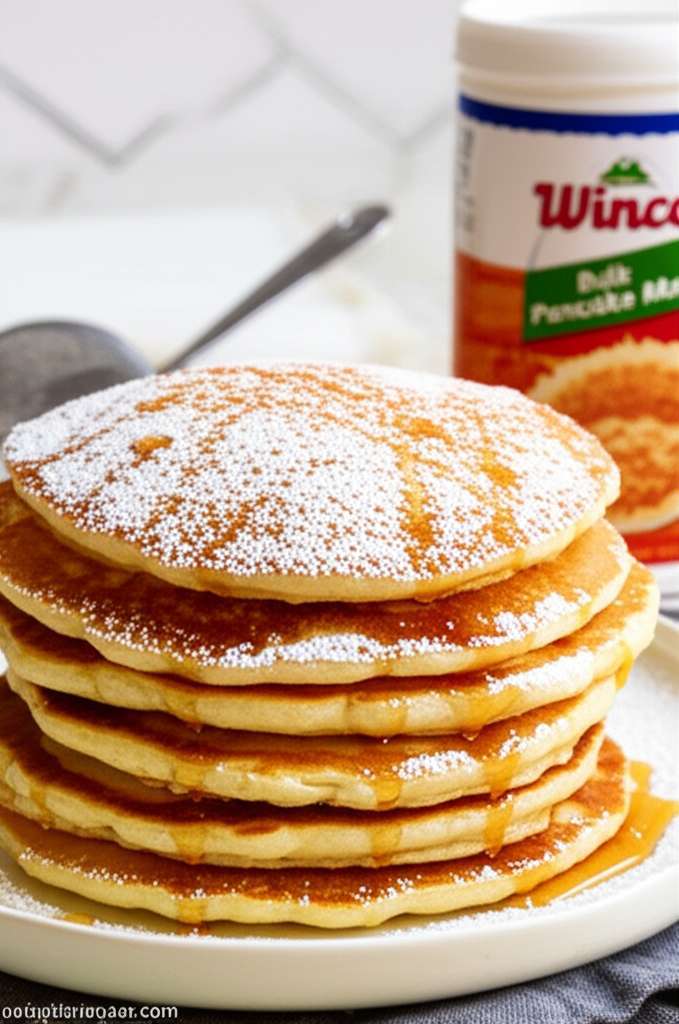
- Winco Bulk Pancake Mix
- Water (or milk for richer pancakes)
- Eggs
- Vegetable oil (or melted butter for extra flavor)
Having these on hand ensures you’re ready to go the moment pancake cravings strike. It’s always a good idea to keep these staples stocked!
Essential Tools for Perfect Pancakes
You don’t need fancy gadgets to make great pancakes. A few basic kitchen tools will do the trick and ensure a smooth cooking process. Having these ready before you start mixing will make the whole experience much more enjoyable and less rushed.
Here are the tools that will help you:
- Large mixing bowl
- Whisk (or a fork if you don’t have one)
- Measuring cups and spoons
- Spatula (preferably a thin, flexible one for flipping)
- Griddle or non-stick frying pan
- Ladle or 1/4 cup measuring cup for pouring batter
- Plate or wire rack for keeping cooked pancakes warm
These are everyday items that most kitchens already have. If any are missing, they are great additions for any home cook!
Step-by-Step: Crafting Your Amazing Pancakes
Now for the fun part – turning that mix into fluffy pancakes! We’ll go through this methodically, so you can see exactly how each step contributes to the final delicious result. Remember, the goal is to mix just enough, not too much, to keep those pancakes light and airy.
Step 1: Measure Your Mix
Start by measuring out the amount of Winco Bulk Pancake Mix you want to use. The packaging usually has a guide for how much mix to use per batch, but a common starting point is about 2 cups of mix. This is enough for a family of four or a generous breakfast for two.
Measure the mix into your large mixing bowl. Using a dry measuring cup and leveling it off with a straight edge (like the back of a knife) ensures you have the right amount.
Step 2: Add the Wet Ingredients
Next, add your wet ingredients to the bowl with the pancake mix. For every 2 cups of mix, you’ll typically need about 1 cup of liquid, 1 egg, and 2 tablespoons of oil or melted butter. If you’re using milk instead of water, your pancakes will be a bit richer and more tender.
Pour in your water or milk, crack in the egg, and add the oil or melted butter. Don’t stir yet; just add them all in together. This makes the mixing process more efficient.
Step 3: Mix Gently to Combine
This is a crucial step for fluffy pancakes! Use your whisk or fork to gently stir the ingredients together. Mix only until the dry ingredients are moistened. It’s perfectly okay, and even desirable, to have a few small lumps in the batter. Overmixing develops the gluten in the flour, which can lead to tough, flat pancakes.
Think of it as folding the ingredients together rather than vigorously beating them. Stop mixing as soon as you don’t see large pockets of dry flour. A few lumps are your friends!
Step 4: Heat Your Griddle or Pan
While your batter rests for a minute or two (this is optional but can help), preheat your griddle or non-stick frying pan over medium heat. A good way to test if it’s ready is to flick a few drops of water onto the surface; they should sizzle and evaporate quickly.
If you’re using oil or butter to grease the pan, add just a little bit now. You want a lightly coated surface, not a swimming pool of grease, as this can make the pancakes cook unevenly.
Step 5: Pour the Batter
Once your griddle is hot and lightly greased, it’s time to pour the batter. Use a ladle or a 1/4 cup measuring cup to pour portions of batter onto the hot surface. Leave some space between each pancake so they don’t run into each other and are easy to flip.
Aim for pancakes that are roughly the same size. This helps them cook at a similar rate. You can make them as big or as small as you like!
Step 6: Cook the First Side
Let the pancakes cook undisturbed for about 2-3 minutes on the first side. You’ll know they’re ready to flip when you start seeing small bubbles forming on the surface of the batter and the edges look set.
This is your visual cue that the pancake has cooked enough on the bottom to hold its shape when flipped. Resist the urge to poke or prod them too early!
Step 7: Flip and Cook the Second Side
Slide your spatula underneath the pancake and flip it confidently. Cook the second side for another 1-2 minutes, or until golden brown and cooked through. The second side usually cooks a bit faster than the first.
To check if they’re done, you can gently press the center of the pancake. It should feel slightly firm, not gooey. Alternatively, you can carefully lift one with your spatula to peek at the underside.
Step 8: Serve and Enjoy!
Transfer the cooked pancakes to a plate. You can keep them warm in a low oven (around 200°F or 93°C) while you cook the rest of the batch. Serve immediately with your favorite toppings like butter, maple syrup, fresh fruit, or whipped cream.
Congratulations, you’ve just made amazing pancakes! Enjoy the fruits of your labor. These are best served hot off the griddle.
Tips for Pancake Perfection
Even with a great mix, a few extra tips can elevate your pancake game. These little tricks are what separate good pancakes from truly memorable ones. They address common issues beginners face and offer simple solutions.
- Don’t Overmix: We’ve said it before, but it’s worth repeating! Lumps are good.
- Rest the Batter (Optional): Letting the batter sit for 5-10 minutes can allow the flour to hydrate fully, leading to a slightly more tender pancake.
- Medium Heat is Key: Too high, and they burn on the outside before cooking inside. Too low, and they become flat and pale.
- Consistent Size: Use a ladle or measuring cup for uniform pancakes that cook evenly.
- Know When to Flip: Watch for those bubbles! It’s the most reliable indicator.
- Keep Them Warm: A low oven prevents them from getting cold while you finish the batch.
These tips are simple but effective. They build confidence by showing you how small adjustments can lead to big improvements.
Troubleshooting Common Pancake Problems
Sometimes, despite our best efforts, things don’t turn out perfectly. It’s all part of the learning process in the kitchen! Here are some common pancake woes and how to fix them.
| Problem | Possible Cause | Solution |
|---|---|---|
| Pancakes are flat and dense | Overmixing the batter; baking powder/soda in mix is old | Mix batter only until just combined. Ensure your pancake mix is fresh. |
| Pancakes burn on the outside, raw inside | Griddle/pan is too hot | Reduce heat to medium. Test with a small drop of batter first. |
| Pancakes stick to the griddle | Pan not hot enough; not enough oil/butter; pan surface is worn | Ensure pan is properly preheated. Use a little more oil/butter. Consider using a good non-stick pan. |
| Pancakes have pale, uneven coloring | Griddle/pan temperature is too low or uneven | Increase heat slightly. Ensure the pan is evenly heated before cooking. |
| Pancakes break when flipping | Flipped too early; batter too thin | Wait for bubbles to appear before flipping. Adjust batter consistency if needed (add a touch more mix if too thin). |
Understanding these issues helps you become a more intuitive cook. Every “mistake” is a lesson learned, bringing you closer to pancake mastery.
Variations and Flavor Boosters
Once you’ve mastered the basic Winco bulk pancake mix recipe, you can have some fun with it! Adding a few extra ingredients can transform your pancakes into something special. These are simple ways to experiment without straying too far from what makes the basic recipe work.
- For Richer Flavor: Substitute milk for water. You can use whole milk for the creamiest result.
- Add-ins: Gently fold in a handful of fresh blueberries, chocolate chips, or chopped nuts into the batter right before cooking.
- Spice it Up: Stir in 1/2 teaspoon of cinnamon or nutmeg per cup of mix for a warm, comforting flavor.
- Citrus Zest: A teaspoon of lemon or orange zest can add a bright, fresh note to your pancakes.
- Vanilla Extract: A splash of vanilla extract (about 1 teaspoon per 2 cups of mix) enhances the overall sweetness and aroma.
These variations are excellent for special occasions or when you want to try something a little different. They are easy to implement and add a personal touch to your pancakes.
The Science Behind Fluffy Pancakes
Have you ever wondered why some pancakes are light and airy while others are dense? It often comes down to a few key ingredients and techniques. Understanding this can help you achieve that perfect texture consistently.
The leavening agents in the pancake mix (usually baking powder and baking soda) are crucial. When they come into contact with liquid and heat, they produce carbon dioxide gas. These gas bubbles get trapped in the batter’s gluten structure, creating lift and making the pancakes fluffy. This is why we avoid overmixing, which can break down these delicate bubbles.
The role of eggs is also important. Egg whites, when whisked, can incorporate air, and the yolks add richness and help bind the ingredients. Fat, like oil or butter, tenderizes the pancakes by coating the flour particles, preventing them from forming too much gluten. For more information on how ingredients interact, resources like the USDA Food Safety website offer great insights into food science and safe cooking practices.
By understanding these basic principles, you can better appreciate why each step in the recipe matters. It’s like unlocking a little secret to deliciousness!
FAQ: Your Pancake Questions Answered
Here are some common questions beginners have about using bulk pancake mix. Getting these answered can boost your confidence and help you avoid common pitfalls.
- Q: Can I make the pancake batter ahead of time?
A: It’s best to make the batter just before you plan to cook. While some recipes benefit from resting, most pancake batters, especially those from a mix, are at their best when fresh. Over-resting can cause the leavening agents to lose their power, resulting in flatter pancakes.
- Q: My pancakes are sticking. What am I doing wrong?
A: This usually happens if the griddle isn’t hot enough, or if you’re not using enough cooking fat (oil or butter). Make sure your pan is preheated to medium heat and that you’ve lightly greased it before adding the batter. A good quality non-stick pan can also make a huge difference.
- Q: How do I get my pancakes golden brown and not pale?
A: The key is consistent medium heat. If your griddle is too cool, the pancakes will cook slowly and turn pale. If it’s too hot, they’ll burn on the outside before cooking through. Experiment with your stove’s settings to find that sweet spot for a nice, even golden color.
- Q: Can I use different liquids besides water or milk?
A: You can experiment! Some people use buttermilk for a tangy flavor, or even fruit juice for a hint of sweetness. However, keep in mind that different liquids might affect the batter’s consistency and the final taste and texture. Water is the most neutral, and milk adds richness.
- Q: How many pancakes does a typical batch make?
A: This depends on the size you make them! Using a 1/4 cup measure for pouring, 2 cups of Winco bulk pancake mix usually yields about 8-10 medium-sized pancakes. Always check the packaging for specific yield recommendations.
- Q: Is it okay to freeze leftover pancake batter?
A: While you can freeze pancake batter, the quality might decrease. The leavening agents can lose potency, and the texture might not be as fluffy when thawed and cooked. It’s generally better to make only what you need or to freeze the cooked pancakes for later.
Having these common questions addressed can empower you to cook with more confidence. Don’t be afraid to try things out and see what works best for you!
Storing and Reheating
Sometimes you make more pancakes than you can eat right away, or you want to have breakfast ready for busy mornings. Knowing how to store and reheat them properly ensures you can still enjoy delicious pancakes later.
To Store: Once cooled completely, store leftover pancakes in an airtight container or a resealable bag in the refrigerator for up to 2-3 days. For longer storage, wrap them tightly in plastic wrap or foil, then place them in a freezer-safe bag and freeze for up to 1-2 months.
To Reheat:
- Microwave: Place a few pancakes on a microwave-safe plate and heat for 20-30 seconds per pancake, or until warmed through. Add a damp paper towel over the pancakes to help keep them moist.
- Toaster/Toaster Oven: Place pancakes in the toaster on a low setting or in a toaster oven at around 350°F (175°C) for a few minutes until heated through and slightly crisped. This method is great for achieving a texture closer to fresh.
- Skillet: Reheat in a lightly greased skillet over medium-low heat for a few minutes per side until warm.
Proper storage and reheating make pancake leftovers just as enjoyable as when they were first made.
Conclusion: Your Pancake Journey Continues
See? Making incredible pancakes from Winco bulk pancake mix is totally achievable, even if you’re new to the kitchen! We’ve covered everything from the simple ingredients and tools you need to the step-by-step process, troubleshooting common issues, and even some fun ways to customize your batter.
Remember, the key is gentle mixing and the right heat. Don’t be afraid to experiment with add-ins or try using milk for an even richer taste. Each batch you make will build your confidence and hone your skills. So, go ahead, gather your ingredients, and whip up a batch of these amazing pancakes. The delicious aroma filling your kitchen and the happy smiles around your table will be your reward. Happy cooking!